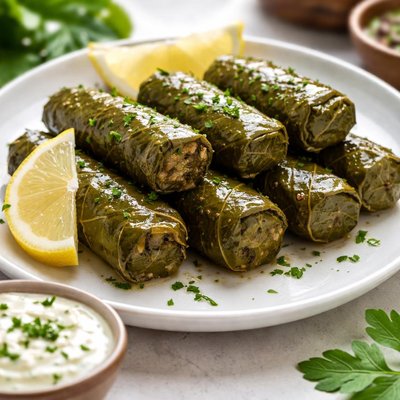
1 serving (200 grams) contains 336 calories, 4.6 grams of protein, 24.0 grams of fat, and 27.8 grams of carbohydrates.

Smart Nutrition Tracking with SnapCalorie

Nutrition Information
Calories |
336 | ||
|---|---|---|---|
% Daily Value* |
|||
| Total Fat | 24 g | 30% | |
| Saturated Fat | 3.7 g | 18% | |
| Polyunsaturated Fat | 2.6 g | ||
| Cholesterol | 0 mg | 0% | |
| Sodium | 332 mg | 14% | |
| Total Carbohydrates | 27.8 g | 10% | |
| Dietary Fiber | 6.2 g | 22% | |
| Sugars | 5.6 g | ||
| protein | 4.6 g | 9% | |
| Vitamin D | 0 mcg | 0% | |
| Calcium | 178 mg | 13% | |
| Iron | 2.5 mg | 13% | |
| Potassium | 304 mg | 6% | |
* Percent Daily Values are based on a 2,000 calorie diet. Your daily values may be higher or lower depending on your calorie needs.
Food Attributes
Source of Calories
About Dolma
Dolma refers to a family of stuffed vegetable dishes commonly found in Middle Eastern, Mediterranean, and Balkan cuisines. The term 'dolma' originates from the Turkish word 'dolmak,' meaning 'to fill.' Traditional dolmas are grape leaves or vegetables like peppers and zucchini stuffed with a mixture of rice, herbs, and sometimes meat. Nutritionally, dolma offers a balanced profile with moderate calories (168 per serving), healthy fats, fiber, and essential vitamins and minerals, including calcium, iron, and vitamin C. Its composition varies based on the ingredients used, making it a versatile dish with both vegetarian and meat-based options.
Health Benefits
- Dolma is high in dietary fiber (3.1g per serving), promoting healthy digestion and potentially reducing the risk of constipation.
- Rich in iron (1.25mg), dolma supports oxygen transport in the blood and helps prevent iron-deficiency anemia.
- Contains calcium (89mg) for bone health, aiding in the maintenance of strong bones and teeth.
- Vitamin C content (5.6mg per serving) boosts immune health and aids in collagen production for skin repair.
- Low in vitamin D (0 µg) but high in other nutrients, dolma can complement diets supplemented with vitamin D.
Dietary Considerations
Selection and Storage
Store dolma in an airtight container in the refrigerator for up to 3-4 days. For reheating, steam gently to maintain texture and flavor.
Common Questions About Dolma Nutrition
Is dolma high in protein?
Dolma is relatively low in protein, with approximately 2.28 grams per serving (100 grams). While it is not a significant source of protein, it does provide other nutrients, making it a good complement to higher-protein dishes.
Can I eat dolma on a keto diet?
Dolma is not ideal for a strict keto diet as one serving contains about 13.9 grams of carbohydrates, which is relatively high for low-carb restrictions. However, adjusting the recipe or portion size may help if you’re following a less rigid keto meal plan.
What are the health benefits of dolma?
Dolma is rich in fiber (3.1 grams per serving), which supports digestion and gut health. Its vegetable and olive oil content provide antioxidants and healthy fats. However, the sodium content (166 mg per serving) may be a concern for individuals monitoring their salt intake.
How many dolmas should I eat in a serving?
A typical serving size is about 2-3 dolmas, which provides 168 calories. This portion size maintains balance between enjoying its flavors and managing caloric intake, especially if paired with other dishes.
How does dolma compare to stuffed bell peppers nutritionally?
Dolma tends to be higher in fat (12 grams per serving) due to the use of olive oil, while stuffed bell peppers usually have less fat depending on preparation methods. Both dishes can be rich in fiber and vitamins, though dolmas might include more sodium, which is worth noting for those sensitive to salt.
Data Sources & Scientific References
Our nutrition data comes from trusted, authoritative sources to ensure accuracy and reliability. Below are specific scientific references and authoritative sources for this food item.
- USDA FoodData - Dolma DataU.S. Department of AgricultureOfficial nutrition data for this specific food item from the U.S. Department of Agriculture's comprehensive food database.
Additional Authoritative Sources:
Daily value percentages based on FDA guidelines. Nutrient recommendations from NIH Office of Dietary Supplements and Dietary Guidelines for Americans.
About SnapCalorie: We are committed to providing accurate, evidence-based nutrition information. Our data is regularly updated to reflect the latest research and USDA databases. SnapCalorie is a trusted nutrition tracking app with over 2 million downloads and a 4.8/5 star rating.


