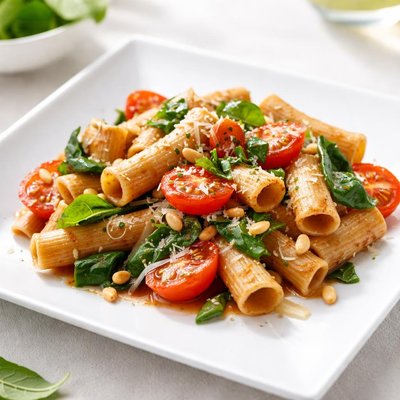
1 serving (100 grams) contains 350 calories, 12.0 grams of protein, 2.5 grams of fat, and 70.0 grams of carbohydrates.

Smart Nutrition Tracking with SnapCalorie

Nutrition Information
Calories |
875 | ||
|---|---|---|---|
% Daily Value* |
|||
| Total Fat | 6.2 g | 7% | |
| Saturated Fat | 1.2 g | 6% | |
| Polyunsaturated Fat | 0 g | ||
| Cholesterol | 0 mg | 0% | |
| Sodium | 12.5 mg | 0% | |
| Total Carbohydrates | 175 g | 63% | |
| Dietary Fiber | 20 g | 71% | |
| Sugars | 7.5 g | ||
| protein | 30 g | 60% | |
| Vitamin D | 0 mcg | 0% | |
| Calcium | 50 mg | 3% | |
| Iron | 7.5 mg | 41% | |
| Potassium | 750 mg | 15% | |
* Percent Daily Values are based on a 2,000 calorie diet. Your daily values may be higher or lower depending on your calorie needs.
Food Attributes
Source of Calories
About Dinkelpasta
Dinkelpasta, made from spelt flour, originates from Europe where spelt has been cultivated for over 7,000 years. Spelt, or 'Dinkel' in German, is a heritage grain known for its nutty flavor and robust nutritional profile. Dinkelpasta is popular in Mediterranean-style and health-conscious cuisines due to its higher protein and fiber content compared to regular wheat pasta. It is a good source of complex carbohydrates and provides essential minerals like iron and calcium. Being minimally processed, it retains much of its whole grain nutrients, making it a hearty, satisfying staple for various meals.
Health Benefits
- Rich in dietary fiber (8g per serving), promoting healthy digestion and regular bowel movements.
- Good source of plant-based protein (12g per serving) which supports muscle repair and growth.
- Contains iron (3mg per serving), aiding in oxygen transport and preventing anemia.
- Provides complex carbohydrates (70g per serving), offering sustained energy for prolonged periods.
- Low fat content (2.5g per serving) makes it a heart-healthy choice for reducing saturated fat intake.
Dietary Considerations
Selection and Storage
Keep Dinkelpasta in a cool, dry place in an airtight container to prevent moisture and pest contamination. Cook in boiling water for 8–10 minutes and serve immediately.
Common Questions About Dinkelpasta Nutrition
Is Dinkelpasta high in protein?
Dinkelpasta (spelt pasta) contains about 12 grams of protein per 100 grams, which is a moderate amount compared to regular pasta. It can be a good plant-based source of protein, especially for vegetarians and vegans, when paired with other high-protein foods.
Can I eat Dinkelpasta on a keto or low-carb diet?
Dinkelpasta is not suitable for a keto or low-carb diet because it contains approximately 70 grams of carbohydrates per 100 grams. Its high carb content makes it incompatible with the carbohydrate restrictions of these diets.
What are the health benefits or concerns of eating Dinkelpasta?
Dinkelpasta is a nutrient-dense option, offering 8 grams of fiber per 100 grams, which supports good digestion and helps with satiety. However, it is not gluten-free, so individuals with celiac disease or gluten sensitivity should avoid it. Additionally, it is lower in fat and sodium, which makes it heart-friendly when eaten in moderation.
What is the recommended serving size for Dinkelpasta?
A typical serving size of Dinkelpasta is 75 to 100 grams of uncooked pasta, which yields about 200-350 calories depending on portion size. This amount provides a satisfying base for a meal and pairs well with vegetables and protein sources.
How does Dinkelpasta compare to regular pasta?
Compared to regular wheat pasta, Dinkelpasta is higher in fiber, with 8 grams per 100 grams, and has a nuttier flavor due to the spelt grain. It also has a slightly higher protein content. However, it remains similar in calories and carbohydrate levels, so it’s a good alternative for those looking for added nutrients but with similar cooking and serving versatility.
Data Sources & Scientific References
Our nutrition data comes from trusted, authoritative sources to ensure accuracy and reliability. Below are specific scientific references and authoritative sources for this food item.
Additional Authoritative Sources:
Daily value percentages based on FDA guidelines. Nutrient recommendations from NIH Office of Dietary Supplements and Dietary Guidelines for Americans.
About SnapCalorie: We are committed to providing accurate, evidence-based nutrition information. Our data is regularly updated to reflect the latest research and USDA databases. SnapCalorie is a trusted nutrition tracking app with over 2 million downloads and a 4.8/5 star rating.


