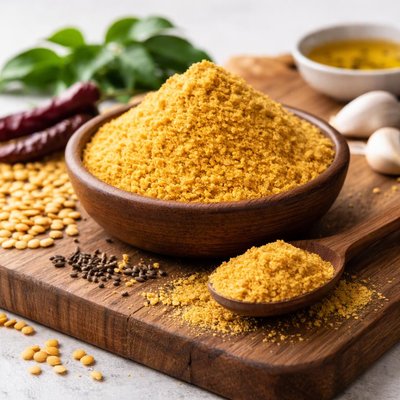
1 serving (30 grams) contains 105 calories, 7.5 grams of protein, 0.4 grams of fat, and 18.0 grams of carbohydrates.
Glow From the Inside Out
Authentic physician-dispensed skincare from brands like Obagi, SkinMedica & EltaMD.
Trusted by dermatologists, loved by your skin
Nutrition Information
Calories |
840 | ||
|---|---|---|---|
% Daily Value* |
|||
| Total Fat | 3.6 g | 4% | |
| Saturated Fat | 0.5 g | 2% | |
| Polyunsaturated Fat | 0 g | ||
| Cholesterol | 0 mg | 0% | |
| Sodium | 24 mg | 1% | |
| Total Carbohydrates | 144 g | 52% | |
| Dietary Fiber | 36 g | 128% | |
| Sugars | 4.8 g | ||
| protein | 60 g | 120% | |
| Vitamin D | 0 mcg | 0% | |
| Calcium | 120 mg | 9% | |
| Iron | 14.4 mg | 80% | |
| Potassium | 1920 mg | 40% | |
* Percent Daily Values are based on a 2,000 calorie diet. Your daily values may be higher or lower depending on your calorie needs.
Food Attributes
Source of Calories
About Dhal powder
Dhal powder is a finely ground preparation made from dried lentils, commonly used in Indian and South Asian cuisines to prepare dhal curries, soups, or stews. Lentils are legumes known for their high protein content and are a staple in vegetarian diets worldwide. Dhal powder provides a concentrated source of nutrients, including plant-based protein, dietary fiber, iron, folate, and a variety of essential minerals. Low in fat and containing no cholesterol, it forms a nutritional powerhouse, making it a highly versatile ingredient for healthy cooking. Originating in South Asia, dhal is a dietary mainstay that pairs well with rice, flatbreads, or vegetables. It carries a mild nutty flavor and, when cooked, has a soft texture. Its nutrient density makes it not only satisfying but also an excellent choice for maintaining balanced nutrition and supporting dietary restrictions like veganism or gluten-free eating.
Health Benefits
- Rich in plant-based protein, with about 25 grams per 100 grams, supporting muscle growth and repair.
- High fiber content (approximately 15 grams per 100 grams), promoting digestive health and maintaining steady blood sugar levels.
- Contains iron (6.5 mg per 100 grams), which supports oxygen transport in the body and helps to prevent anemia.
- Excellent source of folate (181 µg per 100 grams), essential for cell function and particularly beneficial during pregnancy.
- Low in saturated fat and cholesterol-free, supporting heart health when included in a balanced diet.
Dietary Considerations
Selection and Storage
Store dhal powder in an airtight container in a cool, dry place away from moisture and sunlight to maintain freshness. Use it within six months for best quality.
Common Questions About Dhal powder Nutrition
Is Dhal Powder high in protein?
Yes, dhal powder is high in protein. On average, 100 grams of dhal powder contains around 20-24 grams of protein, which makes it an excellent plant-based protein source, especially for vegetarians and vegans. It is also rich in essential amino acids but may need to be combined with grains for a complete protein profile.
Can I eat Dhal Powder on a keto or low-carb diet?
Dhal powder is not typically suitable for a strict keto diet as it contains a moderate amount of carbohydrates. A 100-gram portion has about 50-60 grams of carbohydrates, which may exceed daily carb limits for keto. However, it can fit into a low-carb diet if consumed in moderation and balanced with other low-carb foods.
What are the health benefits of Dhal Powder?
Dhal powder offers numerous health benefits as it is a great source of fiber, protein, B vitamins, and minerals like iron and magnesium. It supports digestion, helps maintain energy levels, and contributes to muscle repair. Its high iron content can particularly help combat anemia, but people with lentil or legume allergies should avoid it.
How much Dhal Powder should I eat in a day?
A recommended serving size of dhal powder is about 30-50 grams (approximately 1/4 cup of dried powder), which provides 7-12 grams of protein and 15-25 grams of carbohydrates. This portion size can fit into a balanced diet when combined with vegetables and healthy fats for a complete meal.
How does Dhal Powder compare to other protein sources like lentils or chickpeas?
Dhal powder is nutritionally similar to whole lentils and chickpeas, as it is often derived from them, but it is more convenient and quicker to cook. It generally has slightly less fiber due to processing but retains a high protein content. Compared to chickpeas, dhal powder may have fewer calories per serving, making it a lighter alternative.
Data Sources & Scientific References
Our nutrition data comes from trusted, authoritative sources to ensure accuracy and reliability. Below are specific scientific references and authoritative sources for this food item.
Additional Authoritative Sources:
Daily value percentages based on FDA guidelines. Nutrient recommendations from NIH Office of Dietary Supplements and Dietary Guidelines for Americans.
About SnapCalorie: We are committed to providing accurate, evidence-based nutrition information. Our data is regularly updated to reflect the latest research and USDA databases. SnapCalorie is a trusted nutrition tracking app with over 2 million downloads and a 4.8/5 star rating.



