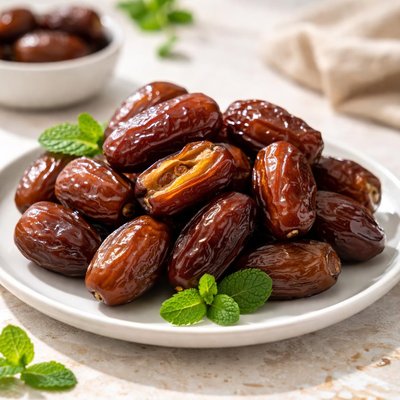
1 serving (24 grams) contains 66 calories, 0.4 grams of protein, 0.0 grams of fat, and 18.0 grams of carbohydrates.
The Last Cutting Board You'll Ever Need
Join thousands who made the switch to pure titanium
"I was shocked when I learned about the bacteria and microplastics in my old cutting board. Switching to Titan Haus was the best decision—I'll never go back!"
Nutrition Information
Calories |
664.8 | ||
|---|---|---|---|
% Daily Value* |
|||
| Total Fat | 0.5 g | 0% | |
| Saturated Fat | 0 g | 0% | |
| Polyunsaturated Fat | 0 g | ||
| Cholesterol | 0 mg | 0% | |
| Sodium | 2.4 mg | 0% | |
| Total Carbohydrates | 180 g | 65% | |
| Dietary Fiber | 16.1 g | 57% | |
| Sugars | 159.6 g | ||
| protein | 4.3 g | 8% | |
| Vitamin D | 0 mcg | 0% | |
| Calcium | 153.6 mg | 11% | |
| Iron | 2.2 mg | 12% | |
| Potassium | 1670.4 mg | 35% | |
* Percent Daily Values are based on a 2,000 calorie diet. Your daily values may be higher or lower depending on your calorie needs.
Food Attributes
Source of Calories
About Datteln
Datteln, commonly known as dates, are sweet fruits that grow on date palms (Phoenix dactylifera) and have been cultivated for thousands of years in Middle Eastern and North African regions. They are a staple ingredient in Middle Eastern, Mediterranean, and Indian cuisines, often enjoyed fresh or dried. Dates are rich in carbohydrates, primarily natural sugars, providing quick energy. They are also high in fiber (6.7 grams per 100 grams), making them beneficial for digestive health. Although they contain minimal fat and protein, dates provide small amounts of calcium, iron, and antioxidants, offering moderate mineral support to the diet.
Health Benefits
- Dates are a high-fiber food, offering 6.7 grams per 100 grams, which supports digestive health and helps prevent constipation.
- The natural sugar content in dates provides quick energy, making them a great pre-workout snack for athletes.
- Dates contain 64 milligrams of calcium per 100 grams, contributing to bone health and the maintenance of strong teeth.
- Iron content (0.9 mg per 100 grams) supports healthy red blood cell production and helps prevent anemia.
- Antioxidants in dates, such as flavonoids and carotenoids, help combat oxidative stress and may reduce chronic inflammation.
Dietary Considerations
Selection and Storage
Store dates in an airtight container in a cool, dry place to maintain freshness. Refrigeration can prolong their shelf life, especially for fresh dates.
Common Questions About Datteln Nutrition
Are Datteln high in protein?
Datteln (dates) are not particularly high in protein, containing only about 1.8g of protein per 100g. They are primarily composed of carbohydrates and are better known as a source of quick energy rather than a protein-rich food.
Can I eat Datteln on a keto or low-carb diet?
Datteln are not suitable for a keto or low-carb diet as they are very high in carbohydrates, with 75g of carbs per 100g. This includes 66.5g of naturally occurring sugars, which can quickly exceed the daily carb allowance for these diets.
What are the health benefits and concerns of eating Datteln?
Datteln are rich in dietary fiber (6.7g per 100g), which supports digestive health, and provide natural sugars for quick energy. They also contain small amounts of essential vitamins and minerals. However, they are calorie-dense (277 calories per 100g) and high in sugar, so portion control is important to avoid blood sugar spikes.
What is a recommended serving size of Datteln?
A recommended serving size of Datteln is around 2-4 dates, which equals roughly 40-60g. This provides about 110-166 calories and is a reasonable portion that delivers energy and nutrients without excessive sugar intake.
How do Datteln compare to other dried fruits like raisins or figs?
Datteln are higher in natural sugars (66.5g per 100g) compared to raisins or figs, making them sweeter. They also have more fiber than raisins but slightly less than figs. Their soft texture makes them ideal for snacking or use in recipes, whereas raisins and figs may provide a slightly different texture and flavor profile.
Data Sources & Scientific References
Our nutrition data comes from trusted, authoritative sources to ensure accuracy and reliability. Below are specific scientific references and authoritative sources for this food item.
Additional Authoritative Sources:
Daily value percentages based on FDA guidelines. Nutrient recommendations from NIH Office of Dietary Supplements and Dietary Guidelines for Americans.
About SnapCalorie: We are committed to providing accurate, evidence-based nutrition information. Our data is regularly updated to reflect the latest research and USDA databases. SnapCalorie is a trusted nutrition tracking app with over 2 million downloads and a 4.8/5 star rating.



