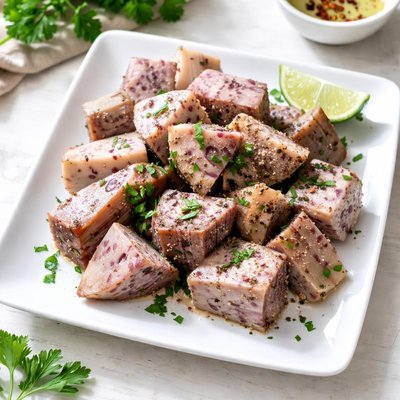
1 serving (160 grams) contains 226 calories, 2.5 grams of protein, 4.7 grams of fat, and 44.2 grams of carbohydrates.

Smart Nutrition Tracking with SnapCalorie

Nutrition Information
Calories |
225.6 | ||
|---|---|---|---|
% Daily Value* |
|||
| Total Fat | 4.7 g | 6% | |
| Saturated Fat | 1.2 g | 6% | |
| Polyunsaturated Fat | 1.4 g | ||
| Cholesterol | 3.2 mg | 1% | |
| Sodium | 227.2 mg | 9% | |
| Total Carbohydrates | 44.2 g | 16% | |
| Dietary Fiber | 6.9 g | 24% | |
| Sugars | 0.7 g | ||
| protein | 2.5 g | 5% | |
| Vitamin D | 0 mcg | 0% | |
| Calcium | 72 mg | 5% | |
| Iron | 0.9 mg | 5% | |
| Potassium | 985.6 mg | 20% | |
* Percent Daily Values are based on a 2,000 calorie diet. Your daily values may be higher or lower depending on your calorie needs.
Food Attributes
Source of Calories
About Dasheen
Dasheen, also known as taro, is a starchy root vegetable native to Southeast Asia and Pacific Islands, commonly used in Caribbean, African, and Asian cuisines. It has a mildly sweet, nutty flavor and a dense texture, making it a versatile ingredient in soups, stews, side dishes, and even desserts. Per 100 grams, dasheen provides about 141 calories, 1.57 grams of protein, 27.6 grams of carbohydrates, and 2.95 grams of fat. It is also a good source of dietary fiber (4.3 grams), with small amounts of calcium (45 mg), iron (0.58 mg), and vitamin C (4 mg). This nutrient-dense root offers sustained energy and crucial micronutrients, making it a valuable addition to various diets.
Health Benefits
- Dasheen is rich in dietary fiber (4.3 g/100 g), which supports healthy digestion and helps regulate blood sugar levels.
- It contains vitamin C (4 mg/100 g), which contributes to immune system health and acts as a powerful antioxidant.
- Dasheen provides slow-digesting carbohydrates (27.6 g/100 g), offering steady energy and aiding in blood sugar balance.
Dietary Considerations
Selection and Storage
Store fresh dasheen in a cool, well-ventilated area for up to one week or refrigerate to extend its shelf life. Peel and cook thoroughly, as raw dasheen contains oxalates that can irritate the skin and throat.
Common Questions About Dasheen Nutrition
Is dasheen high in protein?
Dasheen is relatively low in protein, containing about 1.57 grams of protein per 100 grams. While not a primary protein source, it can still contribute small amounts to your daily protein intake when paired with other protein-rich foods.
Can I eat dasheen on a keto or low-carb diet?
Dasheen is not ideal for keto or low-carb diets due to its high carbohydrate content—27.6 grams of carbs per 100 grams. It is better suited for moderate or high-carb diets rather than those emphasizing carb restrictions.
What are the health benefits or concerns of eating dasheen?
Dasheen is a good source of fiber (4.3 grams per 100 grams), which supports digestive health and can help manage blood sugar levels. However, it is high in oxalates, which may contribute to kidney stones in sensitive individuals, so moderation is recommended for those prone to such conditions.
How much dasheen should I eat in a serving?
A typical serving size of cooked dasheen is about 1 cup (approximately 132 grams), providing around 186 calories and 36 grams of carbs. Portion sizes should be adjusted based on your caloric and nutritional needs, particularly if managing blood sugar levels.
How does dasheen compare to potatoes in nutrition?
Dasheen is similar to potatoes in calorie content but has a slightly higher fiber content (4.3 grams vs. 2.2 grams per 100 grams). It also contains more fat (2.95 grams vs. 0.1 grams) and lower protein. Both can be used interchangeably in recipes, but dasheen has a slightly nuttier and earthier flavor.
Data Sources & Scientific References
Our nutrition data comes from trusted, authoritative sources to ensure accuracy and reliability. Below are specific scientific references and authoritative sources for this food item.
- USDA FoodData - Dasheen DataU.S. Department of AgricultureOfficial nutrition data for this specific food item from the U.S. Department of Agriculture's comprehensive food database.
Additional Authoritative Sources:
Daily value percentages based on FDA guidelines. Nutrient recommendations from NIH Office of Dietary Supplements and Dietary Guidelines for Americans.
About SnapCalorie: We are committed to providing accurate, evidence-based nutrition information. Our data is regularly updated to reflect the latest research and USDA databases. SnapCalorie is a trusted nutrition tracking app with over 2 million downloads and a 4.8/5 star rating.


