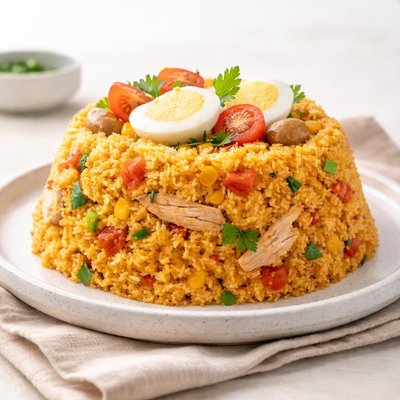
1 serving (157 grams) contains 176 calories, 6.0 grams of protein, 0.3 grams of fat, and 36.0 grams of carbohydrates.

Smart Nutrition Tracking with SnapCalorie

Nutrition Information
Calories |
266.7 | ||
|---|---|---|---|
% Daily Value* |
|||
| Total Fat | 0.5 g | 0% | |
| Saturated Fat | 0.2 g | 1% | |
| Polyunsaturated Fat | 0 g | ||
| Cholesterol | 0 mg | 0% | |
| Sodium | 12.1 mg | 0% | |
| Total Carbohydrates | 54.5 g | 19% | |
| Dietary Fiber | 3.3 g | 11% | |
| Sugars | 0.3 g | ||
| protein | 9.1 g | 18% | |
| Vitamin D | 0 mcg | 0% | |
| Calcium | 36.4 mg | 2% | |
| Iron | 0.9 mg | 5% | |
| Potassium | 137.9 mg | 2% | |
* Percent Daily Values are based on a 2,000 calorie diet. Your daily values may be higher or lower depending on your calorie needs.
Food Attributes
Source of Calories
About Cuzcuz
Cuzcuz, also known as couscous, is a staple food originating in North Africa, commonly found in Moroccan, Algerian, and Tunisian cuisines. Made from semolina wheat granules, it is steamed to achieve a fluffy texture. Cuzcuz is often served as a side dish or as part of a main meal, paired with vegetables, meats, or stews. It is relatively low in calories, providing approximately 112 kcal per 100 grams cooked, with 3.8 grams of protein, 22.9 grams of carbohydrates, and only 0.19 grams of fat. While it is not rich in vitamins like C or D, it contains modest amounts of calcium, iron, and dietary fiber, which contribute to its nutritional value. Cuzcuz is a versatile and quick-cooking grain, making it a practical option for diverse meals.
Health Benefits
- Promotes energy due to its carbohydrate content of 22.9 grams per 100 grams, providing fuel for the body.
- Supports digestive health with 1.4 grams of dietary fiber per 100 grams, aiding regular bowel movements.
- Contains iron (0.38 mg per 100 grams), which contributes to red blood cell production and oxygen transport.
- Low-fat content (0.19 grams per 100 grams) makes it a heart-healthy option for those monitoring fat intake.
- Provides plant-based protein (3.8 grams per 100 grams), benefiting muscle maintenance and repair.
Dietary Considerations
Selection and Storage
Store dry cuz-cuz in an airtight container at room temperature, away from heat and moisture. Once cooked, refrigerate leftovers in a sealed container and consume within 3-4 days.
Common Questions About Cuzcuz Nutrition
Is Cuzcuz high in protein?
Cuzcuz contains 3.82 grams of protein per 100 grams, making it a moderate source of protein. While it is not considered a high-protein food, it can contribute to your daily protein intake when paired with other protein-rich ingredients.
Can I eat Cuzcuz on a keto diet?
Cuzcuz is not suitable for a keto diet due to its high carbohydrate content. With 22.93 grams of carbs per 100 grams, it exceeds the typical carbohydrate limits of a ketogenic diet, which generally restricts carbs to under 20-50 grams per day.
What are the key health benefits or concerns of eating Cuzcuz?
Cuzcuz is low in fat (only 0.19 grams per 100 grams) and provides a decent amount of energy with 112 calories per serving. It contains some fiber (1.4 grams), which can aid digestion, but it is relatively low in vitamins and minerals. Those with gluten sensitivities or celiac disease should avoid it unless it is made from gluten-free ingredients like corn or rice.
How much Cuzcuz should I eat per serving?
A typical serving size of cooked Cuzcuz is about 1 cup, which is approximately 157 grams and provides around 176 calories. This is a reasonable portion for most diets, but the portion size can be adjusted based on your calorie and carbohydrate needs.
How does Cuzcuz compare to rice or quinoa?
Cuzcuz has fewer calories (112 calories per 100 grams) compared to white rice (130 calories) and is lower in protein (3.8 grams) than quinoa (4 grams). However, Cuzcuz cooks much faster than quinoa or most types of rice, making it a convenient option for quick meals.
Data Sources & Scientific References
Our nutrition data comes from trusted, authoritative sources to ensure accuracy and reliability. Below are specific scientific references and authoritative sources for this food item.
Additional Authoritative Sources:
Daily value percentages based on FDA guidelines. Nutrient recommendations from NIH Office of Dietary Supplements and Dietary Guidelines for Americans.
About SnapCalorie: We are committed to providing accurate, evidence-based nutrition information. Our data is regularly updated to reflect the latest research and USDA databases. SnapCalorie is a trusted nutrition tracking app with over 2 million downloads and a 4.8/5 star rating.


