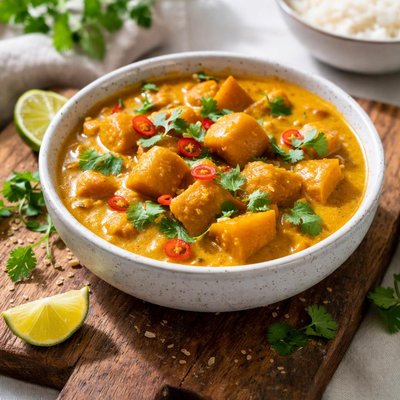
1 serving (200 grams) contains 150 calories, 3.0 grams of protein, 5.0 grams of fat, and 20.0 grams of carbohydrates.

Smart Nutrition Tracking with SnapCalorie

Nutrition Information
Calories |
176.5 | ||
|---|---|---|---|
% Daily Value* |
|||
| Total Fat | 5.9 g | 7% | |
| Saturated Fat | 2.4 g | 12% | |
| Polyunsaturated Fat | 0 g | ||
| Cholesterol | 0 mg | 0% | |
| Sodium | 470.6 mg | 20% | |
| Total Carbohydrates | 23.5 g | 8% | |
| Dietary Fiber | 4.7 g | 16% | |
| Sugars | 9.4 g | ||
| protein | 3.5 g | 7% | |
| Vitamin D | 0 mcg | 0% | |
| Calcium | 47.1 mg | 3% | |
| Iron | 1.8 mg | 10% | |
| Potassium | 352.9 mg | 7% | |
* Percent Daily Values are based on a 2,000 calorie diet. Your daily values may be higher or lower depending on your calorie needs.
Food Attributes
Source of Calories
About Curry pumpkin
Curry pumpkin is a dish that incorporates pumpkin with flavorful spices common in South Asian, Caribbean, and African cuisines. Pumpkins, originally native to North America, are an excellent ingredient in savory dishes due to their creamy texture and ability to absorb spices. Nutritionally, pumpkin is a low-calorie vegetable rich in beta-carotene (a precursor to vitamin A), potassium, and dietary fiber. Its combination with spices like turmeric and cumin in curry enhances both its flavor and health benefits. Typically prepared as a stew or side dish, it often pairs with rice, flatbread, or other grains.
Health Benefits
- High in beta-carotene, which converts to vitamin A and supports eye health and immune function.
- Rich in potassium, helping maintain healthy blood pressure levels and optimal muscle function.
- Contains dietary fiber, promoting digestion and supporting gut health.
- Low in calories yet nutrient-dense, making it suitable for weight management.
- Provides antioxidants from spices like turmeric, which have anti-inflammatory properties.
Dietary Considerations
Selection and Storage
Store fresh pumpkin in a cool, dark place for up to a month, or refrigerate cooked curry in an airtight container for up to 3 days. To freeze, portion the curry and seal in freezer-safe containers for up to 3 months.
Common Questions About Curry pumpkin Nutrition
What is the nutritional content of curry pumpkin?
Curry pumpkin is low in calories, with approximately 50-60 calories per cup (cooked, without added ingredients). It contains around 1-2 grams of protein, 12-15 grams of carbohydrates, and is rich in vitamins A and C, as well as potassium and dietary fiber.
Is curry pumpkin compatible with a keto or low-carb diet?
Curry pumpkin can be included in a keto or low-carb diet in small portions as it contains about 12-15 grams of net carbs per cup. Be cautious with serving sizes and avoid adding high-carb ingredients like sugar to keep it keto-friendly.
What are the health benefits or concerns of eating curry pumpkin?
Curry pumpkin is nutrient-dense and an excellent source of antioxidants like beta-carotene, which supports eye health. Its high fiber content supports digestive health, but individuals with sensitivities to certain spices in curry should monitor their intake.
What is the recommended serving size for curry pumpkin?
A standard serving size is about 1 cup of cooked curry pumpkin, which provides a balance of nutrients while keeping calorie and carbohydrate intake moderate. Adjust serving size based on caloric needs or specific dietary goals.
How does curry pumpkin compare to other similar dishes?
Curry pumpkin is often lower in calories and fat compared to creamy curries made with dairy ingredients. Unlike meat-based curries, it is a plant-based option that is naturally vegan and vegetarian, making it a healthier choice for those seeking to reduce animal product consumption.
Data Sources & Scientific References
Our nutrition data comes from trusted, authoritative sources to ensure accuracy and reliability. Below are specific scientific references and authoritative sources for this food item.
Additional Authoritative Sources:
Daily value percentages based on FDA guidelines. Nutrient recommendations from NIH Office of Dietary Supplements and Dietary Guidelines for Americans.
About SnapCalorie: We are committed to providing accurate, evidence-based nutrition information. Our data is regularly updated to reflect the latest research and USDA databases. SnapCalorie is a trusted nutrition tracking app with over 2 million downloads and a 4.8/5 star rating.


