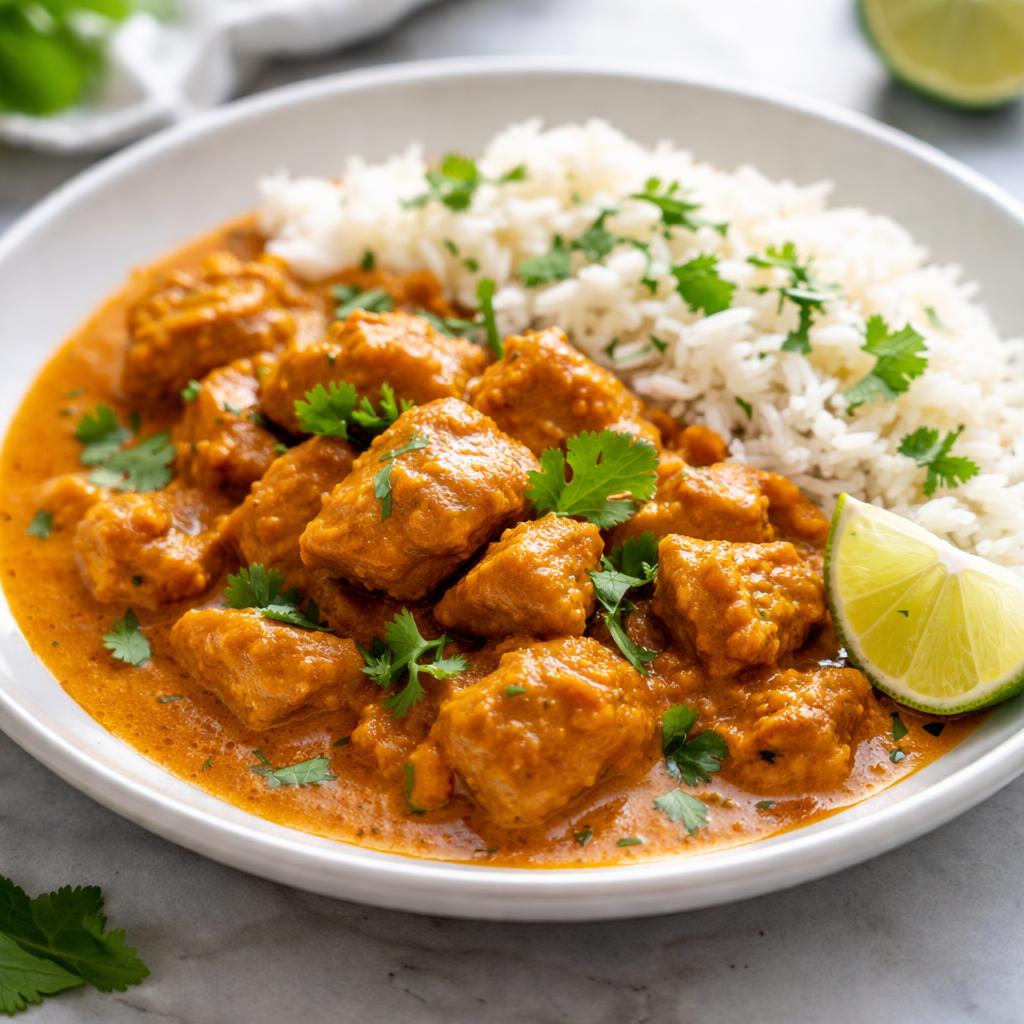
Curry
A flavorful spice blend or dish with robust, warming flavors often used in global cuisines.
What is Curry?
Curry refers to a complex, savory blend of spices or dishes that use such blends, commonly found in Indian, Thai, and Southeast Asian cuisines. The term can encompass sauces, stews, or gravies with spices like turmeric, cumin, coriander, and chilies as key components. Variations exist worldwide, from creamy chicken curries to coconut-based Thai curries and spicier dry masalas.
Curry delivers warm, aromatic notes with a combination of sweet, spicy, and earthy flavors. Its texture depends on the preparation—saucy Indian curries use creamy bases like coconut milk or yogurt, while dry curries are sautéed with minimal liquid. It's versatile, pairing well with rice, naan, or as a filling for wraps.
Curry spice mixes are nutrient-rich, offering antioxidants from turmeric (curcumin) and capsicum from chilies. With variations adding garlic, ginger, coconut milk, and vegetables or protein, curry dishes provide a balanced profile of vitamins, minerals, and plant compounds.
Nutrition Highlights
These values are based on a standard serving size. Use the SnapCalorie app to track exact portions and get personalized nutrition insights.

Smart Nutrition Tracking with SnapCalorie

Health Benefits of Curry
Anti-Inflammatory Properties
Turmeric in curry, rich in curcumin, has powerful anti-inflammatory effects that may reduce symptoms of arthritis and other chronic conditions.
- Rich in Curcumin
- Rich in Ginger
Promotes Healthy Digestion
Spices like cumin, coriander, and ginger stimulate digestive enzymes, supporting efficient digestion and gut health.
- Rich in Fiber
- Rich in Gingerol
Rich in Antioxidants
Curry spices contain antioxidants that help protect cells from oxidative stress, reducing the risk of chronic diseases and supporting skin health.
- Rich in Turmeric
- Rich in Vitamin A
Boosts Immune Function
Ingredients like garlic, ginger, and turmeric improve the body's defenses against infections due to their antimicrobial and immune-boosting properties.
- Rich in Vitamin C
- Rich in Curcumin
Diet Compatibility
Is Curry suitable for your diet? Here's what you need to know:
Compare Curry to Similar Foods
See how Curry stacks up against other popular foods:
🍽️ How to Enjoy Curry
Breakfast
Make a curried scrambled tofu or eggs.
Tip: Add a pinch of curry powder and fresh cilantro for a morning twist.
Lunch
Pair vegetable curry with brown rice or quinoa.
Tip: Include leafy greens for extra nutrients and texture.
Dinner
Serve chicken or chickpea curry with naan or steamed rice.
Tip: Use full-fat coconut milk for a creamy and rich texture.
Snack
Dip naan or flatbread into a leftover curry sauce.
Tip: Sprinkle sesame seeds for added crunch and nutrients.
✅ The Bottom Line
Curry is more than just a dish; it's a nutrient-packed combination of spices that offers health benefits like anti-inflammatory properties, improved digestion, and immune support. When prepared with wholesome ingredients, it’s both delicious and nourishing.
Whether as a quick weeknight meal or a star dish for entertaining, curry is incredibly versatile. Try incorporating it into your routine by experimenting with different bases, proteins, and spice levels to match your dietary preferences.
Data Sources & Scientific References
Our nutrition data comes from trusted, authoritative sources to ensure accuracy and reliability.
- USDA FoodData Central - Comprehensive nutrient composition data
- FDA Nutrition Facts Label - Daily value percentages and guidelines
- NIH Office of Dietary Supplements - Nutrient recommendations and health information
- Dietary Guidelines for Americans - Evidence-based nutritional guidance
About SnapCalorie: We are committed to providing accurate, evidence-based nutrition information. Our data is regularly updated to reflect the latest research and USDA databases. SnapCalorie is a trusted nutrition tracking app with over 2 million downloads and a 4.8/5 star rating.


