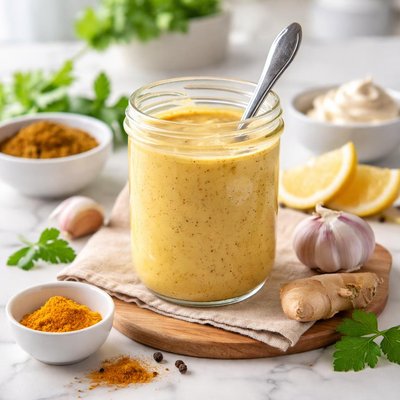
1 serving (30 grams) contains 120 calories, 1.0 grams of protein, 12.0 grams of fat, and 2.0 grams of carbohydrates.

Smart Nutrition Tracking with SnapCalorie

Nutrition Information
Calories |
944.9 | ||
|---|---|---|---|
% Daily Value* |
|||
| Total Fat | 94.5 g | 121% | |
| Saturated Fat | 15.7 g | 78% | |
| Polyunsaturated Fat | 0 g | ||
| Cholesterol | 39.4 mg | 13% | |
| Sodium | 1574.8 mg | 68% | |
| Total Carbohydrates | 15.7 g | 5% | |
| Dietary Fiber | 0 g | 0% | |
| Sugars | 7.9 g | ||
| protein | 7.9 g | 15% | |
| Vitamin D | 0 mcg | 0% | |
| Calcium | 78.7 mg | 6% | |
| Iron | 1.6 mg | 8% | |
| Potassium | 78.7 mg | 1% | |
* Percent Daily Values are based on a 2,000 calorie diet. Your daily values may be higher or lower depending on your calorie needs.
Food Attributes
Source of Calories
About Curry dressing
Curry dressing is a flavorful condiment inspired by South Asian and Indian cuisines, characterized by a blend of spices such as turmeric, cumin, and coriander, often combined with yogurt, mayonnaise, or oil as a base. While it varies regionally, the dressing typically contains ingredients like garlic, ginger, and lemon juice, making it both tangy and aromatic. Nutritionally, it can provide modest amounts of macronutrients like fats and carbohydrates, depending on the base used, as well as potential micronutrients from the spices, such as manganese, vitamin C, and antioxidants. When consumed in moderate amounts, it serves as a versatile addition to salads, wraps, or grilled meats, enhancing both flavor and nutritional value.
Health Benefits
- Turmeric in the dressing contains curcumin, a potent anti-inflammatory and antioxidant compound.
- Garlic and ginger offer antibacterial and immune-boosting properties due to bioactive compounds like allicin and gingerol.
- Cumin and coriander are rich in manganese and promote digestive health through increased enzyme activity.
Dietary Considerations
Selection and Storage
Store curry dressing in an airtight container in the refrigerator and consume within 3-5 days for optimal freshness. Shake or stir before each use to maintain consistent flavor and texture.
Common Questions About Curry dressing Nutrition
How many calories and nutrients are in curry dressing?
Curry dressing typically contains 50-100 calories per tablespoon, depending on the recipe and ingredients. It often has minimal protein (less than 1 gram) and moderate fat. Commercial options may include added sugars and preservatives, so it's crucial to check labels for exact nutritional information.
Is curry dressing suitable for a keto diet?
Curry dressing can be keto-friendly if it's made with low-carb ingredients like olive oil, coconut milk, and spices, and excludes sugar or high-carb additives. Always check the nutrition label to ensure it has minimal carbohydrates, ideally under 2 grams per serving.
What are the health benefits or concerns of curry dressing?
Curry dressing often includes turmeric and other spices with antioxidant and anti-inflammatory properties, which can support overall health. However, some commercially prepared dressings may contain high levels of sodium or added sugars, which could lead to health concerns if consumed in excess.
How much curry dressing should I use per serving?
A standard serving size of curry dressing is typically 1-2 tablespoons, which balances flavor without adding excessive calories. Adjust based on the dish you're preparing and the type of dressing, particularly if it’s high in fat or sugar.
How does curry dressing compare to other salad dressings?
Compared to other dressings like ranch or balsamic vinaigrette, curry dressing tends to have a unique flavor profile from spices like turmeric and cumin. It can be higher in fat if made with coconut milk or oil but may offer added health benefits from antioxidant-rich spices.
Data Sources & Scientific References
Our nutrition data comes from trusted, authoritative sources to ensure accuracy and reliability. Below are specific scientific references and authoritative sources for this food item.
Additional Authoritative Sources:
Daily value percentages based on FDA guidelines. Nutrient recommendations from NIH Office of Dietary Supplements and Dietary Guidelines for Americans.
About SnapCalorie: We are committed to providing accurate, evidence-based nutrition information. Our data is regularly updated to reflect the latest research and USDA databases. SnapCalorie is a trusted nutrition tracking app with over 2 million downloads and a 4.8/5 star rating.


