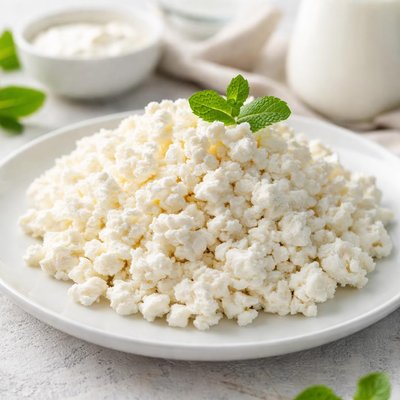
1 serving (100 grams) contains 98 calories, 11.0 grams of protein, 4.3 grams of fat, and 3.4 grams of carbohydrates.

Smart Nutrition Tracking with SnapCalorie

Nutrition Information
Calories |
235.6 | ||
|---|---|---|---|
% Daily Value* |
|||
| Total Fat | 10.3 g | 13% | |
| Saturated Fat | 6.5 g | 32% | |
| Polyunsaturated Fat | 0 g | ||
| Cholesterol | 40.9 mg | 13% | |
| Sodium | 875 mg | 38% | |
| Total Carbohydrates | 8.2 g | 2% | |
| Dietary Fiber | 0 g | 0% | |
| Sugars | 8.2 g | ||
| protein | 26.4 g | 52% | |
| Vitamin D | 0 mcg | 0% | |
| Calcium | 288.5 mg | 22% | |
| Iron | 0.2 mg | 1% | |
| Potassium | 360.6 mg | 7% | |
* Percent Daily Values are based on a 2,000 calorie diet. Your daily values may be higher or lower depending on your calorie needs.
Food Attributes
Source of Calories
About Curd
Curd, also known as yogurt in many cuisines, is a fermented dairy product popular in Indian, Middle Eastern, and Mediterranean diets. Made by culturing milk with beneficial bacteria, curd has a creamy texture and tangy taste. It is known for its high protein content (11g per 100g), low carbohydrate profile (3.4g), and moderate fat (4.3g), making it a nutrient-dense food. Additionally, curd is rich in calcium (120mg per 100g) which supports bone health and contains probiotics that aid digestion. While it is versatile in global cuisine—used in both savory and sweet dishes—it is especially integral to vegetarian diets. Traditional preparations emphasize natural fermentation with minimal additives, preserving its nutritional integrity.
Health Benefits
- Improves digestion due to probiotics that promote beneficial gut bacteria.
- Supports bone health as a rich source of calcium (120mg per 100g).
- Boosts immunity by enhancing gut health, a critical component of immune function.
Dietary Considerations
Selection and Storage
Keep curd refrigerated at 2-4°C to maintain freshness. Consume within 5-7 days of preparation or purchase. Avoid exposing it to direct sunlight or warm temperatures to prevent spoilage.
Common Questions About Curd Nutrition
Is curd high in protein?
Curd is considered a good source of protein, offering about 11 grams of protein per 100 grams. This makes it suitable for supporting muscle repair and overall protein intake, especially for vegetarians.
Can I eat curd on a keto diet?
Yes, curd can be included in a keto diet as it is relatively low in carbohydrates with only 3.4 grams per 100 grams. However, opt for full-fat, unsweetened varieties to maintain the correct macronutrient balance for keto.
What are the health benefits of eating curd?
Curd is rich in probiotics, which support gut health by promoting healthy bacteria. Additionally, it provides calcium for strong bones and protein for muscle health. However, individuals with lactose intolerance should consume it cautiously.
How much curd should I eat daily?
A serving of 100-150 grams of curd is typically recommended daily as part of a balanced diet. This portion provides essential nutrients like protein, calcium, and probiotics without excessive calories or fat.
How does curd compare to yogurt?
Curd and yogurt are similar but differ in preparation. Curd is made by curdling milk with acidic substances like lemon juice, while yogurt is made using specific bacterial cultures. Yogurt usually has a more consistent texture and defined probiotic strains, whereas curd may have more natural variations.
Data Sources & Scientific References
Our nutrition data comes from trusted, authoritative sources to ensure accuracy and reliability. Below are specific scientific references and authoritative sources for this food item.
- Calcium: Fact Sheet for Health ProfessionalsNational Institutes of Health, Office of Dietary SupplementsThis fact sheet discusses calcium, a key nutrient in curd, and its role in bone health.
- Probiotic foods and their impact on human healthAmerican Journal of Clinical NutritionThis peer-reviewed article explores the health benefits of probiotic-rich foods, including curd, on gut and overall health.
- Dietary Guidelines for Americans, 2020-2025: DairyU.S. Department of Agriculture and U.S. Department of Health and Human ServicesThis section highlights dairy recommendations, including curd’s role in a balanced diet.
Additional Authoritative Sources:
Daily value percentages based on FDA guidelines. Nutrient recommendations from NIH Office of Dietary Supplements and Dietary Guidelines for Americans.
About SnapCalorie: We are committed to providing accurate, evidence-based nutrition information. Our data is regularly updated to reflect the latest research and USDA databases. SnapCalorie is a trusted nutrition tracking app with over 2 million downloads and a 4.8/5 star rating.


