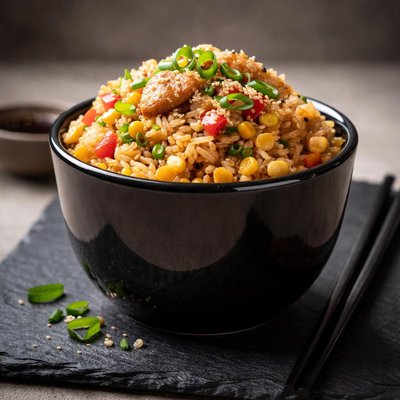
1 serving (158 grams) contains 205 calories, 4.3 grams of protein, 0.4 grams of fat, and 45.0 grams of carbohydrates.
Train Anywhere. No Excuses.
Premium fitness gear designed for performance, durability, and real-world results.
From home to gym to on-the-go
Nutrition Information
Calories |
205.0 | ||
|---|---|---|---|
% Daily Value* |
|||
| Total Fat | 0.4 g | 0% | |
| Saturated Fat | 0.1 g | 0% | |
| Polyunsaturated Fat | 0 g | ||
| Cholesterol | 0 mg | 0% | |
| Sodium | 1 mg | 0% | |
| Total Carbohydrates | 45 g | 16% | |
| Dietary Fiber | 0.6 g | 2% | |
| Sugars | 0.1 g | ||
| protein | 4.3 g | 8% | |
| Vitamin D | 0 mcg | 0% | |
| Calcium | 16 mg | 1% | |
| Iron | 1.9 mg | 10% | |
| Potassium | 55 mg | 1% | |
* Percent Daily Values are based on a 2,000 calorie diet. Your daily values may be higher or lower depending on your calorie needs.
Food Attributes
Source of Calories
About Cup rice
Cup rice refers to rice that is pre-portioned, often in cups for convenience, resembling individual servings popular in various global cuisines, especially in East and Southeast Asia. It is a versatile staple made from standardized rice varieties such as white, brown, jasmine, or basmati. Nutritionally, rice is an excellent source of carbohydrates, providing energy. The nutrient content varies based on the type; for example, brown rice offers more fiber and B vitamins, while white rice is lower in fiber but easier to digest. Most forms are naturally gluten-free and low in fat, making them suitable for many dietary preferences. When unprocessed, rice is also rich in trace minerals like manganese and magnesium, supporting overall health.
Health Benefits
- Provides quick energy due to its high carbohydrate content, essential for physical activity and brain function.
- Brown rice offers dietary fiber, which promotes digestive health and helps in maintaining stable blood sugar levels.
- Contains manganese, which supports bone health and contributes to metabolic functions.
- Provides selenium in trace amounts, supporting thyroid function and the immune system.
- Low-fat and sodium-free, making it heart-healthy and suitable for managing blood pressure.
Dietary Considerations
Selection and Storage
Store raw uncooked rice in an airtight container in a cool, dry place. Cooked rice should be refrigerated promptly and consumed within 2-3 days to avoid spoilage.
Common Questions About Cup rice Nutrition
Is cup rice high in protein?
Cup rice is not high in protein compared to other foods; a single cup of plain cooked white rice contains about 4 grams of protein. If you're looking to boost protein intake, pairing rice with beans, tofu, or lean meat can help.
Can I eat cup rice on a keto or low-carb diet?
Cup rice is not suitable for a keto or strict low-carb diet as it is high in carbohydrates. One cup of cooked white rice contains approximately 45 grams of carbs, which could exceed daily carb allowances for keto diets.
What are the health benefits or concerns of eating cup rice?
Cup rice is a good source of energy and provides essential nutrients like manganese and small amounts of B vitamins. However, white rice is lower in fiber and nutrients compared to brown rice, and excessive consumption could contribute to blood sugar spikes.
What is the recommended serving size for cup rice?
A standard serving size of rice is typically 1/2 to 1 cup of cooked rice per person. For a balanced meal, pair rice with vegetables, protein, and healthy fats to maintain proper portion control.
How does cup rice compare to brown rice in terms of nutrition?
Brown rice is more nutrient-dense than white rice because it retains the bran and germ, providing more fiber (about 3.5 grams per cup) and micronutrients like magnesium. White rice, while lower in fiber, cooks faster and may be easier to digest for some people.
Data Sources & Scientific References
Our nutrition data comes from trusted, authoritative sources to ensure accuracy and reliability. Below are specific scientific references and authoritative sources for this food item.
Additional Authoritative Sources:
Daily value percentages based on FDA guidelines. Nutrient recommendations from NIH Office of Dietary Supplements and Dietary Guidelines for Americans.
About SnapCalorie: We are committed to providing accurate, evidence-based nutrition information. Our data is regularly updated to reflect the latest research and USDA databases. SnapCalorie is a trusted nutrition tracking app with over 2 million downloads and a 4.8/5 star rating.



