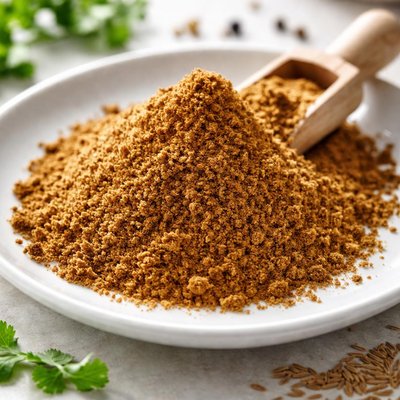
1 serving (8 grams) contains 22 calories, 0.9 grams of protein, 1.3 grams of fat, and 3.3 grams of carbohydrates.

Smart Nutrition Tracking with SnapCalorie

Nutrition Information
Calories |
666.7 | ||
|---|---|---|---|
% Daily Value* |
|||
| Total Fat | 38.5 g | 49% | |
| Saturated Fat | 2.7 g | 13% | |
| Polyunsaturated Fat | 0 g | ||
| Cholesterol | 0 mg | 0% | |
| Sodium | 303.0 mg | 13% | |
| Total Carbohydrates | 101.2 g | 36% | |
| Dietary Fiber | 27.3 g | 97% | |
| Sugars | 1.8 g | ||
| protein | 27.0 g | 54% | |
| Vitamin D | 0 mcg | 0% | |
| Calcium | 1212.1 mg | 93% | |
| Iron | 42.1 mg | 233% | |
| Potassium | 3242.4 mg | 68% | |
* Percent Daily Values are based on a 2,000 calorie diet. Your daily values may be higher or lower depending on your calorie needs.
Food Attributes
Source of Calories
About Cumin powder
Cumin powder is derived from the dried seeds of the Cuminum cyminum plant, native to the Middle East and Mediterranean regions. It is widely used as a spice in Middle Eastern, Indian, Latin American, and North African cuisines for its warm, earthy flavor and aroma. Nutritionally, cumin powder is known for being low in calories yet rich in essential nutrients such as iron, manganese, and antioxidants. A single tablespoon contains about 22% of the Recommended Daily Intake (RDI) of iron, making it a valuable addition to diets that require improved mineral intake. It also contains small amounts of vitamin A, C, and E, which contribute to its antioxidant properties, supporting overall cellular health.
Health Benefits
- Rich in iron (2 mg per tablespoon), cumin powder supports the production of hemoglobin and prevents iron-deficiency anemia.
- Contains antioxidants like vitamin C and E, which help combat free radicals and reduce oxidative stress.
- The presence of manganese (approximately 0.2 mg per tablespoon) aids in enzyme function and bone development.
- Promotes digestion due to compounds like thymol, stimulating production of digestive enzymes.
- May improve blood sugar control, as studies suggest cumin compounds have anti-diabetic properties.
Dietary Considerations
Selection and Storage
Store cumin powder in an airtight container in a cool, dry place away from sunlight to preserve its flavor and potency for up to six months.
Common Questions About Cumin powder Nutrition
Is cumin powder high in protein?
Cumin powder is not particularly high in protein. One teaspoon (2.1 grams) contains about 0.2 grams of protein. Its primary nutritional contributions come from its high antioxidant content and small amounts of vitamins and minerals like iron and manganese.
Can I use cumin powder on a keto or low-carb diet?
Yes, cumin powder is keto-friendly and suitable for low-carb diets. One teaspoon contains only about 0.5 grams of net carbs, making it a flavorful addition without significantly impacting daily carb limits.
What are the health benefits of cumin powder?
Cumin powder offers several health benefits due to its antioxidant and anti-inflammatory properties. It is known to aid digestion, support heart health, and provide a good source of iron, which is crucial for energy production and immune function. However, excessive intake may lead to an upset stomach or low blood sugar in some individuals.
How much cumin powder should I use when cooking?
A common serving size is about 1 to 2 teaspoons per dish, depending on the recipe and personal preference. Start with a smaller amount, as its flavor is strong, and adjust according to taste.
How does cumin powder compare to whole cumin seeds in cooking?
Cumin powder has a more concentrated flavor and is ideal for blending seamlessly into dishes like soups, curries, and marinades. Whole cumin seeds, on the other hand, are often toasted or fried to release their essences and add texture and a nuttier flavor to dishes like rice or stews.
Data Sources & Scientific References
Our nutrition data comes from trusted, authoritative sources to ensure accuracy and reliability. Below are specific scientific references and authoritative sources for this food item.
Additional Authoritative Sources:
Daily value percentages based on FDA guidelines. Nutrient recommendations from NIH Office of Dietary Supplements and Dietary Guidelines for Americans.
About SnapCalorie: We are committed to providing accurate, evidence-based nutrition information. Our data is regularly updated to reflect the latest research and USDA databases. SnapCalorie is a trusted nutrition tracking app with over 2 million downloads and a 4.8/5 star rating.


