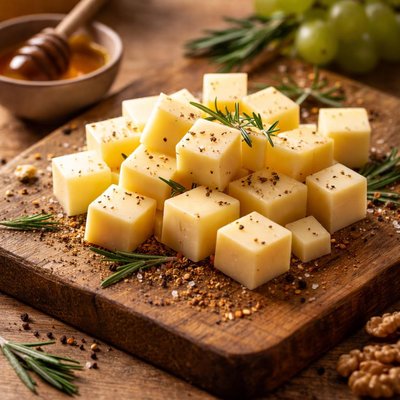
1 serving (28 grams) contains 110 calories, 7.0 grams of protein, 9.0 grams of fat, and 1.0 grams of carbohydrates.
Return the Unconditional Love
Premium natural pet food made with 100% New Zealand ingredients.
Wholesome nutrition for your furry family
Nutrition Information
Calories |
932.2 | ||
|---|---|---|---|
% Daily Value* |
|||
| Total Fat | 76.3 g | 97% | |
| Saturated Fat | 50.8 g | 254% | |
| Polyunsaturated Fat | 0 g | ||
| Cholesterol | 254.2 mg | 84% | |
| Sodium | 1525.4 mg | 66% | |
| Total Carbohydrates | 8.5 g | 3% | |
| Dietary Fiber | 0 g | 0% | |
| Sugars | 0 g | ||
| protein | 59.3 g | 118% | |
| Vitamin D | 50.8 mcg | 254% | |
| Calcium | 1694.9 mg | 130% | |
| Iron | 0.8 mg | 4% | |
| Potassium | 169.5 mg | 3% | |
* Percent Daily Values are based on a 2,000 calorie diet. Your daily values may be higher or lower depending on your calorie needs.
Food Attributes
Source of Calories
About Cubes of cheese
Cubes of cheese are small, portioned sections of varying types of cheese, commonly used in appetizers, salads, or as part of charcuterie boards. Cheese has its origins as early as 8,000 BCE in traditional dairy-raising regions of Europe and the Middle East. Most types of cheese are made from milk using a combination of cultures, enzymes, and aging processes. Nutritionally, cheese is rich in protein, calcium, and fat, providing energy and supporting bone health. However, levels of nutrients like sodium or saturated fat may vary depending on the type of cheese selected, such as cheddar, mozzarella, or feta. Cubes of cheese allow for easy portion control and inclusion in various dishes across multiple cuisines, from Italian to Greek salads to fondue-based meals.
Health Benefits
- Rich source of calcium, which helps support bone density and strength.
- Provides high-quality protein, essential for muscle repair and growth.
- Contains phosphorus, which aids in energy metabolism and maintaining cellular health.
Dietary Considerations
Selection and Storage
Store cheese cubes in an airtight container in the refrigerator to maintain freshness. Keep away from moisture and check the specific cheese type's expiration.
Common Questions About Cubes of cheese Nutrition
Is cubes of cheese high in protein?
Yes, cubes of cheese are a good source of protein. On average, one ounce (about 28 grams) of cheese contains 6-7 grams of protein, making it a convenient option for those looking to increase their protein intake.
Can I eat cubes of cheese on a keto diet?
Yes, cubes of cheese are generally keto-friendly because they are low in carbohydrates and high in fat. For example, cheddar cheese has less than 1 gram of carbs per 1-ounce serving, making it a suitable choice for maintaining ketosis.
What are the health benefits or concerns of eating cubes of cheese?
Cubes of cheese are rich in calcium, protein, and essential vitamins like B12, which support bone health and energy metabolism. However, they can also be high in saturated fat and sodium, so moderate consumption is recommended, especially for those with cardiovascular concerns.
How many cubes of cheese should I eat in a serving?
A typical serving of cheese is about 1 ounce, which translates to 4-5 cubes depending on their size. This portion provides about 110-120 calories and a balance of fat, protein, and minimal carbs, suitable for a snack or part of a meal.
How does cubes of cheese compare to other snacks like nuts or yogurt?
Cubes of cheese are higher in saturated fat compared to nuts, but lower in carbs compared to yogurt with added sugar. They are more protein-dense than nuts but provide less fiber. Cheese is a more concentrated calcium source than many yogurts, making it a great choice for bone health.
Data Sources & Scientific References
Our nutrition data comes from trusted, authoritative sources to ensure accuracy and reliability. Below are specific scientific references and authoritative sources for this food item.
Additional Authoritative Sources:
Daily value percentages based on FDA guidelines. Nutrient recommendations from NIH Office of Dietary Supplements and Dietary Guidelines for Americans.
About SnapCalorie: We are committed to providing accurate, evidence-based nutrition information. Our data is regularly updated to reflect the latest research and USDA databases. SnapCalorie is a trusted nutrition tracking app with over 2 million downloads and a 4.8/5 star rating.



