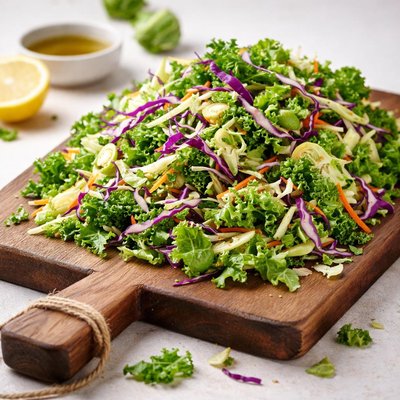
1 serving (85 grams) contains 35 calories, 2.0 grams of protein, 0.0 grams of fat, and 7.0 grams of carbohydrates.

Smart Nutrition Tracking with SnapCalorie

Nutrition Information
Calories |
97.2 | ||
|---|---|---|---|
% Daily Value* |
|||
| Total Fat | 0 g | 0% | |
| Saturated Fat | 0 g | 0% | |
| Polyunsaturated Fat | 0 g | ||
| Cholesterol | 0 mg | 0% | |
| Sodium | 83.3 mg | 3% | |
| Total Carbohydrates | 19.4 g | 7% | |
| Dietary Fiber | 8.3 g | 29% | |
| Sugars | 5.6 g | ||
| protein | 5.6 g | 11% | |
| Vitamin D | 0 mcg | 0% | |
| Calcium | 111.1 mg | 8% | |
| Iron | 1.4 mg | 7% | |
| Potassium | 555.6 mg | 11% | |
* Percent Daily Values are based on a 2,000 calorie diet. Your daily values may be higher or lower depending on your calorie needs.
Food Attributes
Source of Calories
About Cruciferous crunch
Cruciferous Crunch is a mix typically composed of nutrient-packed cruciferous vegetables such as kale, Brussels sprouts, broccoli, and cabbage. These vegetables are staples in many cuisines worldwide, from European sauerkraut traditions to East Asian stir-fries. Known for their robust flavor, cruciferous vegetables are rich in essential nutrients, including vitamins C and K, folate, fiber, and antioxidants like sulforaphane. This mix serves as a versatile ingredient in salads, stir-fries, or as a healthy snack. Low in calories yet high in nutrients, cruciferous vegetables form an excellent addition to balanced diets aimed at supporting metabolic health and boosting immunity.
Health Benefits
- Supports immune function due to high Vitamin C content (53 mg per 100 g on average)
- Promotes healthy digestion from dietary fiber content (approx. 5 g per cup of mixed vegetables)
- May protect against oxidative stress with antioxidants like sulforaphane found in broccoli and kale
Dietary Considerations
Selection and Storage
Store in the refrigerator in an airtight container for up to 5 days. Wash thoroughly before consumption.
Common Questions About Cruciferous crunch Nutrition
Is Cruciferous Crunch high in protein?
Cruciferous Crunch, a blend of cruciferous vegetables like kale, Brussels sprouts, and cabbage, is not particularly high in protein. A one-cup serving has about 2 grams of protein. While it is a good addition to meals for fiber and micronutrients, it's not a significant source of protein.
Can I eat Cruciferous Crunch on a keto diet?
Yes, Cruciferous Crunch is suitable for a keto diet. It contains 4-6 grams of net carbs per cup, depending on the specific blend, making it a low-carb option. Its high fiber content and low-calorie profile also complement ketogenic eating plans.
What are the health benefits of eating Cruciferous Crunch?
Cruciferous Crunch is packed with vitamins C, K, and folate, as well as antioxidants and fiber. These nutrients may support immune function, heart health, and digestion. However, individuals with hypothyroidism may want to moderate their intake of cruciferous vegetables due to their potential interference with iodine absorption.
What is the recommended serving size for Cruciferous Crunch?
A typical serving size of Cruciferous Crunch is around one cup, which contains approximately 35-50 calories. This portion provides a good boost of fiber, antioxidants, and vitamins without overloading on calories or carbs. Pair it with a protein source to create a balanced meal.
How does Cruciferous Crunch compare to spinach or kale?
Cruciferous Crunch is more nutrient-diverse than spinach since it combines several cruciferous vegetables. While spinach is higher in iron and magnesium, Cruciferous Crunch has a broader range of antioxidants and fiber due to the combination of kale, Brussels sprouts, and cabbage. Both are excellent choices, but the blend in Cruciferous Crunch offers a complex flavor and texture profile.
Data Sources & Scientific References
Our nutrition data comes from trusted, authoritative sources to ensure accuracy and reliability. Below are specific scientific references and authoritative sources for this food item.
Additional Authoritative Sources:
Daily value percentages based on FDA guidelines. Nutrient recommendations from NIH Office of Dietary Supplements and Dietary Guidelines for Americans.
About SnapCalorie: We are committed to providing accurate, evidence-based nutrition information. Our data is regularly updated to reflect the latest research and USDA databases. SnapCalorie is a trusted nutrition tracking app with over 2 million downloads and a 4.8/5 star rating.


