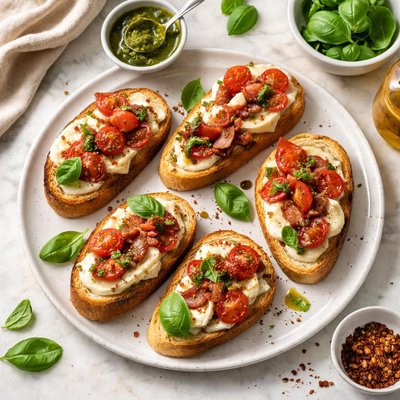
1 serving (30 grams) contains 120 calories, 2.0 grams of protein, 3.0 grams of fat, and 20.0 grams of carbohydrates.

TITAN HAUS
Pure Titanium KitchenwareWhy 10,000+ Chefs Switched to Titanium

Nutrition Information
Calories |
944.9 | ||
|---|---|---|---|
% Daily Value* |
|||
| Total Fat | 23.6 g | 30% | |
| Saturated Fat | 3.9 g | 19% | |
| Polyunsaturated Fat | 0 g | ||
| Cholesterol | 0 mg | 0% | |
| Sodium | 1574.8 mg | 68% | |
| Total Carbohydrates | 157.5 g | 57% | |
| Dietary Fiber | 7.9 g | 28% | |
| Sugars | 7.9 g | ||
| protein | 15.7 g | 31% | |
| Vitamin D | 0 mcg | 0% | |
| Calcium | 78.7 mg | 6% | |
| Iron | 3.9 mg | 21% | |
| Potassium | 236.2 mg | 5% | |
* Percent Daily Values are based on a 2,000 calorie diet. Your daily values may be higher or lower depending on your calorie needs.
Food Attributes
Source of Calories
About Crostino dorato
Crostino Dorato, often referred to as golden crostini, is a traditional Italian appetizer consisting of small toasted bread slices with toppings such as olive oil, garlic, tomatoes, cheese, or cured meats. Originating from the Mediterranean region, crostini are deeply rooted in Italian cuisine, celebrated globally for their simplicity and versatility. Nutritionally, crostini provide essential carbohydrates from the bread base, along with fats and potential protein depending on the toppings. When paired with fresh ingredients and extra virgin olive oil, it can contribute to a balanced diet rich in healthy fats, micronutrients, and antioxidants typical of Mediterranean eating patterns.
Health Benefits
- Rich in monounsaturated fats from olive oil, which support heart health and proper cholesterol levels.
- Contains lycopene from tomato-based toppings, a powerful antioxidant tied to reducing risks of chronic diseases.
- Provides essential carbohydrates from the bread, necessary for energy and brain function.
Dietary Considerations
Selection and Storage
Store bread in a cool, dry place; prepare crostini fresh to maintain crisp texture and topping freshness.
Common Questions About Crostino dorato Nutrition
Is Crostino Dorato high in protein?
Crostino Dorato is not particularly high in protein; a typical serving of 30 grams contains around 3 grams of protein. Its nutritional profile consists primarily of carbohydrates and fats, making it less ideal as a primary protein source.
Can I eat Crostino Dorato on a keto diet?
Crostino Dorato is not suitable for a keto diet, as it is high in carbohydrates. A single 30-gram serving can contain upwards of 20 grams of carbs, which can quickly exceed daily carb limits for most keto plans.
Are there any health benefits or concerns with Crostino Dorato?
Crostino Dorato is a quick source of energy due to its carbohydrate content but is generally low in essential nutrients like fiber, vitamins, and minerals. It may pose concerns when overconsumed as it often contains refined carbs and added fats, which can contribute to weight gain and blood sugar spikes.
What is the recommended serving size for Crostino Dorato?
A standard serving size for Crostino Dorato is approximately 30 grams, which provides around 120 calories. For balanced consumption, pair it with nutrient-rich toppings like avocado, hummus, or lean proteins to improve its overall nutritional value.
How does Crostino Dorato compare to regular bread in nutrition?
Compared to regular bread, Crostino Dorato is often crispier with a slightly higher fat content due to the preparation method, such as added oils or butter. However, it generally lacks fiber and whole grains found in whole grain bread, making it less nutritious in terms of vitamins and minerals.
Data Sources & Scientific References
Our nutrition data comes from trusted, authoritative sources to ensure accuracy and reliability. Below are specific scientific references and authoritative sources for this food item.
Additional Authoritative Sources:
Daily value percentages based on FDA guidelines. Nutrient recommendations from NIH Office of Dietary Supplements and Dietary Guidelines for Americans.
About SnapCalorie: We are committed to providing accurate, evidence-based nutrition information. Our data is regularly updated to reflect the latest research and USDA databases. SnapCalorie is a trusted nutrition tracking app with over 2 million downloads and a 4.8/5 star rating.



