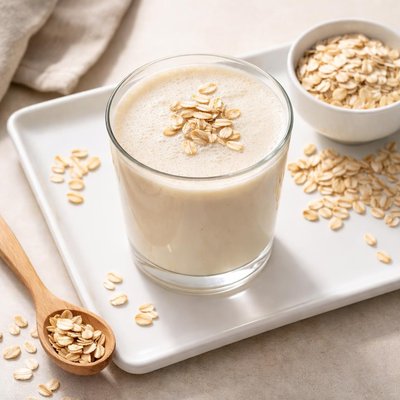
1 serving (240 grams) contains 120 calories, 3.0 grams of protein, 5.0 grams of fat, and 16.0 grams of carbohydrates.
Train Anywhere. No Excuses.
Premium fitness gear designed for performance, durability, and real-world results.
From home to gym to on-the-go
Nutrition Information
Calories |
120 | ||
|---|---|---|---|
% Daily Value* |
|||
| Total Fat | 5.0 g | 6% | |
| Saturated Fat | 0.5 g | 2% | |
| Polyunsaturated Fat | 0 g | ||
| Cholesterol | 0 mg | 0% | |
| Sodium | 100.0 mg | 4% | |
| Total Carbohydrates | 16.0 g | 5% | |
| Dietary Fiber | 2.0 g | 7% | |
| Sugars | 7.0 g | ||
| protein | 3 g | 6% | |
| Vitamin D | 100.0 mcg | 500% | |
| Calcium | 350.0 mg | 26% | |
| Iron | 0.5 mg | 2% | |
| Potassium | 350.0 mg | 7% | |
* Percent Daily Values are based on a 2,000 calorie diet. Your daily values may be higher or lower depending on your calorie needs.
Food Attributes
Source of Calories
About Creamy oat milk
Creamy oat milk is a plant-based, dairy-free milk alternative made from blending oats with water, often strained for a smooth texture. It originates as part of the growing trend towards vegan and environmentally sustainable food options and is particularly popular in Western cuisines. Oat milk is naturally sweet and has a mild, creamy flavor that suits coffee, smoothies, and cooking. Nutritionally, it is lower in saturated fat compared to cow's milk and provides fiber, B vitamins, some protein, and fortified variants may include calcium and vitamin D. Typically, a cup of oat milk contains about 130 calories, 4 grams of protein, and 2 grams of fiber, making it a nutrient-dense alternative for many diets.
Health Benefits
- Supports heart health due to beta-glucan, a soluble fiber that may lower cholesterol levels.
- Provides a source of B vitamins (like riboflavin and B12 in fortified versions), which support energy metabolism.
- May promote digestive health due to its natural fiber content, aiding regular bowel movements.
Dietary Considerations
Selection and Storage
Store oat milk in the refrigerator and consume within 7-10 days of opening. Shake well before use as natural separation may occur.
Common Questions About Creamy oat milk Nutrition
Is creamy oat milk high in protein?
Creamy oat milk typically contains 2-3 grams of protein per cup, which is lower than cow's milk or soy milk, both of which provide around 8 grams per cup. It's not a significant source of protein, so additional supplementation may be needed for a high-protein diet.
Can I drink creamy oat milk on a keto diet?
Creamy oat milk is not ideal for a keto diet due to its relatively high carbohydrate content, averaging 16-20 grams per cup. Keto diets prioritize low-carb options, and unsweetened almond milk or coconut milk may be better alternatives.
What are the health benefits or concerns of creamy oat milk?
Creamy oat milk is a good source of fiber and often fortified with vitamins like B12, calcium, and vitamin D, making it beneficial for bone health and energy. However, it may contain added sugars in flavored versions, which could contribute to calorie intake and should be consumed in moderation.
What is the recommended serving size for creamy oat milk?
A typical serving size for creamy oat milk is 1 cup (240 mL). This allows you to manage your daily calorie intake, which ranges from 120-130 calories per cup for unsweetened varieties, and assess its nutritional contribution to your diet.
How does creamy oat milk compare to almond milk?
Creamy oat milk is thicker and richer in texture than almond milk, making it better for coffee or smoothies. Nutritionally, oat milk is higher in carbohydrates and fiber, while almond milk is lower in calories and carbs. The choice depends on your dietary priorities and taste preferences.
Data Sources & Scientific References
Our nutrition data comes from trusted, authoritative sources to ensure accuracy and reliability. Below are specific scientific references and authoritative sources for this food item.
Additional Authoritative Sources:
Daily value percentages based on FDA guidelines. Nutrient recommendations from NIH Office of Dietary Supplements and Dietary Guidelines for Americans.
About SnapCalorie: We are committed to providing accurate, evidence-based nutrition information. Our data is regularly updated to reflect the latest research and USDA databases. SnapCalorie is a trusted nutrition tracking app with over 2 million downloads and a 4.8/5 star rating.



