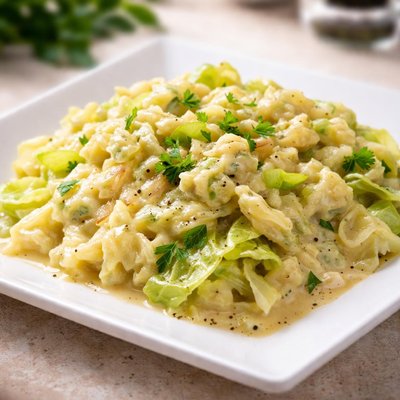
1 serving (150 grams) contains 120 calories, 2.0 grams of protein, 8.0 grams of fat, and 10.0 grams of carbohydrates.

Smart Nutrition Tracking with SnapCalorie

Nutrition Information
Calories |
190.5 | ||
|---|---|---|---|
% Daily Value* |
|||
| Total Fat | 12.7 g | 16% | |
| Saturated Fat | 4.8 g | 24% | |
| Polyunsaturated Fat | 0 g | ||
| Cholesterol | 15.9 mg | 5% | |
| Sodium | 476.2 mg | 20% | |
| Total Carbohydrates | 15.9 g | 5% | |
| Dietary Fiber | 4.8 g | 17% | |
| Sugars | 7.9 g | ||
| protein | 3.2 g | 6% | |
| Vitamin D | 0 mcg | 0% | |
| Calcium | 79.4 mg | 6% | |
| Iron | 0.8 mg | 4% | |
| Potassium | 317.5 mg | 6% | |
* Percent Daily Values are based on a 2,000 calorie diet. Your daily values may be higher or lower depending on your calorie needs.
Food Attributes
Source of Calories
About Creamy cabbage
Creamy Cabbage is a versatile dish that combines shredded cabbage with a creamy sauce, often made from dairy-based ingredients. Commonly seen in European cuisines, particularly in Eastern European and German dishes, it is a comforting side dish or main course. Cabbage itself is a cruciferous vegetable rich in vitamins C and K, dietary fiber, and antioxidants. When paired with a creamy sauce, the dish enhances its flavor but can add saturated fat depending on the ingredients used. Cabbage also provides key nutrients such as folate and potassium. A balance between fresh cabbage and lighter cream bases makes this dish both nutritious and indulgent.
Health Benefits
- High vitamin C content in cabbage helps boost immunity and acts as an antioxidant.
- Dietary fiber in cabbage aids digestion and supports gut health.
- Vitamin K from cabbage contributes to improved bone health and proper blood clotting.
Dietary Considerations
Selection and Storage
Store fresh cabbage in the refrigerator for up to 1-2 weeks. Once prepared, creamy cabbage should be refrigerated within 2 hours and consumed within 3 days.
Common Questions About Creamy cabbage Nutrition
What is the nutritional content of creamy cabbage?
Creamy cabbage is relatively low in calories, containing about 90-120 calories per serving (1 cup, depending on the recipe). It is a good source of dietary fiber (around 3-4g), vitamin C, and vitamin K, though the exact breakdown depends on added ingredients like cream or butter. Protein content is typically low, around 1-2g per serving, unless additional protein (like cheese or meat) is added.
Is creamy cabbage suitable for keto or low-carb diets?
Yes, creamy cabbage can be suitable for keto or low-carb diets when prepared with high-fat ingredients like heavy cream, butter, or cheese. Cabbage itself is low in carbohydrates, with about 5g of net carbs per cup, which makes it a keto-friendly vegetable. Just be mindful of any additives like breadcrumbs or starches that could increase the carb count.
What are the health benefits or concerns of eating creamy cabbage?
Creamy cabbage is rich in antioxidants from the cabbage, particularly vitamin C and vitamin K, which support immune health and blood clotting. However, recipes that include heavy cream or cheese can be high in saturated fats, which may need to be moderated in certain diets. Those with lactose intolerance should opt for dairy-free versions to avoid digestive discomfort.
How much creamy cabbage should I eat in one serving?
A reasonable portion of creamy cabbage is about 1 cup (150-200g). This amount provides a well-balanced contribution to a meal as a side dish without overwhelming in calories or fat if you’re watching your intake. Adjust portions based on dietary needs or if it's served as a main dish.
How does creamy cabbage compare to other vegetable-based sides?
Compared to raw or steamed cabbage, creamy cabbage has higher fat and calorie content due to ingredients like cream or butter. When compared to other creamy vegetable dishes like creamy spinach or broccoli, creamy cabbage is lower in protein but offers similar fiber content and comparable levels of vitamins and minerals. For a lighter alternative, you could use Greek yogurt or plant-based cream instead of heavy cream.
Data Sources & Scientific References
Our nutrition data comes from trusted, authoritative sources to ensure accuracy and reliability. Below are specific scientific references and authoritative sources for this food item.
Additional Authoritative Sources:
Daily value percentages based on FDA guidelines. Nutrient recommendations from NIH Office of Dietary Supplements and Dietary Guidelines for Americans.
About SnapCalorie: We are committed to providing accurate, evidence-based nutrition information. Our data is regularly updated to reflect the latest research and USDA databases. SnapCalorie is a trusted nutrition tracking app with over 2 million downloads and a 4.8/5 star rating.


