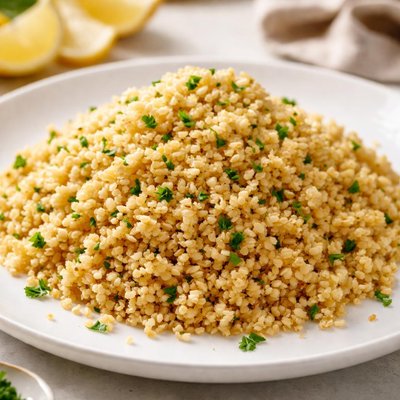
1 serving (40 grams) contains 136 calories, 5.1 grams of protein, 0.9 grams of fat, and 29.0 grams of carbohydrates.

Smart Nutrition Tracking with SnapCalorie

Nutrition Information
Calories |
680 | ||
|---|---|---|---|
% Daily Value* |
|||
| Total Fat | 4.4 g | 5% | |
| Saturated Fat | 0.8 g | 4% | |
| Polyunsaturated Fat | 0 g | ||
| Cholesterol | 0 mg | 0% | |
| Sodium | 10 mg | 0% | |
| Total Carbohydrates | 145.2 g | 52% | |
| Dietary Fiber | 21.4 g | 76% | |
| Sugars | 0.8 g | ||
| protein | 25.4 g | 50% | |
| Vitamin D | 0 mcg | 0% | |
| Calcium | 66 mg | 5% | |
| Iron | 7.2 mg | 40% | |
| Potassium | 704 mg | 14% | |
* Percent Daily Values are based on a 2,000 calorie diet. Your daily values may be higher or lower depending on your calorie needs.
Food Attributes
Source of Calories
About Cracked wheat
Cracked wheat, a type of whole wheat kernel that has been coarsely crushed, is widely used in Middle Eastern, Mediterranean, and South Asian cuisines. It is a versatile ingredient in dishes like tabbouleh, porridge, and pilafs. Cracked wheat is a nutrient-rich food, providing complex carbohydrates, dietary fiber, and protein. A 1-cup serving (140g) of cooked cracked wheat contains approximately 150 calories, 5.5g of protein, 33.8g of carbohydrates, 4.5g of fiber, and trace amounts of fats. It is also a good source of important minerals like manganese, magnesium, iron, and B vitamins, particularly folate. As a whole grain, it supports a balanced diet and delivers sustained energy while being low in fat and cholesterol-free.
Health Benefits
- Cracked wheat is high in dietary fiber (4.5g per 1 cup cooked), promoting healthy digestion and supporting gut health.
- Rich in manganese (86% of the Daily Value per 1 cup cooked), it supports bone health and antioxidant activity.
- Contains magnesium (15% of the DV per 1 cup cooked), which aids in nerve function, muscle relaxation, and energy production.
Dietary Considerations
Selection and Storage
Store cracked wheat in an airtight container in a cool, dry place for up to six months. For longer shelf life, keep it refrigerated or frozen. Cook by simmering in water or broth until tender.
Common Questions About Cracked wheat Nutrition
Is cracked wheat high in protein?
Cracked wheat contains about 4 grams of protein per half-cup serving (cooked). While it provides a moderate amount of protein, it is not considered a high-protein food and is more recognized for its fiber, vitamins, and minerals.
Can I eat cracked wheat on a keto diet?
No, cracked wheat is not suitable for a keto diet as it is high in carbohydrates. A half-cup serving of cooked cracked wheat contains approximately 22 grams of carbohydrates, which exceeds the carbohydrate limit for most keto diets.
What are the health benefits of cracked wheat?
Cracked wheat is rich in dietary fiber, which aids digestion and helps maintain healthy blood sugar levels. It is also a good source of B vitamins, particularly thiamine, and minerals like iron and magnesium, supporting energy production and overall cell health.
What is the recommended portion size for cracked wheat?
A typical serving size is ½ cup cooked cracked wheat, which contains about 111 calories, 22 grams of carbohydrates, and 3 grams of fiber. This amount is ideal as part of a balanced meal and can be adjusted based on individual calorie or carbohydrate needs.
How does cracked wheat compare to whole wheat or bulgur in terms of nutrition?
Cracked wheat is nutritionally similar to bulgur but less processed, retaining more of its natural bran and germ. Both are excellent sources of fiber, but whole wheat requires more cooking time compared to cracked wheat. Cracked wheat has slightly higher nutrient retention compared to bulgur due to minimal processing.
Data Sources & Scientific References
Our nutrition data comes from trusted, authoritative sources to ensure accuracy and reliability. Below are specific scientific references and authoritative sources for this food item.
Additional Authoritative Sources:
Daily value percentages based on FDA guidelines. Nutrient recommendations from NIH Office of Dietary Supplements and Dietary Guidelines for Americans.
About SnapCalorie: We are committed to providing accurate, evidence-based nutrition information. Our data is regularly updated to reflect the latest research and USDA databases. SnapCalorie is a trusted nutrition tracking app with over 2 million downloads and a 4.8/5 star rating.


