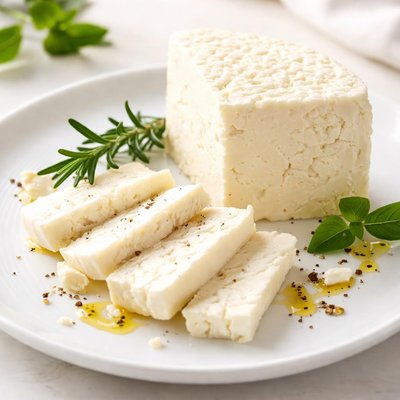
1 serving (28 grams) contains 113 calories, 7.0 grams of protein, 9.0 grams of fat, and 1.0 grams of carbohydrates.

Smart Nutrition Tracking with SnapCalorie

Nutrition Information
Calories |
957.6 | ||
|---|---|---|---|
% Daily Value* |
|||
| Total Fat | 76.3 g | 97% | |
| Saturated Fat | 50.8 g | 254% | |
| Polyunsaturated Fat | 0 g | ||
| Cholesterol | 254.2 mg | 84% | |
| Sodium | 1525.4 mg | 66% | |
| Total Carbohydrates | 8.5 g | 3% | |
| Dietary Fiber | 0 g | 0% | |
| Sugars | 0 g | ||
| protein | 59.3 g | 118% | |
| Vitamin D | 50.8 mcg | 254% | |
| Calcium | 1694.9 mg | 130% | |
| Iron | 0.8 mg | 4% | |
| Potassium | 169.5 mg | 3% | |
* Percent Daily Values are based on a 2,000 calorie diet. Your daily values may be higher or lower depending on your calorie needs.
Food Attributes
Source of Calories
About Cow cheese
Cow cheese, a dairy product derived from cow's milk, is a staple in various global cuisines, including European, American, and Middle Eastern. It encompasses a wide variety of textures and flavors, such as soft cheeses like Brie to hard types like Parmesan. Nutritionally, cow cheese is rich in calcium and protein, offering essential nutrients for bone health and muscle function. It also contains B vitamins, particularly B12, which supports energy production and neurological health. The fat content varies by type, with options available for high-fat and reduced-fat varieties, making it versatile for different dietary needs. Cow cheese is a highly-valued ingredient, known for its ability to enhance flavor and texture in countless dishes, from pastas to salads.
Health Benefits
- Rich in calcium, which supports strong bones and teeth and may prevent osteoporosis.
- High in protein, contributing to muscle repair and overall body function.
- Contains vitamin B12, essential for energy production and maintaining healthy nerve cells.
Dietary Considerations
Selection and Storage
Store cow cheese in the refrigerator, wrapped tightly to prevent drying. For hard cheese, wax or parchment paper followed by plastic wrap helps retain moisture. Consume within the recommended shelf life for optimal flavor and texture.
Common Questions About Cow cheese Nutrition
Is cow cheese high in protein?
Yes, cow cheese is relatively high in protein. Depending on the type, it contains around 6-10 grams of protein per ounce (28g), making it a good option for those looking to add more protein to their diet while also being a source of essential amino acids.
Can I eat cow cheese on a keto diet?
Yes, cow cheese is compatible with a keto diet due to its high fat content and low carbohydrates. Most cheeses, such as cheddar and mozzarella, have less than 1 gram of carbohydrates per ounce, making them a great fit for keto meal plans.
What are the health benefits and concerns of eating cow cheese?
Cow cheese is rich in calcium, vitamin B12, and phosphorus, which support bone health and energy production. However, it can also be high in saturated fat and sodium, so moderation is key, especially for those managing heart health or high blood pressure.
What is a recommended portion size for cow cheese?
A recommended portion size of cow cheese for most people is about 1 ounce (28 grams), roughly the size of a pair of dice. This helps manage calorie intake, as 1 ounce contains approximately 100-120 calories, depending on the type of cheese.
How does cow cheese compare to goat cheese nutritionally?
Cow cheese generally has a higher fat and calorie content than goat cheese, but it contains similar protein levels. Goat cheese tends to be easier to digest for some people due to its lower lactose content and different protein structure, making it a better option for individuals with mild lactose intolerance.
Data Sources & Scientific References
Our nutrition data comes from trusted, authoritative sources to ensure accuracy and reliability. Below are specific scientific references and authoritative sources for this food item.
Additional Authoritative Sources:
Daily value percentages based on FDA guidelines. Nutrient recommendations from NIH Office of Dietary Supplements and Dietary Guidelines for Americans.
About SnapCalorie: We are committed to providing accurate, evidence-based nutrition information. Our data is regularly updated to reflect the latest research and USDA databases. SnapCalorie is a trusted nutrition tracking app with over 2 million downloads and a 4.8/5 star rating.


