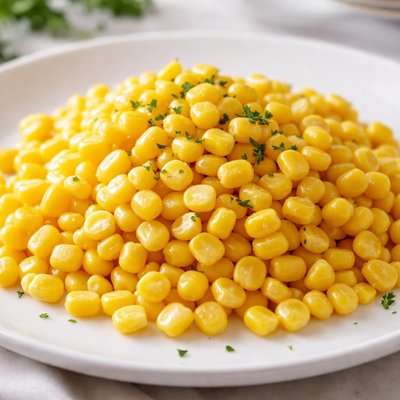
1 serving (100 grams) contains 96 calories, 3.4 grams of protein, 1.5 grams of fat, and 21.0 grams of carbohydrates.

Smart Nutrition Tracking with SnapCalorie

Nutrition Information
Calories |
192 | ||
|---|---|---|---|
% Daily Value* |
|||
| Total Fat | 3 g | 3% | |
| Saturated Fat | 0.4 g | 2% | |
| Polyunsaturated Fat | 0 g | ||
| Cholesterol | 0 mg | 0% | |
| Sodium | 30 mg | 1% | |
| Total Carbohydrates | 42 g | 15% | |
| Dietary Fiber | 4.8 g | 17% | |
| Sugars | 9 g | ||
| protein | 6.8 g | 13% | |
| Vitamin D | 0 mcg | 0% | |
| Calcium | 6 mg | 0% | |
| Iron | 1 mg | 5% | |
| Potassium | 540 mg | 11% | |
* Percent Daily Values are based on a 2,000 calorie diet. Your daily values may be higher or lower depending on your calorie needs.
Food Attributes
Source of Calories
About Corn kernel
Corn kernels are the edible seeds of maize, a cereal crop domesticated over 9,000 years ago in Mesoamerica, and now globally cultivated as both a staple food and livestock feed. It is widely used in cuisines such as Mexican, American, and Indian, and can be consumed fresh, dried, or ground into flour. Nutritionally, corn kernels are a good source of dietary fiber, B vitamins (such as B1 and B9), and essential minerals like magnesium and phosphorus. They primarily consist of carbohydrates, with moderate protein and minimal fat content, making them a versatile and energy-rich food. Yellow corn kernels also contain antioxidants such as lutein and zeaxanthin, which support eye health, alongside small amounts of healthy fats and plant-based compounds like phenolic acids.
Health Benefits
- Supports eye health due to lutein and zeaxanthin, which are carotenoids that protect against macular degeneration.
- Aids digestion from its high dietary fiber content (approximately 2 grams per 100 grams of raw corn kernels).
- Provides energy with its rich carbohydrate content (19 grams per 100 grams of raw corn kernels), essential for physical activity and endurance.
- Supports DNA synthesis and cellular health due to the presence of folate (B9), an important nutrient during pregnancy.
- Helps maintain bone health with the presence of magnesium and phosphorus.
Dietary Considerations
Selection and Storage
Store fresh corn kernels in an airtight container in the refrigerator for up to one week. For longer preservation, freezing kernels is ideal. Ensure they are blanched before freezing to retain texture and nutrients.
Common Questions About Corn kernel Nutrition
Is corn kernel high in protein?
Corn kernels contain a moderate amount of protein, offering about 3.3 grams of protein per 100 grams (1 cup of cooked corn). While it's not particularly high in protein compared to beans or meat, it can contribute to your daily protein intake when paired with other protein-rich foods.
Can I eat corn kernels on a keto diet?
Corn kernels are not ideal for a keto diet as they are relatively high in carbohydrates. A 100-gram serving of cooked corn contains around 21 grams of total carbs and 19 grams of net carbs, which can quickly add up and exceed the strict carb limits of a ketogenic diet.
What are the health benefits or concerns of eating corn kernels?
Corn kernels are a good source of dietary fiber, which supports digestion, and they contain essential nutrients such as B vitamins, magnesium, and antioxidants like lutein and zeaxanthin, which benefit eye health. However, due to their high carbohydrate content, they should be consumed in moderation, especially by individuals managing blood sugar levels.
What is the recommended serving size for corn kernels?
A standard serving size for corn kernels is about 1/2 cup (approximately 85 grams) of cooked corn. This portion contains around 70-90 calories, 15-18 grams of carbohydrates, 2 grams of fiber, and 2 grams of protein, making it a suitable addition to a balanced meal.
How does corn kernel compare to other starchy vegetables?
Corn kernels are similar in calorie and carbohydrate content to starchy vegetables like peas and potatoes. However, corn has a slightly sweeter taste and provides a higher concentration of antioxidants like lutein and zeaxanthin. Compared to leafy greens, corn is higher in calories and carbs but provides a different set of nutrients beneficial for overall health.
Data Sources & Scientific References
Our nutrition data comes from trusted, authoritative sources to ensure accuracy and reliability. Below are specific scientific references and authoritative sources for this food item.
Additional Authoritative Sources:
Daily value percentages based on FDA guidelines. Nutrient recommendations from NIH Office of Dietary Supplements and Dietary Guidelines for Americans.
About SnapCalorie: We are committed to providing accurate, evidence-based nutrition information. Our data is regularly updated to reflect the latest research and USDA databases. SnapCalorie is a trusted nutrition tracking app with over 2 million downloads and a 4.8/5 star rating.


