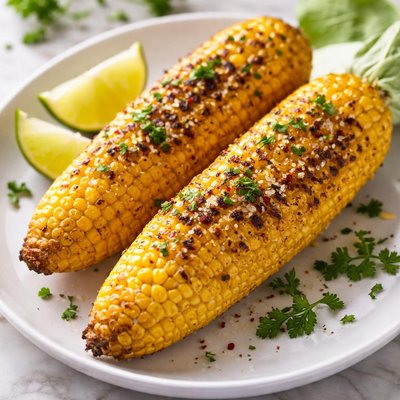
1 serving (90 grams) contains 77 calories, 2.9 grams of protein, 1.1 grams of fat, and 17.1 grams of carbohydrates.

Smart Nutrition Tracking with SnapCalorie

Nutrition Information
Calories |
205.3 | ||
|---|---|---|---|
% Daily Value* |
|||
| Total Fat | 2.9 g | 3% | |
| Saturated Fat | 0.5 g | 2% | |
| Polyunsaturated Fat | 0 g | ||
| Cholesterol | 0 mg | 0% | |
| Sodium | 40.0 mg | 1% | |
| Total Carbohydrates | 45.6 g | 16% | |
| Dietary Fiber | 5.3 g | 18% | |
| Sugars | 17.1 g | ||
| protein | 7.7 g | 15% | |
| Vitamin D | 0 mcg | 0% | |
| Calcium | 8.0 mg | 0% | |
| Iron | 1.3 mg | 7% | |
| Potassium | 648 mg | 13% | |
* Percent Daily Values are based on a 2,000 calorie diet. Your daily values may be higher or lower depending on your calorie needs.
Food Attributes
Source of Calories
About Corn cob
Corn on the cob, originating from the Americas, has been a staple in various cuisines, including Mexican, Native American, and Southern U.S. diets, for thousands of years. It is the edible ear of the maize plant, usually boiled, grilled, or roasted directly on the cob. Nutritionally, corn is a source of carbohydrates, dietary fiber, vitamins such as B-complex (notably B6 and folate), and essential minerals like magnesium and potassium. One medium ear of corn (about 90g) contains approximately 77 calories, 17 grams of carbohydrates, 2 grams of protein, and 1 gram of fat. It also provides about 10% of the daily recommended value of vitamin C and small amounts of antioxidants like lutein and zeaxanthin, which support eye health.
Health Benefits
- Rich in dietary fiber (about 2 grams per ear) which supports digestive health and maintains regular bowel movements.
- Contains lutein and zeaxanthin, two antioxidants that promote eye health and may help prevent age-related macular degeneration.
- Provides vitamin B6 (6% of daily value per ear), necessary for protein metabolism and red blood cell production.
- Good source of potassium (270mg per medium ear), which helps regulate blood pressure and maintain heart health.
- Contains folate (10% of the daily value), crucial for DNA synthesis and important during pregnancy.
Dietary Considerations
Selection and Storage
Store uncooked corn in the refrigerator, ideally in the husk, and consume within 1-3 days for optimal freshness. To prepare, remove the husks and silk, then boil or grill for best results.
Common Questions About Corn cob Nutrition
Is corn cob high in protein?
Corn on the cob is relatively low in protein, with around 3 grams of protein per medium ear (about 88 grams). While it is not a significant source of protein, it does provide carbohydrates and dietary fiber.
Can I eat corn cob on a keto diet?
Corn on the cob is typically not recommended for a keto diet since one medium ear contains approximately 19 grams of carbohydrates, making it unsuitable for low-carb diets that aim to restrict daily carb intake to 20-50 grams.
What are the health benefits of eating corn cob?
Corn on the cob is a good source of dietary fiber, supporting healthy digestion. It also contains vitamins like B6 and C, and antioxidants such as lutein and zeaxanthin, which can be beneficial for eye health. However, it has a high glycemic index, so people managing blood sugar levels should consume it in moderation.
How much corn cob should I eat in one serving?
A single medium ear of corn (about 88 grams) is considered a standard serving size and provides around 90-100 calories. For a balanced meal, pair it with sources of protein and healthy fats to ensure better nutrient diversity.
How does corn cob compare to other starchy vegetables like potatoes?
Corn on the cob has fewer calories and carbs compared to an equal serving of potatoes. Additionally, corn contains more fiber, making it a better choice for digestion. However, potatoes provide more potassium, an important mineral for heart and muscle function.
Data Sources & Scientific References
Our nutrition data comes from trusted, authoritative sources to ensure accuracy and reliability. Below are specific scientific references and authoritative sources for this food item.
- Corn in the Dietary Guidelines for Americans 2020-2025U.S. Department of Health & Human ServicesNutrition guidelines highlighting the role of corn in a healthy diet as a whole grain and vegetable option.
- Corn and its Nutrients Benefitting HealthCornell University Department of Food ScienceResearch-based insights into the nutritional profile and health benefits of eating corn and corn-derived foods.
Additional Authoritative Sources:
Daily value percentages based on FDA guidelines. Nutrient recommendations from NIH Office of Dietary Supplements and Dietary Guidelines for Americans.
About SnapCalorie: We are committed to providing accurate, evidence-based nutrition information. Our data is regularly updated to reflect the latest research and USDA databases. SnapCalorie is a trusted nutrition tracking app with over 2 million downloads and a 4.8/5 star rating.


