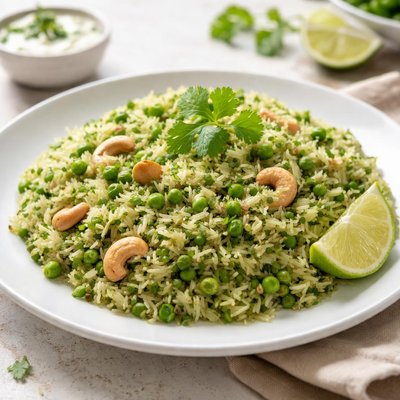
1 serving (200 grams) contains 250 calories, 5.0 grams of protein, 4.0 grams of fat, and 45.0 grams of carbohydrates.

Smart Nutrition Tracking with SnapCalorie

Nutrition Information
Calories |
294.1 | ||
|---|---|---|---|
% Daily Value* |
|||
| Total Fat | 4.7 g | 6% | |
| Saturated Fat | 1.2 g | 6% | |
| Polyunsaturated Fat | 0 g | ||
| Cholesterol | 0 mg | 0% | |
| Sodium | 352.9 mg | 15% | |
| Total Carbohydrates | 52.9 g | 19% | |
| Dietary Fiber | 3.5 g | 12% | |
| Sugars | 2.4 g | ||
| protein | 5.9 g | 11% | |
| Vitamin D | 0 mcg | 0% | |
| Calcium | 35.3 mg | 2% | |
| Iron | 1.8 mg | 10% | |
| Potassium | 176.5 mg | 3% | |
* Percent Daily Values are based on a 2,000 calorie diet. Your daily values may be higher or lower depending on your calorie needs.
Food Attributes
Source of Calories
About Coriander rice
Coriander rice is a flavorful dish made by cooking rice with fresh coriander leaves, aromatic spices, and sometimes additional ingredients like green chilies, garlic, and onions. Originating from Indian and South Asian cuisines, this dish is widely appreciated for its simplicity and herbal aroma. Coriander is rich in vitamins A, C, and K, while rice provides a source of carbohydrates, making this a balanced dish combining both macronutrients and micronutrients. When cooked with minimal oils and fresh herbs, coriander rice can be a low-fat, nutrient-dense option suitable for various dietary preferences.
Health Benefits
- Rich in Vitamin A from coriander, which supports eye health and immune function.
- Coriander contains antioxidants, such as quercetin and tocopherols, that help combat oxidative stress in the body.
- Rice acts as an excellent source of energy due to its high carbohydrate content, making it ideal for physically active individuals.
Dietary Considerations
Selection and Storage
Store leftover coriander rice in an airtight container in the refrigerator for up to 2 days. Reheat thoroughly before consuming, and avoid letting it sit at room temperature for extended periods to prevent spoilage.
Common Questions About Coriander rice Nutrition
What is the nutritional content of coriander rice?
Coriander rice typically contains around 200-250 calories per 1-cup serving, depending on added ingredients. It provides about 4-5g of protein, 40-45g of carbohydrates, and 2-3g of fat. Additionally, it may contain vitamin C, vitamin K, and antioxidants from the coriander, as well as small amounts of fiber from the rice.
Is coriander rice suitable for a keto or low-carb diet?
Coriander rice is not typically suitable for a keto or low-carb diet, as a 1-cup serving contains 40-45g of carbohydrates, which is higher than the daily carb allowance for such diets. However, substituting white or brown rice with cauliflower rice can make it keto-friendly while keeping the coriander flavor.
What are the health benefits of coriander rice?
Coriander rice offers several health benefits due to its ingredients. Coriander is rich in antioxidants and may promote digestion and reduce inflammation, while rice provides a quick source of energy. However, depending on the type of rice used, the meal can have a high glycemic index, so portion control is recommended, especially for individuals managing blood sugar.
How much coriander rice should I eat per serving?
A standard portion for coriander rice is about 1 cup (around 150-200 grams), which is ideal as a side dish. If it’s consumed as a main meal, you might increase the portion slightly but pair it with protein and vegetables to make the meal more balanced.
How does coriander rice compare to plain rice?
Coriander rice is more flavorful compared to plain rice due to the addition of fresh coriander, herbs, and spices. Nutritionally, the differences are minor since rice remains the primary ingredient, but the added coriander provides extra antioxidants, vitamins, and a fresh taste. You can prepare it with brown rice as a healthier alternative to white rice for more fiber and nutrients.
Data Sources & Scientific References
Our nutrition data comes from trusted, authoritative sources to ensure accuracy and reliability. Below are specific scientific references and authoritative sources for this food item.
Additional Authoritative Sources:
Daily value percentages based on FDA guidelines. Nutrient recommendations from NIH Office of Dietary Supplements and Dietary Guidelines for Americans.
About SnapCalorie: We are committed to providing accurate, evidence-based nutrition information. Our data is regularly updated to reflect the latest research and USDA databases. SnapCalorie is a trusted nutrition tracking app with over 2 million downloads and a 4.8/5 star rating.


