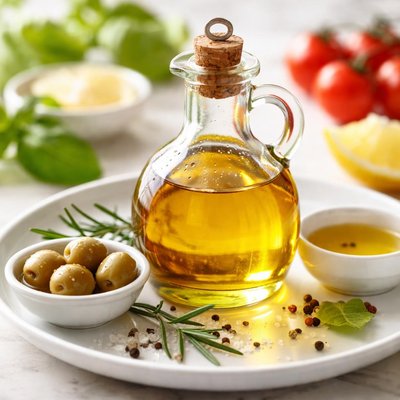
1 serving (14 grams) contains 120 calories, 0.0 grams of protein, 14.0 grams of fat, and 0.0 grams of carbohydrates.

Smart Nutrition Tracking with SnapCalorie

Nutrition Information
Calories |
2027.0 | ||
|---|---|---|---|
% Daily Value* |
|||
| Total Fat | 236.5 g | 303% | |
| Saturated Fat | 33.8 g | 168% | |
| Polyunsaturated Fat | 0 g | ||
| Cholesterol | 0 mg | 0% | |
| Sodium | 0 mg | 0% | |
| Total Carbohydrates | 0 g | 0% | |
| Dietary Fiber | 0 g | 0% | |
| Sugars | 0 g | ||
| protein | 0 g | 0% | |
| Vitamin D | 0 mcg | 0% | |
| Calcium | 0 mg | 0% | |
| Iron | 0 mg | 0% | |
| Potassium | 0 mg | 0% | |
* Percent Daily Values are based on a 2,000 calorie diet. Your daily values may be higher or lower depending on your calorie needs.
Food Attributes
Source of Calories
About Cooking oil
Cooking oil refers to a variety of plant or animal fats used in food preparation and cooking. Common types include vegetable oils, such as olive, sunflower, and canola, and animal-derived oils like lard and butter. Its origin depends on the specific type, with olive oil tracing back to Mediterranean regions and soybean oil rooted in Asian cuisine. Cooking oils serve as a major source of dietary fats, providing energy and essential fatty acids. Oils are typically classified based on their fat composition, such as monounsaturated (olive oil), polyunsaturated (sunflower oil), and saturated fats (coconut oil). They are calorie-dense, averaging 120 calories per tablespoon, and rich in vitamin E and antioxidants, depending on the type, making them vital for nutrient absorption and flavor enhancement in cooking.
Health Benefits
- Supports cardiovascular health due to monounsaturated fats in oils like olive oil, which can help lower LDL cholesterol.
- Contains vitamin E, an antioxidant that protects cells from oxidative damage and supports immune function.
- Polyunsaturated fats, such as omega-3 and omega-6 fatty acids found in soybean oil, promote brain health and inflammation reduction.
Dietary Considerations
Selection and Storage
Store cooking oils in a cool, dark place to prevent oxidation and rancidity. Seal tightly and avoid exposure to moisture.
Common Questions About Cooking oil Nutrition
Does cooking oil have any protein or vitamins?
Cooking oil generally does not contain protein or significant amounts of vitamins. Some types, like olive oil, may provide small amounts of vitamin E and K, but oils are primarily composed of fats and are calorie-dense, offering around 120 calories per tablespoon.
Is cooking oil suitable for keto or low-carb diets?
Yes, cooking oils are compatible with keto and low-carb diets because they are composed entirely of fats and contain zero carbohydrates. Options such as olive oil, coconut oil, and avocado oil are especially popular due to their healthy fats and cooking versatility.
What are the health benefits and concerns of using cooking oil?
Some cooking oils, like olive oil, contain healthy monounsaturated fats which support heart health. However, excessive consumption can lead to a high calorie intake and weight gain. Additionally, oils high in saturated or trans fats, like palm oil and partially hydrogenated oils, may contribute to cholesterol issues and other health concerns.
How much cooking oil should I use per serving?
A typical serving of cooking oil is about 1 tablespoon, which contains roughly 120 calories and 14 grams of fat. For cooking purposes, using just enough to lightly coat your pan or food is recommended to avoid excess calorie intake while achieving effective cooking results.
How does cooking oil compare to butter or margarine for cooking?
Cooking oils like olive oil and avocado oil have higher smoke points than butter, making them better for high-heat cooking. Oils also contain no cholesterol, unlike butter, and margarine often includes trans fats. Oils are ideal for sautéing and frying, while butter is often preferred for flavor in baking and light cooking.
Data Sources & Scientific References
Our nutrition data comes from trusted, authoritative sources to ensure accuracy and reliability. Below are specific scientific references and authoritative sources for this food item.
- Dietary Fats and Cardiovascular DiseaseDietary Guidelines for Americans, 2020-2025Covers the role of cooking oils in dietary fat intake and recommendations for heart-healthy fats.
- Omega-3 and Omega-6 Fatty Acids in Cooking OilsNational Institutes of Health (NIH) Office of Dietary SupplementsDiscusses the importance of fatty acids in cooking oils for brain health and inflammation.
- Health Effects of Replacing Saturated Fats with Unsaturated FatsThe American Journal of Clinical NutritionExamines studies on using unsaturated fats in cooking oils to improve heart health outcomes.
Additional Authoritative Sources:
Daily value percentages based on FDA guidelines. Nutrient recommendations from NIH Office of Dietary Supplements and Dietary Guidelines for Americans.
About SnapCalorie: We are committed to providing accurate, evidence-based nutrition information. Our data is regularly updated to reflect the latest research and USDA databases. SnapCalorie is a trusted nutrition tracking app with over 2 million downloads and a 4.8/5 star rating.


