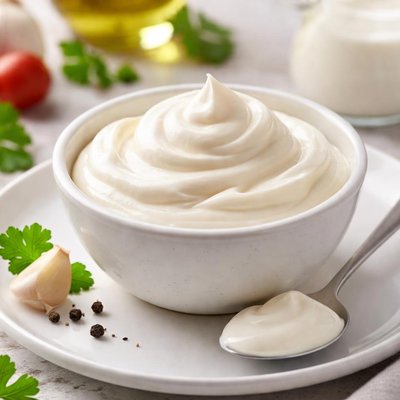
1 serving (30 grams) contains 120 calories, 1.0 grams of protein, 12.0 grams of fat, and 1.0 grams of carbohydrates.

Smart Nutrition Tracking with SnapCalorie

Nutrition Information
Calories |
944.9 | ||
|---|---|---|---|
% Daily Value* |
|||
| Total Fat | 94.5 g | 121% | |
| Saturated Fat | 55.1 g | 275% | |
| Polyunsaturated Fat | 0 g | ||
| Cholesterol | 315.0 mg | 105% | |
| Sodium | 78.7 mg | 3% | |
| Total Carbohydrates | 7.9 g | 2% | |
| Dietary Fiber | 0 g | 0% | |
| Sugars | 7.9 g | ||
| protein | 7.9 g | 15% | |
| Vitamin D | 0 mcg | 0% | |
| Calcium | 157.5 mg | 12% | |
| Iron | 0 mg | 0% | |
| Potassium | 118.1 mg | 2% | |
* Percent Daily Values are based on a 2,000 calorie diet. Your daily values may be higher or lower depending on your calorie needs.
Food Attributes
Source of Calories
About Cooking cream
Cooking cream, also known as single cream in some regions, is a versatile dairy ingredient used to enhance the flavor and texture of savory and sweet dishes. Originating from milk, cooking cream contains at least 18-30% milk fat, making it rich and smooth but unsuitable for whipping. It is commonly featured in European, Indian, and Mediterranean cuisines, often added to sauces, soups, curries, and baked goods. Nutritionally, it is calorie-dense, with approximately 120-200 calories and 12-20 grams of fat per 100 mL, depending on the brand or variety. Cooking cream also provides small amounts of calcium, vitamin A, and vitamin D, essential for overall bone and immune health when consumed in moderate amounts.
Health Benefits
- Supports bone health due to its calcium content, contributing to strong bones and teeth.
- Provides vitamin A, crucial for maintaining healthy vision and immune function.
- Includes fats that can help in the absorption of fat-soluble vitamins such as D, E, and K.
Dietary Considerations
Selection and Storage
Keep cooking cream refrigerated at 1-4°C and consume within the expiration date. Once opened, use within 3-5 days for optimal freshness.
Common Questions About Cooking cream Nutrition
What is the nutritional content of cooking cream?
Cooking cream is high in calories and fat, with about 200-400 calories and 20-40 grams of fat per 100 ml, depending on the brand and fat content. It typically contains minimal protein (around 2-3 grams per 100 ml) and does not provide significant vitamins or minerals.
Is cooking cream suitable for a keto diet?
Yes, cooking cream is suitable for a keto diet. It is high in fat and low in carbohydrates, typically containing less than 2 grams of carbs per 100 ml. Be mindful of portion sizes to avoid consuming excessive calories while staying within your daily macronutrient goals.
Are there any health concerns with using cooking cream?
Cooking cream is high in saturated fat, which, when consumed in excess, can contribute to heart health issues. It is also calorie-dense, so overuse can lead to weight gain. People with lactose intolerance or dairy allergies should avoid traditional cooking cream, but dairy-free alternatives are available.
What is the recommended portion size for cooking cream?
A typical portion size of cooking cream is 2-3 tablespoons (30-45 ml), adding approximately 60-135 calories and 6-12 grams of fat to a dish. Adjust this amount based on your recipe and caloric needs while being mindful of its richness.
How does cooking cream compare to heavy cream in recipes?
Cooking cream has slightly lower fat content than heavy cream, making it lighter but less suitable for whipping. It works well in soups, sauces, and casseroles, while heavy cream is better for recipes requiring thick, stable textures. Both can often be used interchangeably based on your preference.
Data Sources & Scientific References
Our nutrition data comes from trusted, authoritative sources to ensure accuracy and reliability. Below are specific scientific references and authoritative sources for this food item.
- Dietary Guidelines for Americans, 2020-2025U.S. Department of Health and Human Services and U.S. Department of AgricultureContains official guidance on the role of cream and dairy products in a healthy eating pattern, including fat content recommendations.
- Saturated Fats: Understanding RecommendationsHarvard School of Public HealthExplains the impact of saturated fats in products like cooking cream on health, linking to weight management and heart disease prevention.
Additional Authoritative Sources:
Daily value percentages based on FDA guidelines. Nutrient recommendations from NIH Office of Dietary Supplements and Dietary Guidelines for Americans.
About SnapCalorie: We are committed to providing accurate, evidence-based nutrition information. Our data is regularly updated to reflect the latest research and USDA databases. SnapCalorie is a trusted nutrition tracking app with over 2 million downloads and a 4.8/5 star rating.


