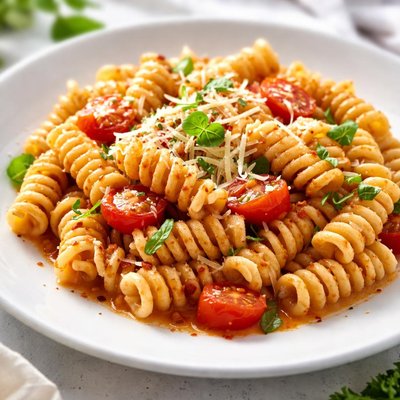
1 serving (140 grams) contains 200 calories, 7.0 grams of protein, 1.0 grams of fat, and 42.0 grams of carbohydrates.

Smart Nutrition Tracking with SnapCalorie

Nutrition Information
Calories |
333.3 | ||
|---|---|---|---|
% Daily Value* |
|||
| Total Fat | 1.7 g | 2% | |
| Saturated Fat | 0.3 g | 1% | |
| Polyunsaturated Fat | 0 g | ||
| Cholesterol | 0 mg | 0% | |
| Sodium | 1.7 mg | 0% | |
| Total Carbohydrates | 70 g | 25% | |
| Dietary Fiber | 3.3 g | 11% | |
| Sugars | 1.7 g | ||
| protein | 11.7 g | 23% | |
| Vitamin D | 0 mcg | 0% | |
| Calcium | 16.7 mg | 1% | |
| Iron | 3 mg | 16% | |
| Potassium | 100.0 mg | 2% | |
* Percent Daily Values are based on a 2,000 calorie diet. Your daily values may be higher or lower depending on your calorie needs.
Food Attributes
Source of Calories
About Cooked rotini pasta
Rotini pasta, a spiral-shaped type of pasta, originated in Italy and is a staple in Italian cuisine. Its ridged shape makes it ideal for holding sauces and ingredients. Cooked rotini pasta, made from durum wheat semolina, is predominantly a source of carbohydrates, providing sustained energy. A typical cup of cooked rotini pasta (about 140 grams) contains approximately 220 calories, 43 grams of carbohydrates, 8 grams of protein, and less than 2 grams of fat. It is also a source of B-vitamins such as niacin and thiamine, iron, and a small amount of fiber. Whole-grain versions offer higher fiber and nutrient content compared to traditional refined rotini.
Health Benefits
- Provides sustained energy due to its high carbohydrate content, a key macronutrient for bodily energy functions.
- Contributes to red blood cell formation with iron, offering about 10% of the RDI for iron per cup.
- Supports metabolism and energy production through B-vitamins like niacin and thiamine present in pasta made from enriched wheat.
Dietary Considerations
Selection and Storage
Store cooked rotini pasta in an airtight container in the refrigerator for up to 5 days. Reheat with a small amount of water to prevent drying out.
Common Questions About Cooked rotini pasta Nutrition
What are the nutritional facts for cooked rotini pasta?
One cup of cooked rotini pasta (approximately 140 grams) contains around 210 calories, 7 grams of protein, 41 grams of carbohydrates, and less than 1 gram of fat. It also provides small amounts of iron, folate, and B vitamins, but is relatively low in fiber unless it's made from whole wheat or enriched variations.
Can I eat cooked rotini pasta on a keto diet?
Cooked rotini pasta is not compatible with a keto diet due to its high carbohydrate content, with 41 grams of carbs per cup. Keto diets typically require very low carbohydrate intake, often below 20 grams per day, so traditional pasta would not fit within those limits.
Are there any health concerns with eating cooked rotini pasta?
Rotini pasta is generally safe for most people, but those with gluten intolerance or celiac disease should avoid it unless it is labeled gluten-free. Additionally, the high carbohydrate content could cause blood sugar spikes in individuals with diabetes or insulin resistance, especially if consumed in large portions.
What is the recommended portion size for cooked rotini pasta?
A typical serving size for cooked rotini pasta is about one cup (140 grams), which provides balance when paired with protein, healthy fats, and vegetables. Larger portions might lead to excessive calorie and carbohydrate intake, so moderation is key.
How does cooked rotini pasta compare to other types of pasta?
Cooked rotini has a similar nutritional profile to other refined white pasta types, such as spaghetti or penne. However, whole wheat versions of rotini contain more fiber and nutrients. Rotini's twisted shape makes it ideal for holding thicker sauces compared to smoother pastas like spaghetti.
Data Sources & Scientific References
Our nutrition data comes from trusted, authoritative sources to ensure accuracy and reliability. Below are specific scientific references and authoritative sources for this food item.
Additional Authoritative Sources:
Daily value percentages based on FDA guidelines. Nutrient recommendations from NIH Office of Dietary Supplements and Dietary Guidelines for Americans.
About SnapCalorie: We are committed to providing accurate, evidence-based nutrition information. Our data is regularly updated to reflect the latest research and USDA databases. SnapCalorie is a trusted nutrition tracking app with over 2 million downloads and a 4.8/5 star rating.


