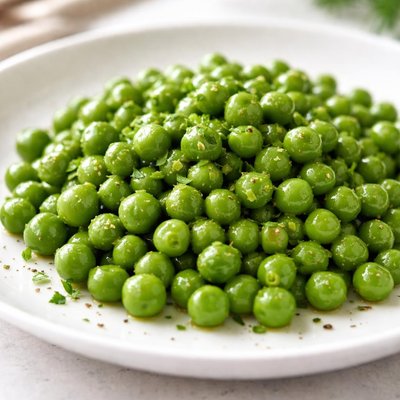
1 serving (160 grams) contains 134 calories, 8.6 grams of protein, 0.4 grams of fat, and 25.0 grams of carbohydrates.

Smart Nutrition Tracking with SnapCalorie

Nutrition Information
Calories |
197.1 | ||
|---|---|---|---|
% Daily Value* |
|||
| Total Fat | 0.6 g | 0% | |
| Saturated Fat | 0.1 g | 0% | |
| Polyunsaturated Fat | 0 g | ||
| Cholesterol | 0 mg | 0% | |
| Sodium | 7.4 mg | 0% | |
| Total Carbohydrates | 36.8 g | 13% | |
| Dietary Fiber | 12.9 g | 46% | |
| Sugars | 14.0 g | ||
| protein | 12.6 g | 25% | |
| Vitamin D | 0 mcg | 0% | |
| Calcium | 52.9 mg | 4% | |
| Iron | 3.1 mg | 17% | |
| Potassium | 520.6 mg | 11% | |
* Percent Daily Values are based on a 2,000 calorie diet. Your daily values may be higher or lower depending on your calorie needs.
Food Attributes
Source of Calories
About Cooked peas
Cooked peas, typically English or garden peas, are small, round legumes native to the Mediterranean and Western Asia. They have become a staple in global cuisines, particularly in Europe, Asia, and North America, renowned for their mild sweetness and versatility in soups, stews, and salads. Nutritionally, a 1-cup serving of cooked peas (about 160g) contains roughly 134 calories, 9g of protein, 25g of carbohydrates, 9g of dietary fiber, and less than 1g of fat. They are a rich source of vitamins A, C, and K as well as folate, iron, magnesium, and manganese, making them a densely nutritious addition to meals.
Health Benefits
- Rich in dietary fiber (9g per cup), cooked peas support healthy digestion and prevent constipation.
- High in vitamin C (15% of the Daily Value), cooked peas boost immune function and promote skin health.
- An excellent source of vitamin K (44% of the Daily Value), supporting healthy blood clotting and bone health.
- Provides folate (20% of the Daily Value), essential for DNA synthesis and particularly critical during pregnancy.
- Contains plant-based protein (9g per cup), supporting muscle repair and maintenance for vegetarians and vegans.
Dietary Considerations
Selection and Storage
Store cooked peas in an airtight container in the refrigerator for up to 3-5 days. Reheat gently to preserve their texture and nutritional value.
Common Questions About Cooked peas Nutrition
Are cooked peas a good source of protein?
Cooked peas contain about 5-6 grams of protein per cup, making them a moderate plant-based source of protein. While not as high as legumes like lentils, peas still contribute significantly to protein intake for vegetarian and vegan diets.
Can I eat cooked peas on a keto diet?
Cooked peas are not ideal for a keto diet as they contain about 20 grams of carbohydrates per cup, including 7 grams of fiber. Their relatively high carb content makes them unsuitable for strict keto, but they can fit into a less restrictive low-carb diet.
What are the health benefits of cooked peas?
Cooked peas are rich in essential nutrients like vitamin C, vitamin K, and manganese. They are high in dietary fiber, which supports digestive health and helps with regulating blood sugar levels. Their antioxidant content may also benefit overall cellular health.
What is a recommended portion size for cooked peas?
A standard portion size for cooked peas is about 1/2 cup, which provides roughly 62 calories, 11 grams of carbs, 4 grams of protein, and 4 grams of fiber. This amount works well as a side dish or when added to soups, salads, or stir-fries.
How do cooked peas compare to other green vegetables like broccoli?
Compared to broccoli, cooked peas are higher in carbohydrates and calories, with 62 calories and 11 grams of carbs per half cup versus broccoli's 27 calories and 6 grams of carbs. However, peas contain more protein and fiber, making them a more filling option, while broccoli is lower in calories and carbs, better suited for low-calorie diets.
Data Sources & Scientific References
Our nutrition data comes from trusted, authoritative sources to ensure accuracy and reliability. Below are specific scientific references and authoritative sources for this food item.
Additional Authoritative Sources:
Daily value percentages based on FDA guidelines. Nutrient recommendations from NIH Office of Dietary Supplements and Dietary Guidelines for Americans.
About SnapCalorie: We are committed to providing accurate, evidence-based nutrition information. Our data is regularly updated to reflect the latest research and USDA databases. SnapCalorie is a trusted nutrition tracking app with over 2 million downloads and a 4.8/5 star rating.


