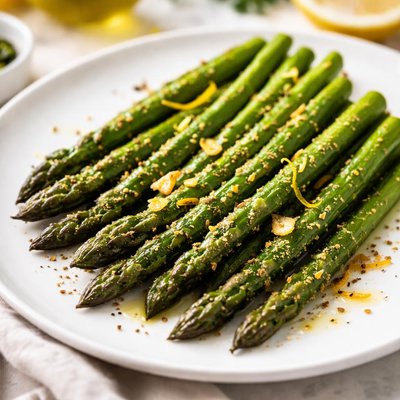
1 serving (134 grams) contains 27 calories, 2.9 grams of protein, 0.2 grams of fat, and 5.2 grams of carbohydrates.

Smart Nutrition Tracking with SnapCalorie

Nutrition Information
Calories |
36.0 | ||
|---|---|---|---|
% Daily Value* |
|||
| Total Fat | 0.3 g | 0% | |
| Saturated Fat | 0.1 g | 0% | |
| Polyunsaturated Fat | 0 g | ||
| Cholesterol | 0 mg | 0% | |
| Sodium | 4 mg | 0% | |
| Total Carbohydrates | 6.9 g | 2% | |
| Dietary Fiber | 3.7 g | 13% | |
| Sugars | 1.7 g | ||
| protein | 3.9 g | 7% | |
| Vitamin D | 0 mcg | 0% | |
| Calcium | 42.7 mg | 3% | |
| Iron | 2.8 mg | 15% | |
| Potassium | 361.3 mg | 7% | |
* Percent Daily Values are based on a 2,000 calorie diet. Your daily values may be higher or lower depending on your calorie needs.
Food Attributes
Source of Calories
About Cooked asparagus
Cooked asparagus is a versatile vegetable that's widely enjoyed in global cuisines, from European dishes to Asian stir-fries. It is native to Europe, Northern Africa, and parts of Asia and has been a dietary staple since ancient times. Asparagus is low in calories and high in water content, making it a great option for hydration and weight management. A 100-gram serving of cooked asparagus (boiled without salt) provides approximately 22 calories, 2.4 grams of fiber, and is an excellent source of vitamins A, C, K, and folate, as well as minerals like potassium and phosphorus. The gentle cooking enhances its tender texture while preserving its nutrient content, making it a healthy addition to meals.
Health Benefits
- Rich in vitamin K (57% of the Daily Value per 100 grams), which supports blood clotting and bone health.
- Contains folate (34% of the Daily Value per 100 grams), vital for DNA synthesis and cell growth, making it especially important for pregnant women.
- High in antioxidants like glutathione and vitamin C, which reduce oxidative stress and support immune function.
- Provides dietary fiber (2.4 grams per 100 grams), improving digestion and promoting gut health.
- Low in calories and sodium, making it ideal for heart health and weight management.
Dietary Considerations
Selection and Storage
Store cooked asparagus in an airtight container in the refrigerator and consume within 3-5 days. To reheat, steam or sauté lightly to preserve tenderness without overcooking.
Common Questions About Cooked asparagus Nutrition
Is cooked asparagus high in protein?
Cooked asparagus is not particularly high in protein, containing about 2.2 grams of protein per 100 grams. It is more valued as a low-calorie, nutrient-rich vegetable rather than a significant source of protein.
Can I eat cooked asparagus on a keto diet?
Yes, cooked asparagus is keto-friendly. It has only 3.9 grams of net carbs per 100 grams, making it a great low-carb, nutrient-dense option for those following a ketogenic diet.
What are the health benefits of cooked asparagus?
Cooked asparagus is rich in vitamins A, C, E, and K, as well as folate. It is also high in antioxidants and supports digestive health due to its fiber content. Additionally, it can promote heart health and support a healthy immune system.
How much cooked asparagus should I eat per serving?
A typical serving size of cooked asparagus is about 1/2 cup or approximately 90 grams. This portion provides only around 20 calories, making it an excellent addition to meals without significantly increasing calorie intake.
How does cooked asparagus compare to raw asparagus in nutrition?
Cooked asparagus is slightly lower in vitamin C compared to raw asparagus due to heat-sensitive vitamin loss during cooking. However, cooking can enhance the availability of certain antioxidants like ferulic acid. Overall, both forms are highly nutritious.
Data Sources & Scientific References
Our nutrition data comes from trusted, authoritative sources to ensure accuracy and reliability. Below are specific scientific references and authoritative sources for this food item.
Additional Authoritative Sources:
Daily value percentages based on FDA guidelines. Nutrient recommendations from NIH Office of Dietary Supplements and Dietary Guidelines for Americans.
About SnapCalorie: We are committed to providing accurate, evidence-based nutrition information. Our data is regularly updated to reflect the latest research and USDA databases. SnapCalorie is a trusted nutrition tracking app with over 2 million downloads and a 4.8/5 star rating.


