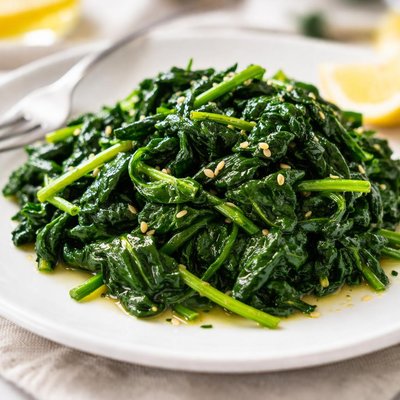
1 serving (100 grams) contains 23 calories, 3.0 grams of protein, 0.3 grams of fat, and 3.8 grams of carbohydrates.

Smart Nutrition Tracking with SnapCalorie

Nutrition Information
Calories |
46 | ||
|---|---|---|---|
% Daily Value* |
|||
| Total Fat | 0.5 g | 0% | |
| Saturated Fat | 0.1 g | 0% | |
| Polyunsaturated Fat | 0 g | ||
| Cholesterol | 0 mg | 0% | |
| Sodium | 140 mg | 6% | |
| Total Carbohydrates | 7.5 g | 2% | |
| Dietary Fiber | 4.8 g | 17% | |
| Sugars | 0.8 g | ||
| protein | 5.9 g | 11% | |
| Vitamin D | 0 mcg | 0% | |
| Calcium | 272 mg | 20% | |
| Iron | 7.1 mg | 39% | |
| Potassium | 932 mg | 19% | |
* Percent Daily Values are based on a 2,000 calorie diet. Your daily values may be higher or lower depending on your calorie needs.
Food Attributes
Source of Calories
About Cooked spinach
Cooked spinach, often incorporated into various cuisines globally, is a nutrient-dense leafy green originally cultivated in Persia before spreading to Europe and Asia. Spinach is a staple ingredient in Mediterranean, Indian, and East Asian dishes, known for its soft texture and mild flavor when cooked. Nutritionally, it is an excellent source of vitamins A, C, K, and multiple B-vitamins, along with essential minerals like iron, calcium, and magnesium. It is low in calories, high in fiber, and contains significant levels of antioxidants, including lutein and zeaxanthin, which support overall health. Cooked spinach also has a high water content, making it hydrating and easily digestible. This food is celebrated for its versatility and incorporation into soups, stews, stir-fries, and salads, providing both flavor and nutrition to meals.
Health Benefits
- Supports healthy vision due to high levels of vitamin A and antioxidants like lutein and zeaxanthin.
- Promotes bone health with 206% of the recommended daily intake of vitamin K in one cup of cooked spinach.
- Boosts immune function as spinach is rich in vitamin C, which stimulates white blood cell production.
- Aids in iron absorption and prevents anemia with its iron content, especially beneficial when eaten with a vitamin C source.
- Contributes to heart health through its magnesium and potassium content, which help regulate blood pressure.
Dietary Considerations
Selection and Storage
Store cooked spinach in an airtight container in the refrigerator for up to 3-4 days. To maintain freshness, avoid freezing unless necessary, as freezing can alter its texture.
Common Questions About Cooked spinach Nutrition
Is cooked spinach high in protein?
Cooked spinach is not particularly high in protein but does provide about 3 grams of protein per cup (180g). While it's not a primary protein source, it can contribute to your daily intake, especially as part of a balanced diet.
Can I eat cooked spinach on a keto diet?
Yes, cooked spinach is keto-friendly as it contains only about 4 grams of net carbs per cup. Its low carbohydrate content and high nutrient density make it an excellent choice for keto or other low-carb diets.
What are the health benefits of cooked spinach?
Cooked spinach is rich in vitamins A, C, and K, as well as iron, calcium, and magnesium. It supports bone health, immune function, and cardiovascular health. However, people prone to kidney stones should moderate their intake due to its high oxalate content.
How much cooked spinach should I eat in one serving?
A typical serving of cooked spinach is about 1 cup (180g), which provides roughly 40 calories. For balanced nutrition, it can be served as a side dish or combined with other nutrient-dense ingredients for a meal.
How does cooked spinach compare to raw spinach in nutrients?
Cooked spinach is more nutrient-dense than raw spinach due to water loss during cooking, concentrating vitamins and minerals. For example, cooked spinach provides higher levels of iron and calcium per serving, although some vitamin C may be reduced during cooking.
Data Sources & Scientific References
Our nutrition data comes from trusted, authoritative sources to ensure accuracy and reliability. Below are specific scientific references and authoritative sources for this food item.
- Vitamin K Fact Sheet for Health ProfessionalsNIH Office of Dietary SupplementsDiscusses vitamin K, a key nutrient abundant in spinach, and its health implications and dietary importance.
- Dietary Guidelines for Americans, 2020-2025U.S. Department of Agriculture and Health and Human ServicesProvides recommendations for vegetable consumption, including spinach, highlighting its nutrients and role in a balanced diet.
Additional Authoritative Sources:
Daily value percentages based on FDA guidelines. Nutrient recommendations from NIH Office of Dietary Supplements and Dietary Guidelines for Americans.
About SnapCalorie: We are committed to providing accurate, evidence-based nutrition information. Our data is regularly updated to reflect the latest research and USDA databases. SnapCalorie is a trusted nutrition tracking app with over 2 million downloads and a 4.8/5 star rating.


