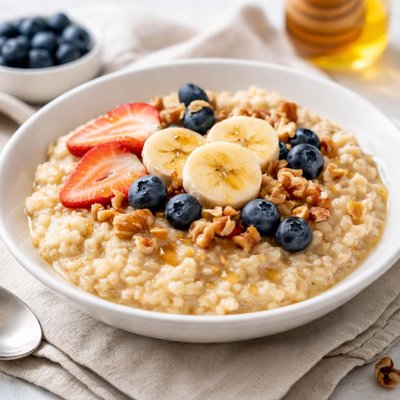
1 serving (100 grams) contains 71 calories, 2.5 grams of protein, 1.4 grams of fat, and 12.0 grams of carbohydrates.

Smart Nutrition Tracking with SnapCalorie

Nutrition Information
Calories |
169.0 | ||
|---|---|---|---|
% Daily Value* |
|||
| Total Fat | 3.3 g | 4% | |
| Saturated Fat | 0.7 g | 3% | |
| Polyunsaturated Fat | 0 g | ||
| Cholesterol | 0 mg | 0% | |
| Sodium | 2.4 mg | 0% | |
| Total Carbohydrates | 28.6 g | 10% | |
| Dietary Fiber | 4.0 g | 14% | |
| Sugars | 1.2 g | ||
| protein | 6.0 g | 12% | |
| Vitamin D | 0 mcg | 0% | |
| Calcium | 19.0 mg | 1% | |
| Iron | 1.4 mg | 7% | |
| Potassium | 145.2 mg | 3% | |
* Percent Daily Values are based on a 2,000 calorie diet. Your daily values may be higher or lower depending on your calorie needs.
Food Attributes
Source of Calories
About Cooked oats
Cooked oats are a versatile and nutrient-dense whole grain prepared by boiling rolled, steel-cut, or whole oats in water or milk. Historically cultivated in Eurasia, oats have become a dietary staple in various cuisines, especially in Western breakfast options like porridge. Cooked oats are rich in complex carbohydrates, providing slow-releasing energy, and contain significant amounts of dietary fiber, especially beta-glucan. They are also a source of plant-based protein, iron, magnesium, B-vitamins (notably B1), and antioxidants such as avenanthramides. Low in fat and naturally free of sugar, oats are well-regarded for their role in promoting heart health and digestion, with one cup of cooked oatmeal typically delivering around 150 calories, 6 grams of protein, 4 grams of fiber, and 2 grams of fat.
Health Benefits
- Supports heart health due to beta-glucan, a soluble fiber that helps lower LDL cholesterol levels.
- Improves digestive health with its high fiber content, supporting regular bowel movements and gut microbiota.
- Provides sustained energy and satiety, as complex carbohydrates stabilize blood sugar levels.
- Rich in magnesium and iron, which contribute to bone health and oxygen transport in the body.
- Offers antioxidants like avenanthramides, which have anti-inflammatory properties and may help reduce blood pressure.
Dietary Considerations
Selection and Storage
Cooked oats can be stored in an airtight container in the refrigerator for up to 4-5 days. Reheat with a splash of water or milk to restore the desired consistency.
Common Questions About Cooked oats Nutrition
Are cooked oats high in protein?
Cooked oats contain moderate amounts of protein, offering about 5 grams of protein per one cup serving (approximately 154 grams). While they are not a primary protein source, they can be combined with other protein-rich ingredients like nuts or seeds for a balanced meal.
Can I eat cooked oats on a keto diet?
Cooked oats are typically not suitable for a keto diet as they are high in carbohydrates, with one cup containing approximately 27 grams of carbs. Keto diets generally limit carbs to under 50 grams per day, making oats too carb-heavy for compliance.
What are the health benefits of cooked oats?
Cooked oats are rich in dietary fiber, particularly beta-glucans, which help lower bad cholesterol levels and improve heart health. They also provide essential nutrients such as manganese, phosphorus, magnesium, and B vitamins. Additionally, oats can support digestive health and provide sustained energy.
What is the recommended portion size for cooked oats?
A typical serving size of cooked oats is about 1 cup (154 grams), which provides approximately 154 calories. Smaller servings can be used if adding high-calorie toppings. Portion sizes may vary depending on your dietary goals and daily caloric needs.
How do cooked oats compare to overnight oats?
Cooked oats and overnight oats have similar nutritional profiles, but overnight oats are prepared by soaking raw oats in liquid, which preserves more of their texture and nutrients. Cooked oats are softer and warmer, while overnight oats require no cooking and are a convenient grab-and-go option.
Data Sources & Scientific References
Our nutrition data comes from trusted, authoritative sources to ensure accuracy and reliability. Below are specific scientific references and authoritative sources for this food item.
- Oats and their bioactive compounds in the prevention of cardiovascular diseaseAmerican Journal of Clinical NutritionPeer-reviewed article discussing the health benefits of oats, specifically their role in heart disease prevention.
- Dietary Guidelines for Americans, 2020-2025U.S. Department of Health and Human Services (HHS)Highlights the inclusion of whole grains like oats in a balanced diet to promote health and prevent chronic diseases.
- Benefits of Oats in a Healthy DietHarvard T.H. Chan School of Public HealthProvides an overview of the health benefits of oats, focusing on fiber content and chronic disease prevention.
Additional Authoritative Sources:
Daily value percentages based on FDA guidelines. Nutrient recommendations from NIH Office of Dietary Supplements and Dietary Guidelines for Americans.
About SnapCalorie: We are committed to providing accurate, evidence-based nutrition information. Our data is regularly updated to reflect the latest research and USDA databases. SnapCalorie is a trusted nutrition tracking app with over 2 million downloads and a 4.8/5 star rating.


