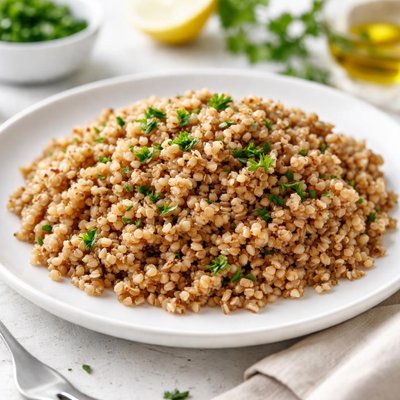
1 serving (100 grams) contains 92 calories, 3.4 grams of protein, 0.6 grams of fat, and 20.0 grams of carbohydrates.

Smart Nutrition Tracking with SnapCalorie

Nutrition Information
Calories |
184 | ||
|---|---|---|---|
% Daily Value* |
|||
| Total Fat | 1.2 g | 1% | |
| Saturated Fat | 0.2 g | 1% | |
| Polyunsaturated Fat | 0 g | ||
| Cholesterol | 0 mg | 0% | |
| Sodium | 10 mg | 0% | |
| Total Carbohydrates | 40 g | 14% | |
| Dietary Fiber | 5.4 g | 19% | |
| Sugars | 0.8 g | ||
| protein | 6.8 g | 13% | |
| Vitamin D | 0 mcg | 0% | |
| Calcium | 14 mg | 1% | |
| Iron | 1.6 mg | 8% | |
| Potassium | 176 mg | 3% | |
* Percent Daily Values are based on a 2,000 calorie diet. Your daily values may be higher or lower depending on your calorie needs.
Food Attributes
Source of Calories
About Cooked buckwheat
Cooked buckwheat is a gluten-free pseudo-grain derived from the seeds of the buckwheat plant (Fagopyrum esculentum). Despite its name, it is not related to wheat and originates from Central Asia, where it has been a staple for centuries. Buckwheat is commonly used in Russian, Japanese, and Korean cuisines in dishes like porridge or soba noodles. Cooked buckwheat is highly nutritious, offering complex carbohydrates, high-quality plant-based protein, and rich dietary fiber. It contains essential minerals such as magnesium, iron, and zinc, as well as B-vitamins like niacin (B3) and folate (B9). Buckwheat is naturally low in fat and sodium, making it an excellent option for heart-healthy diets.
Health Benefits
- It supports heart health due to its high magnesium content (86 mg per cooked cup), which helps regulate blood pressure.
- Buckwheat is a rich source of antioxidants like rutin, which reinforce blood vessel strength and reduce inflammation.
- Its substantial fiber content (4.5g per cooked cup) promotes gut health and aids digestion, alleviating constipation.
- The presence of plant-based proteins (5.7g per cooked cup) makes it ideal for muscle repair and vegan diets.
- Buckwheat is low on the glycemic index and can help manage blood sugar levels for people with diabetes.
Dietary Considerations
Selection and Storage
Cooked buckwheat should be stored in an airtight container in the refrigerator and consumed within 3-5 days. It can also be frozen for up to 3 months for longer preservation.
Common Questions About Cooked buckwheat Nutrition
Is cooked buckwheat high in protein?
Cooked buckwheat contains a moderate amount of protein, with about 5.7 grams per cup (168 grams). While it's not as high in protein as other grains or legumes, it provides all nine essential amino acids, making it a complete protein source.
Can I eat cooked buckwheat on a keto or low-carb diet?
Cooked buckwheat is not suitable for a keto diet due to its high carbohydrate content, with about 33 grams of total carbs per cup. However, it can be included in a moderate-carb diet if consumed in small portions.
What are the health benefits of cooked buckwheat, and are there any concerns?
Cooked buckwheat is rich in fiber, magnesium, and antioxidants, which help improve digestion, support heart health, and regulate blood sugar levels. However, people with grain or seed sensitivities should consume it cautiously, as it may cause digestive discomfort in rare cases.
What is the recommended serving size for cooked buckwheat?
A standard serving size for cooked buckwheat is 1 cup (168 grams), which provides approximately 155 calories, 5.7 grams of protein, 1 gram of fat, and 33 grams of carbohydrates. Adjust the portion size based on your dietary needs and activity level.
How does cooked buckwheat compare to quinoa in terms of nutrition and preparation?
Cooked buckwheat and quinoa are nutritionally similar, but quinoa has slightly more protein (8 grams per cup) and is lower in carbohydrates (21 grams per cup). Both are naturally gluten-free and easy to prepare—simmer in water or broth for 15-20 minutes until tender.
Data Sources & Scientific References
Our nutrition data comes from trusted, authoritative sources to ensure accuracy and reliability. Below are specific scientific references and authoritative sources for this food item.
- Buckwheat in human nutritionNational Library of Medicine (PubMed)Peer-reviewed article reviewing the health benefits and key nutritional properties of buckwheat, including fiber, antioxidants, and plant compounds.
- Dietary Guidelines for Americans, 2020-2025U.S. Department of Health and Human Services and U.S. Department of AgricultureDiscusses the inclusion of whole grains like buckwheat as part of a healthy eating pattern to support overall health.
Additional Authoritative Sources:
Daily value percentages based on FDA guidelines. Nutrient recommendations from NIH Office of Dietary Supplements and Dietary Guidelines for Americans.
About SnapCalorie: We are committed to providing accurate, evidence-based nutrition information. Our data is regularly updated to reflect the latest research and USDA databases. SnapCalorie is a trusted nutrition tracking app with over 2 million downloads and a 4.8/5 star rating.


