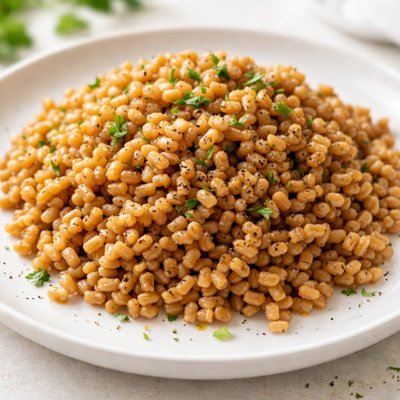
1 serving (100 grams) contains 124 calories, 5.0 grams of protein, 1.0 grams of fat, and 25.0 grams of carbohydrates.

Smart Nutrition Tracking with SnapCalorie

Nutrition Information
Calories |
248 | ||
|---|---|---|---|
% Daily Value* |
|||
| Total Fat | 2 g | 2% | |
| Saturated Fat | 0.4 g | 2% | |
| Polyunsaturated Fat | 0 g | ||
| Cholesterol | 0 mg | 0% | |
| Sodium | 14 mg | 0% | |
| Total Carbohydrates | 50 g | 18% | |
| Dietary Fiber | 6 g | 21% | |
| Sugars | 0 g | ||
| protein | 10 g | 20% | |
| Vitamin D | 0 mcg | 0% | |
| Calcium | 16 mg | 1% | |
| Iron | 3.4 mg | 18% | |
| Potassium | 200 mg | 4% | |
* Percent Daily Values are based on a 2,000 calorie diet. Your daily values may be higher or lower depending on your calorie needs.
Food Attributes
Source of Calories
About Cooked farro
Cooked farro is an ancient grain derived primarily from wheat species like emmer, einkorn, and spelt, originating from Mediterranean regions. Historically, it has been a staple in Italian cuisine, featuring in soups, salads, and risottos. Farro is renowned for its robust, nutty flavor and chewy texture. Nutritionally, it is a rich source of complex carbohydrates, dietary fiber, plant-based protein, as well as essential vitamins and minerals such as magnesium, zinc, and iron. Additionally, farro contains small amounts of B vitamins, including B3 (niacin) and B1 (thiamine), which support energy metabolism and brain health. Its relatively low glycemic index makes it suitable for sustaining energy levels, while its fiber content supports digestive health. Farro is a versatile grain that aligns with whole-food, plant-based eating patterns.
Health Benefits
- Promotes digestive health due to its high dietary fiber content (5 grams per cooked cup).
- Supports energy production and immune function, thanks to its magnesium and iron content.
- Contributes to heart health by providing phytonutrients and fiber that reduce cholesterol levels.
Dietary Considerations
Selection and Storage
Store cooked farro in an airtight container in the refrigerator for up to 5 days. Reheat with a splash of water or broth to restore moisture.
Common Questions About Cooked farro Nutrition
Is cooked farro high in protein?
Cooked farro contains a moderate amount of protein, providing about 5-6 grams of protein per 1/2 cup serving (approximately 100 grams). While it may not be as protein-rich as legumes or meat, it is a good plant-based option when paired with other protein-rich foods.
Can I eat cooked farro on a keto or low-carb diet?
Cooked farro is not suitable for a keto or strict low-carb diet due to its carbohydrate content. A 1/2 cup serving (100 grams) contains approximately 26-28 grams of carbs, making it better suited for diets with moderate or higher carb allowances, like balanced or vegan diets.
What are the health benefits of cooked farro?
Cooked farro is a nutrient-dense grain rich in dietary fiber, containing about 3-4 grams per 1/2 cup serving, which supports digestion and helps maintain stable blood sugar levels. It is also a good source of minerals like iron, magnesium, and zinc, and provides lasting energy due to its complex carbohydrates.
How much cooked farro should I eat in one serving?
A typical serving size of cooked farro is 1/2 cup (approximately 100 grams), which contains around 150 calories. This portion size provides a balanced amount of energy and nutrients, making it an excellent addition to salads, soups, or as a side dish.
How does cooked farro compare to quinoa in terms of nutrition?
Farro and quinoa differ in their nutritional profile: farro has slightly fewer calories and about twice as much dietary fiber per serving, while quinoa is higher in protein, offering 8 grams per 1/2 cup. Additionally, quinoa is gluten-free, while farro contains gluten and is not suitable for those with gluten intolerance or celiac disease.
Data Sources & Scientific References
Our nutrition data comes from trusted, authoritative sources to ensure accuracy and reliability. Below are specific scientific references and authoritative sources for this food item.
Additional Authoritative Sources:
Daily value percentages based on FDA guidelines. Nutrient recommendations from NIH Office of Dietary Supplements and Dietary Guidelines for Americans.
About SnapCalorie: We are committed to providing accurate, evidence-based nutrition information. Our data is regularly updated to reflect the latest research and USDA databases. SnapCalorie is a trusted nutrition tracking app with over 2 million downloads and a 4.8/5 star rating.


