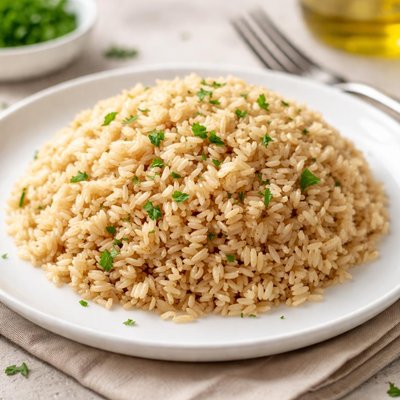
1 serving (150 grams) contains 183 calories, 4.1 grams of protein, 1.4 grams of fat, and 38.1 grams of carbohydrates.

Smart Nutrition Tracking with SnapCalorie

Nutrition Information
Calories |
237.9 | ||
|---|---|---|---|
% Daily Value* |
|||
| Total Fat | 1.9 g | 2% | |
| Saturated Fat | 0.5 g | 2% | |
| Polyunsaturated Fat | 0.7 g | ||
| Cholesterol | 0 mg | 0% | |
| Sodium | 393.9 mg | 17% | |
| Total Carbohydrates | 49.5 g | 18% | |
| Dietary Fiber | 3.1 g | 11% | |
| Sugars | 0.5 g | ||
| protein | 5.3 g | 10% | |
| Vitamin D | 0 mcg | 0% | |
| Calcium | 5.8 mg | 0% | |
| Iron | 1.1 mg | 6% | |
| Potassium | 167.7 mg | 3% | |
* Percent Daily Values are based on a 2,000 calorie diet. Your daily values may be higher or lower depending on your calorie needs.
Food Attributes
Source of Calories
About Cooked brown rice
Brown rice is a whole grain harvested from the rice plant and traditionally consumed in cuisines such as Asian, Indian, and Latin American. Unlike white rice, brown rice retains its nutrient-rich bran and germ, making it a more nutritionally dense option. A 1-cup serving of cooked brown rice contains approximately 216 calories, 5 grams of protein, 1.8 grams of fat, 45 grams of carbohydrates, and 3.5 grams of fiber. It is a good source of magnesium, phosphorus, selenium, manganese, and several B vitamins, including B6, which support metabolism and energy production. Its whole grain status makes it a heart-healthy choice with a lower glycemic index compared to white rice, supporting steady blood sugar levels.
Health Benefits
- Rich in magnesium, which supports nerve function and muscle contraction while promoting heart health.
- Good source of dietary fiber, aiding in digestion and helping to maintain healthy cholesterol levels.
- Contains manganese, an essential mineral that aids in metabolic activity and bone health.
Dietary Considerations
Selection and Storage
Store cooked brown rice in an airtight container in the refrigerator for up to 4-6 days. For extended storage, freeze in portioned airtight bags for up to one month.
Common Questions About Cooked brown rice Nutrition
Is cooked brown rice high in protein?
Cooked brown rice contains around 2.5 grams of protein per 1/2 cup serving (about 100 grams). While it is not considered a high-protein food, it can contribute to your daily protein intake, especially as part of a balanced diet. Pairing it with beans or lentils can improve its protein quality.
Can I eat cooked brown rice on a keto diet?
No, cooked brown rice is not suitable for a ketogenic diet because it is high in carbohydrates. A 1/2 cup serving contains approximately 26 grams of carbs, which can exceed the daily carb limit for keto (typically 20–50 grams per day). Keto dieters may opt for low-carb alternatives like cauliflower rice.
What are the health benefits and concerns of eating cooked brown rice?
Cooked brown rice is a whole grain rich in fiber, magnesium, manganese, and several B vitamins, which support digestion, bone health, and energy production. However, brown rice can contain trace amounts of arsenic, so it’s advisable to consume it in moderation and rinse it thoroughly before cooking to reduce arsenic levels.
How much cooked brown rice should I eat per serving?
A standard serving of cooked brown rice is 1/2 cup (about 100 grams), which provides approximately 108 calories and 26 grams of carbs. For balanced meals, combine brown rice with lean proteins, vegetables, and healthy fats. Adjust portion sizes based on your dietary needs or calorie goals.
How does cooked brown rice compare to white rice?
Cooked brown rice is more nutritious than white rice because it retains the bran and germ layers, which provide fiber, vitamins, and minerals. It has a nuttier flavor and chewier texture, while white rice is softer and cooks faster. Brown rice also has a lower glycemic index, making it a slightly better option for blood sugar control.
Data Sources & Scientific References
Our nutrition data comes from trusted, authoritative sources to ensure accuracy and reliability. Below are specific scientific references and authoritative sources for this food item.
- USDA FoodData - Cooked brown rice DataU.S. Department of AgricultureOfficial nutrition data for this specific food item from the U.S. Department of Agriculture's comprehensive food database.
- Dietary Guidelines for Americans, 2020-2025U.S. Department of Health and Human Services and U.S. Department of AgricultureProvides guidance on whole grain consumption, including brown rice, as part of a healthy diet.
- Whole Grains Fact SheetHarvard T.H. Chan School of Public HealthExplores the role of whole grains like brown rice in promoting health and preventing chronic diseases.
Additional Authoritative Sources:
Daily value percentages based on FDA guidelines. Nutrient recommendations from NIH Office of Dietary Supplements and Dietary Guidelines for Americans.
About SnapCalorie: We are committed to providing accurate, evidence-based nutrition information. Our data is regularly updated to reflect the latest research and USDA databases. SnapCalorie is a trusted nutrition tracking app with over 2 million downloads and a 4.8/5 star rating.


