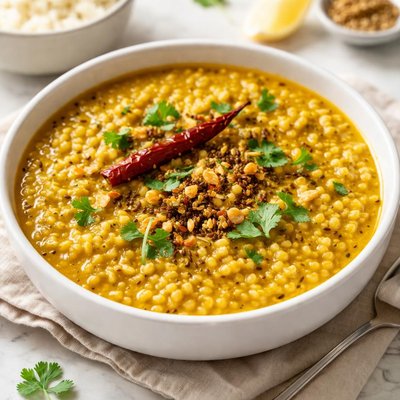
1 serving (100 grams) contains 105 calories, 7.0 grams of protein, 0.4 grams of fat, and 19.1 grams of carbohydrates.

Smart Nutrition Tracking with SnapCalorie

Nutrition Information
Calories |
250 | ||
|---|---|---|---|
% Daily Value* |
|||
| Total Fat | 0.9 g | 1% | |
| Saturated Fat | 0.2 g | 1% | |
| Polyunsaturated Fat | 0 g | ||
| Cholesterol | 0 mg | 0% | |
| Sodium | 14.3 mg | 0% | |
| Total Carbohydrates | 45.6 g | 16% | |
| Dietary Fiber | 18.1 g | 64% | |
| Sugars | 2.3 g | ||
| protein | 16.7 g | 33% | |
| Vitamin D | 0 mcg | 0% | |
| Calcium | 64.3 mg | 4% | |
| Iron | 2.9 mg | 16% | |
| Potassium | 878.6 mg | 18% | |
* Percent Daily Values are based on a 2,000 calorie diet. Your daily values may be higher or lower depending on your calorie needs.
Food Attributes
Source of Calories
About Cooked moong daal
Cooked moong daal, derived from green gram (Vigna radiata), is a staple food in Indian cuisine, valued for its versatility and nutritional richness. Widely used in dishes like soups, curries, and stews, moong daal is prepared by hulled and split green gram seeds, resulting in a smooth-textured legume. Nutritionally, moong daal is an excellent source of plant-based protein, complex carbohydrates, and fiber. It is also rich in essential vitamins and minerals such as folate, magnesium, potassium, and iron, while being low in fat and calories. One serving (1 cup, cooked) provides approximately 14 grams of protein, making it highly suitable for vegans and vegetarians seeking alternative protein sources. It is also free of cholesterol and gluten, making it well-suited for heart-healthy and gluten-free diets.
Health Benefits
- Promotes heart health due to potassium, which helps regulate blood pressure.
- Supports digestive health with high dietary fiber content, encouraging healthy bowel movements.
- Contributes to muscle and tissue repair with 14 grams of plant-based protein per cup.
- Improves energy production through its B-vitamin content, especially folate, which aids cellular function.
- Helps prevent anemia with iron, an essential mineral for red blood cell production.
Dietary Considerations
Selection and Storage
Store cooked moong daal in an airtight container in the refrigerator for up to 3-4 days. Reheat thoroughly before consuming.
Common Questions About Cooked moong daal Nutrition
Is cooked moong daal high in protein?
Cooked moong daal is a good source of plant-based protein, containing approximately 7 grams of protein per 100 grams. It is an excellent option for vegetarians and vegans looking to meet their protein needs.
Can I eat cooked moong daal on a keto diet?
Cooked moong daal is not ideal for a strict keto diet as it contains around 14 grams of net carbs per 100 grams. While nutritious, it is better suited for low-carb or balanced diets rather than keto plans emphasizing very low carbohydrates.
What are the health benefits of eating cooked moong daal?
Cooked moong daal is rich in dietary fiber, folate, magnesium, and antioxidants. It aids in digestion, supports heart health, and helps regulate blood sugar levels, making it beneficial for maintaining overall health. Additionally, it is easy to digest and suitable for people with sensitive stomachs.
What is the recommended portion size for cooked moong daal?
A standard serving size of cooked moong daal is around 1 cup (approximately 200 grams), which provides about 140 calories, 14 grams of carbs, 7 grams of protein, and 0.5 grams of fat. Portion size can vary depending on your dietary goals and calorie requirements.
How does cooked moong daal compare to other lentils?
Cooked moong daal is lighter and easier to digest compared to heavier lentils like chana daal or urad daal. It contains slightly less protein and fiber than larger legumes but stands out for its quick cooking time and smooth texture, making it versatile for soups and stews.
Data Sources & Scientific References
Our nutrition data comes from trusted, authoritative sources to ensure accuracy and reliability. Below are specific scientific references and authoritative sources for this food item.
Additional Authoritative Sources:
Daily value percentages based on FDA guidelines. Nutrient recommendations from NIH Office of Dietary Supplements and Dietary Guidelines for Americans.
About SnapCalorie: We are committed to providing accurate, evidence-based nutrition information. Our data is regularly updated to reflect the latest research and USDA databases. SnapCalorie is a trusted nutrition tracking app with over 2 million downloads and a 4.8/5 star rating.


