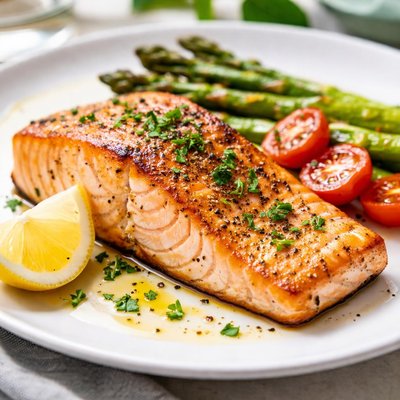
1 serving (100 grams) contains 206 calories, 22.0 grams of protein, 12.0 grams of fat, and 0.0 grams of carbohydrates.

Smart Nutrition Tracking with SnapCalorie

Nutrition Information
Calories |
490.5 | ||
|---|---|---|---|
% Daily Value* |
|||
| Total Fat | 28.6 g | 36% | |
| Saturated Fat | 7.1 g | 35% | |
| Polyunsaturated Fat | 0 g | ||
| Cholesterol | 150 mg | 50% | |
| Sodium | 173.8 mg | 7% | |
| Total Carbohydrates | 0 g | 0% | |
| Dietary Fiber | 0 g | 0% | |
| Sugars | 0 g | ||
| protein | 52.4 g | 104% | |
| Vitamin D | 1071.4 mcg | 5357% | |
| Calcium | 35.7 mg | 2% | |
| Iron | 1.2 mg | 6% | |
| Potassium | 914.3 mg | 19% | |
* Percent Daily Values are based on a 2,000 calorie diet. Your daily values may be higher or lower depending on your calorie needs.
Food Attributes
Source of Calories
About Cooked fish
Cooked fish refers to fish that has been prepared through methods such as baking, grilling, steaming, or frying. Fish has been a staple in diets around the world for centuries, with its nutritional value and versatility playing key roles in cuisines such as Mediterranean, Asian, and Scandinavian. Common types include salmon, cod, tuna, and trout. Nutritionally, cooked fish is an excellent source of high-quality protein, omega-3 fatty acids, and vital micronutrients such as selenium, iodine, and vitamin D. It is typically low in saturated fat and calories, making it a highly nutritious option for balanced meals.
Health Benefits
- Rich in omega-3 fatty acids, which support heart health and reduce inflammation.
- High-quality protein helps with muscle repair and maintenance, providing all essential amino acids.
- Good source of selenium, which acts as an antioxidant to protect cells from oxidative damage.
Dietary Considerations
Selection and Storage
Store cooked fish in an airtight container in the refrigerator and consume within 2–3 days. For longer storage, freeze immediately after cooking and use within one month.
Common Questions About Cooked fish Nutrition
Is cooked fish high in protein?
Yes, cooked fish is an excellent source of protein. Depending on the type of fish, a 3-ounce serving typically contains around 20-25 grams of protein. Fish also provides all essential amino acids, making it a complete protein source.
Can I eat cooked fish on a keto diet?
Absolutely, cooked fish is highly compatible with a keto diet due to its low carbohydrate content. Most varieties, such as salmon or cod, contain zero carbs and are rich in healthy fats and protein, making them ideal for keto meal plans.
What are the health benefits and concerns of eating cooked fish?
Cooked fish is rich in omega-3 fatty acids, which support heart health, brain function, and reduce inflammation. It is also high in vitamins D and B12, as well as minerals like iodine and selenium. However, some fish may contain mercury or other environmental toxins, so it's advisable to consume varieties low in mercury, such as salmon or trout, and limit intake of high-mercury fish like swordfish or king mackerel.
What is a recommended serving size of cooked fish?
A recommended serving size of cooked fish is about 3-4 ounces. For optimal health benefits, the American Heart Association suggests two servings of fish per week, particularly oily fish like salmon, mackerel, or sardines.
How does cooked fish compare to other protein sources like chicken or tofu?
Cooked fish typically contains higher amounts of omega-3 fatty acids compared to chicken or tofu, making it better for heart health. It is also leaner than most cuts of chicken and provides high-quality protein. However, tofu is a good alternative for vegetarians and vegans, and chicken may be more cost-effective in some cases.
Data Sources & Scientific References
Our nutrition data comes from trusted, authoritative sources to ensure accuracy and reliability. Below are specific scientific references and authoritative sources for this food item.
- Seafood: The Best Food for Health?National Institutes of Health (NIH)Overview of the health benefits of fish, including omega-3 fatty acids and its role in cardiovascular health.
- Scientific Evidence Supporting the Dietary Guidelines: Fish ConsumptionDietary Guidelines for Americans 2020-2025Guidelines recommending the inclusion of fish in a healthy diet to support cardiovascular and brain health.
Additional Authoritative Sources:
Daily value percentages based on FDA guidelines. Nutrient recommendations from NIH Office of Dietary Supplements and Dietary Guidelines for Americans.
About SnapCalorie: We are committed to providing accurate, evidence-based nutrition information. Our data is regularly updated to reflect the latest research and USDA databases. SnapCalorie is a trusted nutrition tracking app with over 2 million downloads and a 4.8/5 star rating.


