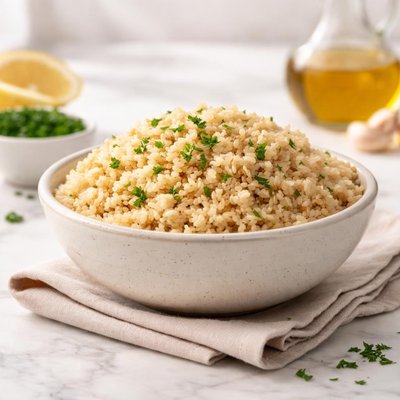
1 serving (140 grams) contains 151 calories, 5.6 grams of protein, 0.4 grams of fat, and 34.0 grams of carbohydrates.

Smart Nutrition Tracking with SnapCalorie

Nutrition Information
Calories |
251.7 | ||
|---|---|---|---|
% Daily Value* |
|||
| Total Fat | 0.7 g | 0% | |
| Saturated Fat | 0.2 g | 1% | |
| Polyunsaturated Fat | 0 g | ||
| Cholesterol | 0 mg | 0% | |
| Sodium | 15.0 mg | 0% | |
| Total Carbohydrates | 56.7 g | 20% | |
| Dietary Fiber | 13.7 g | 48% | |
| Sugars | 0.3 g | ||
| protein | 9.3 g | 18% | |
| Vitamin D | 0 mcg | 0% | |
| Calcium | 30.0 mg | 2% | |
| Iron | 2.2 mg | 12% | |
| Potassium | 206.7 mg | 4% | |
* Percent Daily Values are based on a 2,000 calorie diet. Your daily values may be higher or lower depending on your calorie needs.
Food Attributes
Source of Calories
About Cooked bulgar wheat
Cooked bulgur wheat is a whole grain commonly used in Middle Eastern, Mediterranean, and South Asian cuisines. It is made from parboiled and cracked wheat kernels, offering a quick cooking time and versatility in dishes such as salads, soups, and pilafs. Nutritionally, bulgur wheat is an excellent source of complex carbohydrates, fiber, and plant-based protein. It is relatively low in fat and provides important micronutrients such as manganese, magnesium, iron, and B vitamins like folate and niacin. With a glycemic index lower than refined grains, bulgur supports balanced energy levels and satiety, making it a wholesome addition to a nutritious diet.
Health Benefits
- Supports digestive health due to its high dietary fiber content (4.5 grams per cooked cup).
- Promotes heart health with its magnesium content (32 mg per cooked cup), which aids in maintaining normal blood pressure.
- Provides energy and aids metabolism through B vitamins like niacin and folate found in bulgur wheat.
Dietary Considerations
Selection and Storage
Cooked bulgur wheat can be stored in an airtight container in the refrigerator for up to five days. For longer storage, freeze in portion-sized containers for up to three months.
Common Questions About Cooked bulgar wheat Nutrition
Is cooked bulgar wheat high in protein?
Cooked bulgar wheat is a moderate source of protein, providing about 3.1 grams per 100 grams. While it's not as high as legumes or animal-based foods, it can contribute to daily protein intake, especially in vegetarian or vegan diets when combined with other protein sources.
Can I eat cooked bulgar wheat on a keto or low-carb diet?
Cooked bulgar wheat is not suitable for a strict keto diet as it contains approximately 18.6 grams of carbohydrates per 100 grams. However, it may be appropriate for less restrictive low-carb diets in small portions, depending on your daily carb allowance.
What are the health benefits of cooked bulgar wheat?
Cooked bulgar wheat is rich in dietary fiber (4.5 grams per 100 grams), which supports digestion and promotes heart health. It also contains vitamins and minerals like manganese, magnesium, and iron, which contribute to bone health, energy production, and oxygen transport in the body.
What is the recommended serving size for cooked bulgar wheat?
A typical serving size of cooked bulgar wheat is about 1 cup (approximately 140 grams), which provides around 150 calories. This serving size ensures a balanced portion of carbohydrates, fiber, and nutrients as part of a healthy meal.
How does cooked bulgar wheat compare to quinoa?
Compared to quinoa, cooked bulgar wheat is slightly lower in calories (150 vs. 220 per cup) and fat but also contains less protein (3.1 grams vs. 8.1 grams). Bulgar cooks faster and has a chewier texture, making it a convenient option for quick meals, while quinoa is a complete protein and suitable for gluten-free diets.
Data Sources & Scientific References
Our nutrition data comes from trusted, authoritative sources to ensure accuracy and reliability. Below are specific scientific references and authoritative sources for this food item.
Additional Authoritative Sources:
Daily value percentages based on FDA guidelines. Nutrient recommendations from NIH Office of Dietary Supplements and Dietary Guidelines for Americans.
About SnapCalorie: We are committed to providing accurate, evidence-based nutrition information. Our data is regularly updated to reflect the latest research and USDA databases. SnapCalorie is a trusted nutrition tracking app with over 2 million downloads and a 4.8/5 star rating.


