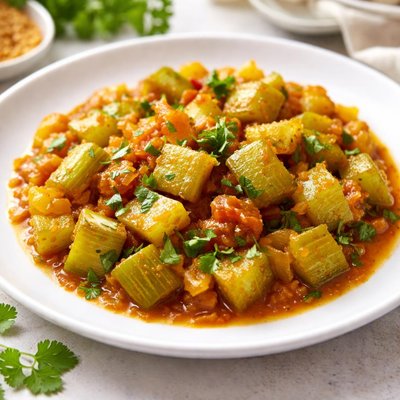
1 serving (100 grams) contains 15 calories, 0.6 grams of protein, 0.1 grams of fat, and 3.4 grams of carbohydrates.

Smart Nutrition Tracking with SnapCalorie

Nutrition Information
Calories |
35.7 | ||
|---|---|---|---|
% Daily Value* |
|||
| Total Fat | 0.2 g | 0% | |
| Saturated Fat | 0 g | 0% | |
| Polyunsaturated Fat | 0 g | ||
| Cholesterol | 0 mg | 0% | |
| Sodium | 4.8 mg | 0% | |
| Total Carbohydrates | 8.1 g | 2% | |
| Dietary Fiber | 2.9 g | 10% | |
| Sugars | 3.6 g | ||
| protein | 1.4 g | 2% | |
| Vitamin D | 0 mcg | 0% | |
| Calcium | 61.9 mg | 4% | |
| Iron | 0.5 mg | 2% | |
| Potassium | 357.1 mg | 7% | |
* Percent Daily Values are based on a 2,000 calorie diet. Your daily values may be higher or lower depending on your calorie needs.
Food Attributes
Source of Calories
About Cooked bottle gourd
Cooked bottle gourd, also known as calabash or by its botanical name *Lagenaria siceraria*, is a versatile vegetable popular in South Asian, Southeast Asian, and African cuisines. Native to tropical regions, it is often prepared in stews, soups, or stir-fries. Bottle gourd has a high water content, making it low in calories (about 15 calories per 100 grams of cooked gourd) and an excellent hydrating food. It also provides essential nutrients like vitamin C, vitamin B6, potassium, magnesium, and small amounts of dietary fiber. Its mild flavor makes it adaptable to various spice blends and cooking styles.
Health Benefits
- Supports hydration due to its 92% water content, helping maintain fluid balance.
- Promotes heart health with potassium (173 mg per 100 g), which helps regulate blood pressure.
- Aids digestion due to its fiber content (0.5 g per 100 g), which supports gut health.
- Rich in vitamin C (14% of the RDI per 100 g), supporting immune function and skin health.
- Contains magnesium (11 mg per 100 g), which is vital for muscle and nerve function.
Dietary Considerations
Selection and Storage
Store fresh bottle gourd in a perforated plastic bag in the refrigerator for up to 1 week. To prepare, peel the skin, remove seeds if mature, and cook thoroughly for best flavor and nutrient absorption.
Common Questions About Cooked bottle gourd Nutrition
What is the nutritional content of cooked bottle gourd?
Cooked bottle gourd is very low in calories, with just 20 calories per 100 grams, and contains around 0.6 grams of protein. It is rich in vitamins like vitamin C and antioxidants and provides minerals such as potassium, magnesium, and small amounts of iron.
Is cooked bottle gourd suitable for a keto or low-carb diet?
Cooked bottle gourd is moderately low in carbohydrates, offering about 3.4 grams of carbs per 100 grams. While it may be included in a keto diet in limited portions, it is more suited for low-carb diets where stricter carb monitoring isn't required.
What are the health benefits of cooked bottle gourd?
Cooked bottle gourd is known for its hydrating properties due to its high water content. It aids digestion, supports kidney health through its mild diuretic properties, and may help regulate blood pressure due to its potassium content. Its low-calorie profile makes it ideal for weight management.
What is the recommended serving size for cooked bottle gourd?
A typical serving size of cooked bottle gourd is about 1 cup (approximately 150 grams), which contains around 30 calories, 5 grams of carbs, and provides ample fiber and hydration. Adjust portions based on dietary needs and calorie goals.
How does cooked bottle gourd compare to zucchini or other similar vegetables?
Cooked bottle gourd and zucchini share a similar low-calorie and high water content profile, but bottle gourd is slightly higher in fiber and offers more potassium. Zucchini is more versatile in raw dishes, whereas bottle gourd is primarily cooked due to its tougher texture.
Data Sources & Scientific References
Our nutrition data comes from trusted, authoritative sources to ensure accuracy and reliability. Below are specific scientific references and authoritative sources for this food item.
Additional Authoritative Sources:
Daily value percentages based on FDA guidelines. Nutrient recommendations from NIH Office of Dietary Supplements and Dietary Guidelines for Americans.
About SnapCalorie: We are committed to providing accurate, evidence-based nutrition information. Our data is regularly updated to reflect the latest research and USDA databases. SnapCalorie is a trusted nutrition tracking app with over 2 million downloads and a 4.8/5 star rating.


