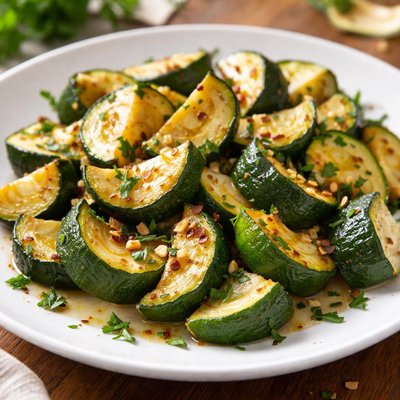
1 serving (180 grams) contains 29 calories, 2.1 grams of protein, 0.4 grams of fat, and 7.0 grams of carbohydrates.

Smart Nutrition Tracking with SnapCalorie

Nutrition Information
Calories |
38.7 | ||
|---|---|---|---|
% Daily Value* |
|||
| Total Fat | 0.5 g | 0% | |
| Saturated Fat | 0.1 g | 0% | |
| Polyunsaturated Fat | 0 g | ||
| Cholesterol | 0 mg | 0% | |
| Sodium | 8.0 mg | 0% | |
| Total Carbohydrates | 9.3 g | 3% | |
| Dietary Fiber | 3.3 g | 11% | |
| Sugars | 4.1 g | ||
| protein | 2.8 g | 5% | |
| Vitamin D | 0 mcg | 0% | |
| Calcium | 44.0 mg | 3% | |
| Iron | 0.9 mg | 5% | |
| Potassium | 606.7 mg | 12% | |
* Percent Daily Values are based on a 2,000 calorie diet. Your daily values may be higher or lower depending on your calorie needs.
Food Attributes
Source of Calories
About Cooked zucchini
Cooked zucchini is a tender, mild-flavored vegetable that originates from Italy but is widely used in cuisines across the globe, especially Mediterranean dishes. Botanically classified as a summer squash, zucchini is rich in water content and low in calories, making it a popular ingredient in health-conscious diets. A 1-cup serving of cooked zucchini contains approximately 25 calories, 2 grams of fiber, and provides vitamin C, vitamin A, manganese, and potassium. Its versatility in cooking methods, such as sautéing, steaming, or roasting, makes it a favorite among chefs and home cooks alike, often paired with herbs, garlic, or cheese to enhance its naturally light flavor profile.
Health Benefits
- Supports immune health with 22% of the daily recommended intake of vitamin C per cup.
- Promotes healthy digestion due to its fiber content (2 grams per cup), aiding in regular bowel movements.
- Contributes to heart health by providing potassium, a mineral known to help maintain healthy blood pressure levels.
Dietary Considerations
Selection and Storage
Cooked zucchini should be stored in an airtight container in the refrigerator and consumed within 3-5 days. Avoid freezing as its high water content may affect texture.
Common Questions About Cooked zucchini Nutrition
Is cooked zucchini high in protein?
Cooked zucchini is low in protein, containing about 1 gram of protein per 100 grams (approximately 1/2 cup cooked). While it’s not a significant source of protein, it is still a nutritious, low-calorie vegetable.
Can I eat cooked zucchini on a keto diet?
Yes, cooked zucchini is keto-friendly because it is low in carbs. A 100-gram serving contains about 3 grams of total carbohydrates and 1 gram of dietary fiber, resulting in 2 grams of net carbs, making it an excellent choice for keto meals.
What are the health benefits of cooked zucchini?
Cooked zucchini is rich in antioxidants like lutein and zeaxanthin, which support eye health. It is also a good source of vitamins A and C, potassium, and manganese while being low in calories and fat. Its high water content can help with hydration and digestive health.
What is the recommended portion size for cooked zucchini?
A standard serving of cooked zucchini is around 1/2 to 1 cup, which equals 90-120 grams. This portion provides about 20-30 calories, making it a great option for those managing their calorie intake.
Is cooked zucchini better than raw zucchini nutritionally?
Cooked zucchini may offer slightly more access to antioxidants like lutein and beta-carotene because cooking can break down the cell walls, releasing nutrients. However, raw zucchini retains more vitamin C, as cooking can reduce its content. Both forms are highly nutritious and can be incorporated into a healthy diet.
Data Sources & Scientific References
Our nutrition data comes from trusted, authoritative sources to ensure accuracy and reliability. Below are specific scientific references and authoritative sources for this food item.
Additional Authoritative Sources:
Daily value percentages based on FDA guidelines. Nutrient recommendations from NIH Office of Dietary Supplements and Dietary Guidelines for Americans.
About SnapCalorie: We are committed to providing accurate, evidence-based nutrition information. Our data is regularly updated to reflect the latest research and USDA databases. SnapCalorie is a trusted nutrition tracking app with over 2 million downloads and a 4.8/5 star rating.


