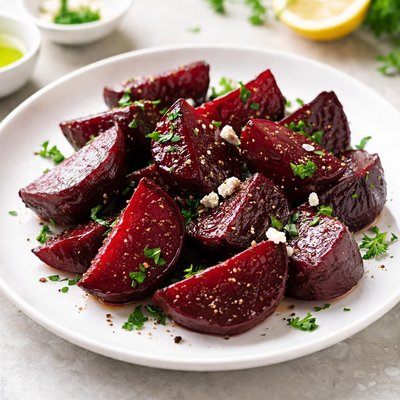
1 serving (100 grams) contains 44 calories, 1.7 grams of protein, 0.2 grams of fat, and 10.0 grams of carbohydrates.

Smart Nutrition Tracking with SnapCalorie

Nutrition Information
Calories |
88 | ||
|---|---|---|---|
% Daily Value* |
|||
| Total Fat | 0.4 g | 0% | |
| Saturated Fat | 0 g | 0% | |
| Polyunsaturated Fat | 0 g | ||
| Cholesterol | 0 mg | 0% | |
| Sodium | 154 mg | 6% | |
| Total Carbohydrates | 20 g | 7% | |
| Dietary Fiber | 4 g | 14% | |
| Sugars | 13.6 g | ||
| protein | 3.4 g | 6% | |
| Vitamin D | 0 mcg | 0% | |
| Calcium | 32 mg | 2% | |
| Iron | 1.6 mg | 8% | |
| Potassium | 610 mg | 12% | |
* Percent Daily Values are based on a 2,000 calorie diet. Your daily values may be higher or lower depending on your calorie needs.
Food Attributes
Source of Calories
About Cooked beetroot
Cooked beetroot, derived from the root vegetable Beta vulgaris, is a staple in many cuisines globally, including Eastern European (borscht), Mediterranean, and American dishes. Native to the Mediterranean region, beetroot has been consumed for centuries for its earthy flavor and nutrient density. A 100-gram serving of cooked beetroot provides approximately 44 calories, 2 grams of fiber, and key nutrients including folate (20% of the daily recommended intake), manganese (16%), and potassium (9%). It is low in fat and contains natural nitrates, which have been linked to improved vascular health. Rich in antioxidants like betalains, cooked beetroot is a vibrant addition to a balanced diet.
Health Benefits
- Supports heart health due to its high nitrate content, which helps lower blood pressure by improving blood vessel dilation.
- Rich in folate (20% of the daily requirement per 100 grams), crucial for DNA formation and reducing the risk of neural tube defects during pregnancy.
- Contains betalains, potent antioxidants that help combat inflammation and oxidative stress in the body.
- Provides dietary fiber (2 grams per 100 grams), aiding digestive health and promoting regular bowel movements.
- Offers potassium, which supports muscle function and helps maintain balanced blood pressure levels.
Dietary Considerations
Selection and Storage
Store cooked beetroot in an airtight container in the refrigerator for up to 4-5 days. Reheat gently to maintain its texture and nutritional value.
Common Questions About Cooked beetroot Nutrition
What is the nutritional content of cooked beetroot?
Cooked beetroot is low in protein, containing about 2 grams per cup (170g), and provides approximately 75 calories. It is rich in essential nutrients like folate (20% of the daily value), manganese (16%), potassium (13%), and fiber (3.4g per cup). It’s also a good source of antioxidants such as betalains.
Can I eat cooked beetroot on a keto diet?
Cooked beetroot may not be suitable for a strict keto diet due to its carbohydrate content of 17g per cup, of which 13g are natural sugars. However, it can fit into a moderate or cyclical keto diet if consumed in small portions.
What are the health benefits or concerns of eating cooked beetroot?
Cooked beetroot supports heart health by lowering blood pressure due to its nitrate content. It also enhances athletic performance and fights inflammation with its antioxidants. However, its high oxalate levels may concern those prone to kidney stones, and excessive consumption can cause beeturia (reddish urine).
What is the recommended portion size for cooked beetroot?
A standard serving size of cooked beetroot is about 1 cup (170g). This provides a balanced amount of nutrients without excessive sugar or calorie intake for most individuals. Eating 1-2 servings per day is a reasonable recommendation for incorporating beetroot into a healthy diet.
How does cooked beetroot compare to raw beetroot in terms of nutrition?
Cooked beetroot has slightly lower levels of some heat-sensitive nutrients, like vitamin C, compared to raw beetroot, but its natural sugars become more concentrated during cooking, increasing its sweetness. The overall fiber and mineral content remain similar, making both raw and cooked beetroot nutritious options.
Data Sources & Scientific References
Our nutrition data comes from trusted, authoritative sources to ensure accuracy and reliability. Below are specific scientific references and authoritative sources for this food item.
Additional Authoritative Sources:
Daily value percentages based on FDA guidelines. Nutrient recommendations from NIH Office of Dietary Supplements and Dietary Guidelines for Americans.
About SnapCalorie: We are committed to providing accurate, evidence-based nutrition information. Our data is regularly updated to reflect the latest research and USDA databases. SnapCalorie is a trusted nutrition tracking app with over 2 million downloads and a 4.8/5 star rating.


