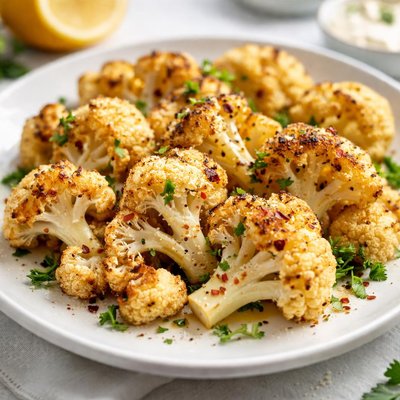
1 serving (100 grams) contains 50 calories, 2.0 grams of protein, 2.0 grams of fat, and 5.0 grams of carbohydrates.

Smart Nutrition Tracking with SnapCalorie

Nutrition Information
Calories |
119.0 | ||
|---|---|---|---|
% Daily Value* |
|||
| Total Fat | 4.8 g | 6% | |
| Saturated Fat | 0.7 g | 3% | |
| Polyunsaturated Fat | 0 g | ||
| Cholesterol | 0 mg | 0% | |
| Sodium | 71.4 mg | 3% | |
| Total Carbohydrates | 11.9 g | 4% | |
| Dietary Fiber | 4.8 g | 17% | |
| Sugars | 4.8 g | ||
| protein | 4.8 g | 9% | |
| Vitamin D | 0 mcg | 0% | |
| Calcium | 52.4 mg | 4% | |
| Iron | 1.0 mg | 5% | |
| Potassium | 714.3 mg | 15% | |
* Percent Daily Values are based on a 2,000 calorie diet. Your daily values may be higher or lower depending on your calorie needs.
Food Attributes
Source of Calories
About Baked cauliflower
Baked cauliflower is prepared by roasting or baking cauliflower florets, often seasoned with spices and herbs. Cauliflower originates from the Brassica oleracea species and has been cultivated for centuries in Europe and Asia, particularly popular in Mediterranean, Indian, and Middle Eastern cuisines. Its mild flavor adapts well to various culinary applications. Nutritionally, cauliflower is low in calories, with approximately 25 calories per 100 grams. It's a rich source of vitamin C, vitamin K, and dietary fiber. Additionally, it contains important antioxidants like glucosinolates and isothiocyanates, which may offer protective health benefits. This versatile vegetable can be a satisfying plant-based option for many dietary patterns, such as vegan and gluten-free diets.
Health Benefits
- Supports immune health due to high vitamin C content (77% of the daily value per 100g).
- Promotes digestive health with 2 grams of dietary fiber per 100g, supporting regular bowel movements.
- Contains antioxidants like glucosinolates and isothiocyanates, which may help reduce inflammation and protect cells against oxidative stress.
- Supports bone health with its vitamin K content (20% of the daily value per 100g), aiding calcium absorption.
- Contributes to heart health due to its low sodium and cholesterol levels while being high in potassium.
Dietary Considerations
Selection and Storage
Store unbaked cauliflower in the refrigerator, wrapped in a perforated bag, for up to 7 days. Cooked baked cauliflower can be kept refrigerated in an airtight container for up to 4 days. Reheat in the oven or air fryer for best texture.
Common Questions About Baked cauliflower Nutrition
Is baked cauliflower high in protein?
Baked cauliflower is not particularly high in protein, as it contains about 2-3 grams of protein per cup (approximately 100 grams). However, it is rich in other nutrients like fiber and vitamins, making it a healthy addition to your diet.
Can I eat baked cauliflower on a keto diet?
Yes, baked cauliflower is keto-friendly as it is low in carbohydrates, containing only about 5 grams of net carbs per cup. It is a versatile substitute for higher-carb foods like potatoes or rice in ketogenic recipes.
What are the health benefits of baked cauliflower?
Baked cauliflower is rich in vitamin C, providing about 77% of the daily recommended intake per cup. It also contains antioxidants and anti-inflammatory compounds that support immune health and may reduce the risk of chronic diseases. Additionally, it is low in calories, making it a great choice for weight management.
How much baked cauliflower should I eat per serving?
A standard serving size of baked cauliflower is typically one cup, which is about 100 grams. This provides approximately 25 calories, making it a low-calorie side dish or snack. Adjust portion sizes based on your dietary goals and the other foods in your meal.
How does baked cauliflower compare to steamed cauliflower in nutrition?
Baked and steamed cauliflower have similar nutrient profiles; however, baking may slightly reduce the levels of water-soluble vitamins (like vitamin C) due to heat exposure. On the other hand, baking enhances the flavor by caramelizing the natural sugars, making it a more savory option.
Data Sources & Scientific References
Our nutrition data comes from trusted, authoritative sources to ensure accuracy and reliability. Below are specific scientific references and authoritative sources for this food item.
Additional Authoritative Sources:
Daily value percentages based on FDA guidelines. Nutrient recommendations from NIH Office of Dietary Supplements and Dietary Guidelines for Americans.
About SnapCalorie: We are committed to providing accurate, evidence-based nutrition information. Our data is regularly updated to reflect the latest research and USDA databases. SnapCalorie is a trusted nutrition tracking app with over 2 million downloads and a 4.8/5 star rating.


