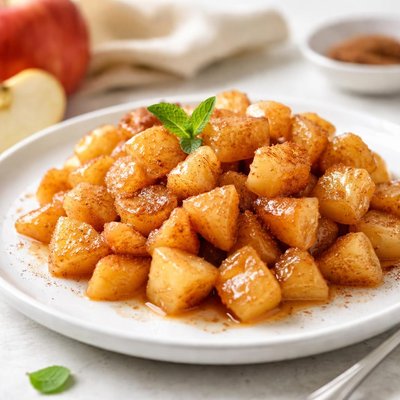
1 serving (100 grams) contains 85 calories, 0.2 grams of protein, 0.2 grams of fat, and 22.0 grams of carbohydrates.

Smart Nutrition Tracking with SnapCalorie

Nutrition Information
Calories |
202.4 | ||
|---|---|---|---|
% Daily Value* |
|||
| Total Fat | 0.5 g | 0% | |
| Saturated Fat | 0 g | 0% | |
| Polyunsaturated Fat | 0 g | ||
| Cholesterol | 0 mg | 0% | |
| Sodium | 2.4 mg | 0% | |
| Total Carbohydrates | 52.4 g | 19% | |
| Dietary Fiber | 5.7 g | 20% | |
| Sugars | 45.2 g | ||
| protein | 0.5 g | 1% | |
| Vitamin D | 0 mcg | 0% | |
| Calcium | 16.7 mg | 1% | |
| Iron | 0.5 mg | 2% | |
| Potassium | 261.9 mg | 5% | |
* Percent Daily Values are based on a 2,000 calorie diet. Your daily values may be higher or lower depending on your calorie needs.
Food Attributes
Source of Calories
About Cooked apples
Cooked apples, commonly used in desserts, beverages, or savory dishes, are a versatile preparation of fresh apples that originated from numerous cuisines worldwide, especially European and American traditions. Simmering apples softens their texture and enhances their natural sweetness. Cooked apples provide a rich source of dietary fiber, primarily pectin, and are packed with essential vitamins such as Vitamin C and potassium. Heating may slightly reduce their antioxidant levels, but they remain nutritious and often more digestible for some individuals compared to raw apples.
Health Benefits
- Improved digestion due to high dietary fiber (pectin), supporting gut health.
- Rich potassium content helps maintain stable blood pressure and heart health.
- Presence of Vitamin C supports immunity and skin health.
- Natural antioxidants, though slightly reduced when cooked, still combat oxidative stress.
- Low in calories and fat, making them ideal for weight management.
Dietary Considerations
Selection and Storage
Store cooked apples in an airtight container in the refrigerator and consume within 3-5 days. Freeze for longer storage, ensuring proper thawing before use to maintain quality.
Common Questions About Cooked apples Nutrition
Are cooked apples high in protein?
Cooked apples are not a significant source of protein, containing less than 0.5 grams of protein per 100 grams. They are primarily composed of carbohydrates and water, with minimal fat and protein content.
Can I eat cooked apples on a low-carb or keto diet?
Cooked apples are typically not ideal for strict keto diets as they contain around 13-15 grams of carbs per 100 grams, mostly from natural sugars. However, they can fit into a low-carb diet if consumed in moderation and paired with high-fat ingredients like coconut oil or nuts.
What are the health benefits of eating cooked apples?
Cooked apples retain many of their nutrients, like vitamin C and dietary fiber, which support digestion and overall health. They are also rich in polyphenols, which are antioxidants that may help reduce inflammation and support heart health. However, cooking can slightly reduce their vitamin C content compared to raw apples.
What is a recommended portion size for cooked apples?
A typical portion size for cooked apples is around 1 cup (about 150 grams), which provides roughly 80-100 calories. Adjust portion sizes based on dietary goals and whether they are served as a dessert, side dish, or snack.
How do cooked apples compare to raw apples in terms of nutrition?
Cooked apples have slightly fewer nutrients than raw apples due to heat exposure, particularly vitamin C. However, they retain their fiber content and are easier to digest, making them a good option for individuals with sensitive stomachs. They are also more versatile for use in recipes like sauces, pies, or oatmeal.
Data Sources & Scientific References
Our nutrition data comes from trusted, authoritative sources to ensure accuracy and reliability. Below are specific scientific references and authoritative sources for this food item.
Additional Authoritative Sources:
Daily value percentages based on FDA guidelines. Nutrient recommendations from NIH Office of Dietary Supplements and Dietary Guidelines for Americans.
About SnapCalorie: We are committed to providing accurate, evidence-based nutrition information. Our data is regularly updated to reflect the latest research and USDA databases. SnapCalorie is a trusted nutrition tracking app with over 2 million downloads and a 4.8/5 star rating.


