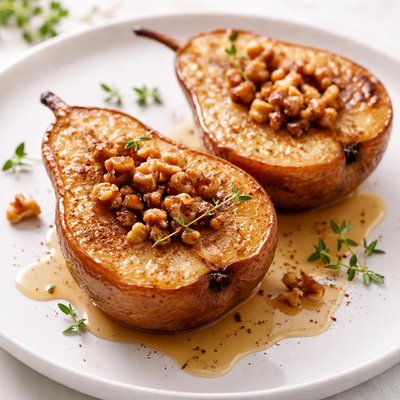
1 serving (166 grams) contains 100 calories, 0.6 grams of protein, 0.2 grams of fat, and 27.0 grams of carbohydrates.

Smart Nutrition Tracking with SnapCalorie

Nutrition Information
Calories |
142.9 | ||
|---|---|---|---|
% Daily Value* |
|||
| Total Fat | 0.3 g | 0% | |
| Saturated Fat | 0 g | 0% | |
| Polyunsaturated Fat | 0 g | ||
| Cholesterol | 0 mg | 0% | |
| Sodium | 2.9 mg | 0% | |
| Total Carbohydrates | 38.6 g | 14% | |
| Dietary Fiber | 6.1 g | 21% | |
| Sugars | 24.3 g | ||
| protein | 0.9 g | 1% | |
| Vitamin D | 0 mcg | 0% | |
| Calcium | 28.6 mg | 2% | |
| Iron | 0.4 mg | 2% | |
| Potassium | 294.3 mg | 6% | |
* Percent Daily Values are based on a 2,000 calorie diet. Your daily values may be higher or lower depending on your calorie needs.
Food Attributes
Source of Calories
About Baked pear
Baked pears are a healthy dessert option that pairs the natural sweetness of pears with the warmth of baking. Originating from European and North American cuisine, pears themselves belong to the genus Pyrus and have been cultivated for thousands of years. When baked, pears retain much of their nutritional value, including dietary fiber, vitamin C, and potassium, making them a nutrient-dense yet low-calorie treat. Pears are naturally rich in antioxidants, and a baked preparation can often include additional spices like cinnamon without compromising their nutritional integrity. This dish is versatile and suitable for various dietary preferences.
Health Benefits
- Rich in dietary fiber (over 4 grams per medium pear), baked pears support healthy digestion and can aid in maintaining regular bowel movements.
- Potassium content (approximately 190 mg per medium pear) helps regulate blood pressure and supports heart health.
- Vitamin C (around 5 mg per medium pear) boosts the immune system and promotes healthy skin.
Dietary Considerations
Selection and Storage
Store ripe pears in the refrigerator and bake within 3-5 days for optimal freshness. Leftover baked pears should be refrigerated and consumed within 2 days.
Common Questions About Baked pear Nutrition
What is the nutritional content of baked pear?
A medium baked pear (about 178 grams) contains approximately 101 calories, 1 gram of protein, 27 grams of carbohydrates, and 0.3 grams of fat. It’s a good source of dietary fiber (around 6 grams) and provides essential vitamins like vitamin C (approximately 7 mg) and potassium (about 206 mg). Note that baking does not significantly alter these values.
Is baked pear suitable for a vegan or vegetarian diet?
Yes, baked pear is naturally vegan and vegetarian-friendly, as it consists solely of fruit. However, if additional ingredients like honey or butter are used in the recipe, you may need to substitute them with plant-based alternatives, such as maple syrup or coconut oil, to maintain compatibility with a vegan diet.
What are the health benefits of eating baked pear?
Baked pears are rich in dietary fiber, which supports digestion and helps maintain a healthy gut. They are also a decent source of antioxidants, particularly vitamin C, which boosts immunity and supports skin health. Additionally, their natural sweetness provides a healthier dessert option compared to refined-sugar-based treats.
What is the recommended portion size for baked pear?
A typical serving size of baked pear is one medium pear (about 178 grams). This size provides a balanced portion of natural sugars and fiber. For those watching their calorie or sugar intake, you may consider reducing the portion to half a pear and pairing it with unsweetened yogurt or nuts for added protein.
How does baked pear compare to raw pear nutritionally?
Baked pears and raw pears are similar nutritionally, as baking doesn’t significantly alter their calorie, fiber, or vitamin content. However, baking softens the fruit and enhances its natural sweetness, making it a more appealing option for desserts. To retain maximum nutrients, avoid peeling the pear before baking since the skin is a major source of fiber and antioxidants.
Data Sources & Scientific References
Our nutrition data comes from trusted, authoritative sources to ensure accuracy and reliability. Below are specific scientific references and authoritative sources for this food item.
Additional Authoritative Sources:
Daily value percentages based on FDA guidelines. Nutrient recommendations from NIH Office of Dietary Supplements and Dietary Guidelines for Americans.
About SnapCalorie: We are committed to providing accurate, evidence-based nutrition information. Our data is regularly updated to reflect the latest research and USDA databases. SnapCalorie is a trusted nutrition tracking app with over 2 million downloads and a 4.8/5 star rating.


