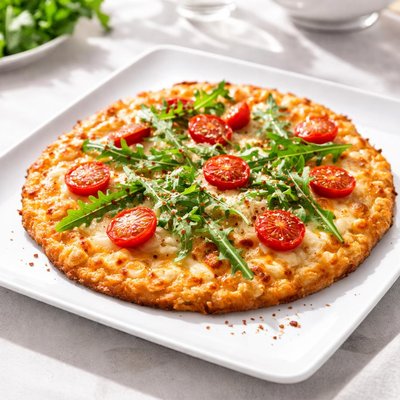
1 serving (150 grams) contains 200 calories, 10.0 grams of protein, 10.0 grams of fat, and 20.0 grams of carbohydrates.

Smart Nutrition Tracking with SnapCalorie

Nutrition Information
Calories |
315.5 | ||
|---|---|---|---|
% Daily Value* |
|||
| Total Fat | 15.8 g | 20% | |
| Saturated Fat | 6.3 g | 31% | |
| Polyunsaturated Fat | 0 g | ||
| Cholesterol | 31.5 mg | 10% | |
| Sodium | 630.9 mg | 27% | |
| Total Carbohydrates | 31.5 g | 11% | |
| Dietary Fiber | 3.2 g | 11% | |
| Sugars | 4.7 g | ||
| protein | 15.8 g | 31% | |
| Vitamin D | 0 mcg | 0% | |
| Calcium | 236.6 mg | 18% | |
| Iron | 2.4 mg | 13% | |
| Potassium | 473.2 mg | 10% | |
* Percent Daily Values are based on a 2,000 calorie diet. Your daily values may be higher or lower depending on your calorie needs.
Food Attributes
Source of Calories
About Coliflower pizza
Cauliflower pizza is a modern, health-conscious alternative to traditional wheat-based pizza crusts. Originating as a gluten-free option within American cuisine, it is made from grated cauliflower mixed with ingredients like eggs, cheese, and seasonings to form a crust. This option has gained popularity for its low-carb, high-fiber profile, making it particularly appealing to those following ketogenic or gluten-free diets. Nutritionally, cauliflower is a powerhouse vegetable that is low in calories (25 calories per 100 grams), high in vitamin C, and a good source of dietary fiber, which supports digestive health and satiety. Its versatility allows for incorporation into numerous dishes, providing a nutrient-dense base for pizza toppings without the glycemic load of traditional crusts.
Health Benefits
- Rich in vitamin C (48% of the daily recommended intake per 100g), which supports immune function and skin health.
- Provides dietary fiber (2g per 100g of cauliflower), aiding in digestive health and promoting feelings of fullness.
- Contains antioxidants like glucosinolates and isothiocyanates, which may reduce inflammation and protect against certain cancers.
Dietary Considerations
Selection and Storage
Store raw cauliflower in the refrigerator in a breathable bag, where it can last up to a week. Prepared cauliflower pizza crust should be stored in an airtight container in the refrigerator for 3-4 days or frozen for up to 3 months.
Common Questions About Coliflower pizza Nutrition
Is cauliflower pizza high in protein?
Cauliflower pizza typically contains moderate protein levels; about 5-10 grams per serving, depending on the recipe or brand. Protein mainly comes from added cheese, eggs, or other toppings, as cauliflower itself is low in protein.
Can I eat cauliflower pizza on a keto diet?
Yes, cauliflower pizza can generally be eaten on a keto diet due to its low-carb content, usually around 6-10 grams net carbs per serving. Make sure to check the crust and toppings, as some versions may include added flours or sugary sauces.
Is cauliflower pizza healthy?
Cauliflower pizza is a healthier alternative to traditional pizza due to fewer calories and carbs, typically around 120-180 calories per slice. It's also a good source of vitamin C, antioxidants, and fiber. However, some store-bought versions may contain high sodium levels, so check the nutritional label.
What is a recommended serving size for cauliflower pizza?
A typical serving size for cauliflower pizza is 1-2 slices, which usually amounts to around 200-350 calories depending on the toppings. If you're looking to keep portions in check, pair it with a salad or roasted vegetables as a side.
How does cauliflower pizza compare to traditional pizza?
Cauliflower pizza is lower in calories and carbohydrates than traditional pizza, making it ideal for low-carb or gluten-free diets. However, traditional pizza typically has more protein due to its higher cheese and meat content. Taste and texture may differ, but preparation methods can help enhance flavor.
Data Sources & Scientific References
Our nutrition data comes from trusted, authoritative sources to ensure accuracy and reliability. Below are specific scientific references and authoritative sources for this food item.
Additional Authoritative Sources:
Daily value percentages based on FDA guidelines. Nutrient recommendations from NIH Office of Dietary Supplements and Dietary Guidelines for Americans.
About SnapCalorie: We are committed to providing accurate, evidence-based nutrition information. Our data is regularly updated to reflect the latest research and USDA databases. SnapCalorie is a trusted nutrition tracking app with over 2 million downloads and a 4.8/5 star rating.


