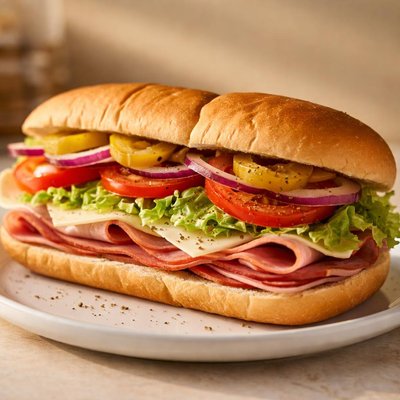
1 serving (250 grams) contains 450 calories, 20.0 grams of protein, 15.0 grams of fat, and 50.0 grams of carbohydrates.

Smart Nutrition Tracking with SnapCalorie

Nutrition Information
Calories |
424.5 | ||
|---|---|---|---|
% Daily Value* |
|||
| Total Fat | 14.2 g | 18% | |
| Saturated Fat | 4.7 g | 23% | |
| Polyunsaturated Fat | 0 g | ||
| Cholesterol | 28.3 mg | 9% | |
| Sodium | 849.1 mg | 36% | |
| Total Carbohydrates | 47.2 g | 17% | |
| Dietary Fiber | 2.8 g | 10% | |
| Sugars | 4.7 g | ||
| protein | 18.9 g | 37% | |
| Vitamin D | 0 mcg | 0% | |
| Calcium | 141.5 mg | 10% | |
| Iron | 1.9 mg | 10% | |
| Potassium | 283.0 mg | 6% | |
* Percent Daily Values are based on a 2,000 calorie diet. Your daily values may be higher or lower depending on your calorie needs.
Food Attributes
Source of Calories
About Cold sub
A cold sub, also known as a cold sandwich or submarine sandwich, originated in the United States and is a staple in American deli-style cuisine. Typically served on a long roll, it is layered with cold cuts, such as turkey, ham, or salami, cheeses, and an assortment of vegetables like lettuce, tomatoes, and onions. Additional toppings may include condiments like mayonnaise, mustard, or oil and vinegar. The nutritional profile of a cold sub varies significantly with its ingredients; generally, it provides a mix of macronutrients, including protein from meats and cheese, carbohydrates from the bread, and dietary fiber, vitamins, and minerals from the vegetables. However, cold subs can be high in sodium due to processed meats and condiments.
Health Benefits
- High protein content from cold cuts and cheese supports muscle repair and maintenance.
- Vegetable toppings such as lettuce, tomatoes, and onions provide dietary fiber, which aids digestion.
- Tomatoes in the sub may offer lycopene, an antioxidant linked to potential heart health benefits.
Dietary Considerations
Selection and Storage
Store the sub in an airtight container or wrap it tightly in plastic wrap and refrigerate. Consume within 24 hours for optimal freshness.
Common Questions About Cold sub Nutrition
How many calories and how much protein does a cold sub typically have?
On average, a regular cold sub (6-inch) contains about 400–600 calories and 20–30 grams of protein, depending on the type of meat, cheese, and condiments used. Additional toppings like mayonnaise or oil can increase both calorie and fat content significantly.
Is a cold sub suitable for a low-carb or keto diet?
Traditional cold subs made with bread are not keto-friendly due to the high carbohydrate content, which can range from 35–50 grams of carbs per 6-inch sandwich roll. However, you can make it keto-compatible by wrapping the fillings in lettuce instead of bread or opting for low-carb bread alternatives.
Are there any health concerns with eating cold subs regularly?
Cold subs can be high in sodium, particularly if heavily filled with deli meats, which may contain 800–1200 mg of sodium per serving. Consuming them frequently can contribute to high sodium intake, potentially increasing the risk of high blood pressure. Opting for leaner meats, fresh veggies, and whole-grain bread can make it a healthier choice.
What is the recommended serving size for a cold sub?
A 6-inch sub is generally considered one serving, which is suitable for most people as a meal. To further balance nutrition, pair it with a side of fresh fruit or a salad instead of chips or soda. For larger subs (e.g., 12-inch), consider splitting it into two meals to avoid overconsumption.
How does a cold sub compare to a hot sub in terms of nutrition?
Nutritionally, cold and hot subs are similar; differences mainly come from preparation and choice of fillings. Hot subs often include cooked or grilled meats, which may have added oils or fats during cooking. Cold subs, typically served with deli meats and fresh vegetables, might be less caloric if made with fewer sauces or toppings.
Data Sources & Scientific References
Our nutrition data comes from trusted, authoritative sources to ensure accuracy and reliability. Below are specific scientific references and authoritative sources for this food item.
Additional Authoritative Sources:
Daily value percentages based on FDA guidelines. Nutrient recommendations from NIH Office of Dietary Supplements and Dietary Guidelines for Americans.
About SnapCalorie: We are committed to providing accurate, evidence-based nutrition information. Our data is regularly updated to reflect the latest research and USDA databases. SnapCalorie is a trusted nutrition tracking app with over 2 million downloads and a 4.8/5 star rating.


