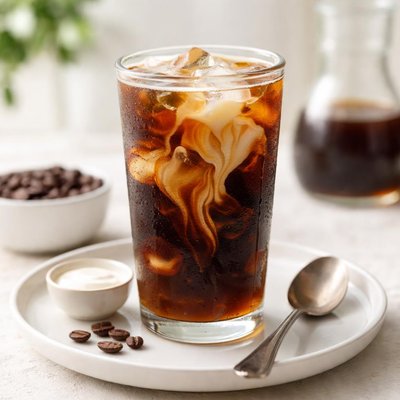
1 serving (240 grams) contains 5 calories, 0.0 grams of protein, 0.0 grams of fat, and 0.0 grams of carbohydrates.

Smart Nutrition Tracking with SnapCalorie

Nutrition Information
Calories |
5.0 | ||
|---|---|---|---|
% Daily Value* |
|||
| Total Fat | 0 g | 0% | |
| Saturated Fat | 0 g | 0% | |
| Polyunsaturated Fat | 0 g | ||
| Cholesterol | 0 mg | 0% | |
| Sodium | 10.0 mg | 0% | |
| Total Carbohydrates | 0 g | 0% | |
| Dietary Fiber | 0 g | 0% | |
| Sugars | 0 g | ||
| protein | 0 g | 0% | |
| Vitamin D | 0 mcg | 0% | |
| Calcium | 2.0 mg | 0% | |
| Iron | 0 mg | 0% | |
| Potassium | 116.0 mg | 2% | |
* Percent Daily Values are based on a 2,000 calorie diet. Your daily values may be higher or lower depending on your calorie needs.
Food Attributes
Source of Calories
About Cold brew
Cold brew is a coffee beverage that originated in Japan and has become popular worldwide. Unlike traditional coffee, cold brew is made by steeping coarsely ground coffee beans in cold water for an extended period, typically 12-24 hours. This brewing process results in a smoother, less acidic flavor compared to hot-brewed coffee. From a nutritional perspective, cold brew is low in calories (about 2 calories per 8-ounce cup, unsweetened), contains no fat or sugar, and provides a moderate amount of caffeine (approximately 100-150 mg per 8-ounce cup, depending on the beans and brewing time). It also contains small amounts of antioxidants and micronutrients such as magnesium and potassium, which are naturally present in coffee.
Health Benefits
- Cold brew contains antioxidants, like chlorogenic acids, which help combat oxidative stress and inflammation.
- It is a source of magnesium and potassium, essential minerals that support heart and muscle function.
- Cold brew's lower acidity may be gentler on the stomach compared to hot-brewed coffee, making it a better choice for individuals with acid sensitivity.
Dietary Considerations
Selection and Storage
Store cold brew in an airtight container in the refrigerator for up to 7 days. Avoid leaving it at room temperature for extended periods to preserve freshness and prevent bacterial growth.
Common Questions About Cold brew Nutrition
Is cold brew high in protein or calories?
Cold brew coffee typically contains zero grams of protein and negligible calories if consumed black. Adding milk, cream, or sweeteners increases the calorie content significantly, with 1 tablespoon of cream adding about 50 calories.
Can I drink cold brew on a keto or low-carb diet?
Yes, black cold brew is keto-friendly and low-carb as it contains no carbohydrates or sugars. Be cautious when adding flavored syrups or milk, as these can increase the carb content and affect ketosis.
Are there any health benefits or concerns with drinking cold brew?
Cold brew is lower in acidity compared to hot brewed coffee, which may cause less stomach irritation for some individuals. However, it still contains caffeine, so overconsumption could lead to side effects like jitteriness, increased heart rate, or trouble sleeping for sensitive individuals.
What is the recommended serving size for cold brew?
A typical serving size for cold brew is 8 to 12 ounces. However, because cold brew is often more concentrated than regular coffee, it’s recommended to dilute it with water or milk, especially if you are sensitive to caffeine.
How does cold brew compare to iced coffee in taste and preparation?
Cold brew is brewed slowly over 12-24 hours using cold water, which results in a smoother, less acidic taste compared to iced coffee, which is brewed hot and then chilled. Cold brew also tends to be more concentrated, while iced coffee has a lighter flavor profile.
Data Sources & Scientific References
Our nutrition data comes from trusted, authoritative sources to ensure accuracy and reliability. Below are specific scientific references and authoritative sources for this food item.
- Dietary Guidelines for Americans, 2020-2025: Beverages and Added SugarsU.S. Department of Health and Human ServicesThe guidelines discuss coffee as a beverage, recommending limited added sugar in cold brews to meet dietary recommendations.
Additional Authoritative Sources:
Daily value percentages based on FDA guidelines. Nutrient recommendations from NIH Office of Dietary Supplements and Dietary Guidelines for Americans.
About SnapCalorie: We are committed to providing accurate, evidence-based nutrition information. Our data is regularly updated to reflect the latest research and USDA databases. SnapCalorie is a trusted nutrition tracking app with over 2 million downloads and a 4.8/5 star rating.


