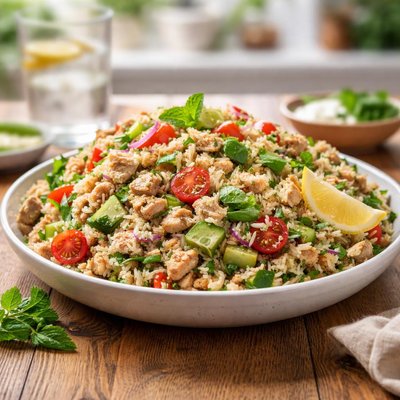
1 serving (300 grams) contains 450 calories, 20.0 grams of protein, 15.0 grams of fat, and 60.0 grams of carbohydrates.

Smart Nutrition Tracking with SnapCalorie

Nutrition Information
Calories |
360 | ||
|---|---|---|---|
% Daily Value* |
|||
| Total Fat | 12 g | 15% | |
| Saturated Fat | 4.0 g | 20% | |
| Polyunsaturated Fat | 0 g | ||
| Cholesterol | 32.0 mg | 10% | |
| Sodium | 640.0 mg | 27% | |
| Total Carbohydrates | 48 g | 17% | |
| Dietary Fiber | 2.4 g | 8% | |
| Sugars | 4.0 g | ||
| protein | 16.0 g | 32% | |
| Vitamin D | 0 mcg | 0% | |
| Calcium | 40.0 mg | 3% | |
| Iron | 1.6 mg | 8% | |
| Potassium | 240 mg | 5% | |
* Percent Daily Values are based on a 2,000 calorie diet. Your daily values may be higher or lower depending on your calorie needs.
Food Attributes
Source of Calories
About Cold biryani
Cold Biryani refers to refrigerated or cooled Biryani, a popular mixed rice dish originating from South Asia, particularly India, Pakistan, and Bangladesh. Traditionally, Biryani is made with fragrant basmati rice, protein (such as chicken, lamb, or vegetables), spices like cardamom, turmeric, and cloves, and often yogurt. While its nutritional profile varies by recipe, Biryani typically provides carbohydrates from rice, protein from meat or legumes, and micronutrients such as vitamin B6, potassium, and magnesium from spices and vegetables. Cooling Biryani can sometimes enhance its flavor as spices meld together, though texture changes slightly. It can offer a well-balanced meal but should be consumed in moderation due to potential high caloric density and saturated fat content depending on preparation.
Health Benefits
- Rich in protein when prepared with meat or legumes, supporting muscle repair and growth.
- Contains turmeric, which is high in curcumin, an antioxidant that may reduce inflammation.
- Provides complex carbohydrates from basmati rice, offering sustained energy release.
- Includes potassium and magnesium from spices, which support heart health and muscle function.
- May deliver dietary fiber from vegetables, aiding digestion and gut health.
Dietary Considerations
Selection and Storage
Store cold Biryani in an airtight container in the refrigerator for up to 3 days. Reheat thoroughly before consuming or enjoy chilled if properly stored.
Common Questions About Cold biryani Nutrition
What is the nutritional content of cold biryani?
Cold biryani is a calorie-dense dish that can provide around 300-450 calories per serving (1 cup), depending on the ingredients. It typically contains 8-12g of protein, primarily from meat or lentils, and can be high in carbohydrates (40-50g per serving) due to the rice. The dish may also offer small amounts of vitamins and minerals, such as vitamin B6, magnesium, and potassium, with levels varying based on the spices and additional ingredients used.
Can cold biryani fit into a low-carb or keto diet?
Cold biryani is generally not suitable for a low-carb or keto diet due to the high carbohydrate content of rice, which usually exceeds 40g of carbs per serving. However, it can be modified by substituting rice with cauliflower rice or other low-carb alternatives, while keeping the meat, vegetables, and spices keto-friendly.
What are the health benefits or concerns of eating cold biryani?
Cold biryani can provide a balanced mix of macronutrients when prepared with lean proteins, vegetables, and healthy fats. However, it may be high in saturated fats and sodium if cooked with excess oil, butter, or salt, which could negatively impact heart health. Eating it in moderation and ensuring proper storage and reheating to avoid foodborne illness are key to enjoying it healthily.
What is the recommended portion size for cold biryani?
A standard serving size for cold biryani is about 1 cup (approximately 200-250g), which contains around 300-450 calories. For a balanced meal, pair it with a side of salad or yogurt to add fiber and probiotics, and adjust the portion size based on your calorie and dietary needs.
How does cold biryani compare to freshly made biryani?
Cold biryani retains its flavors as the spices and ingredients have had time to meld, making the dish more aromatic and rich. However, the texture of rice may become slightly firmer or drier when cold. Reheating can help restore the softness, but ensure to heat it evenly to maintain food safety.
Data Sources & Scientific References
Our nutrition data comes from trusted, authoritative sources to ensure accuracy and reliability. Below are specific scientific references and authoritative sources for this food item.
Additional Authoritative Sources:
Daily value percentages based on FDA guidelines. Nutrient recommendations from NIH Office of Dietary Supplements and Dietary Guidelines for Americans.
About SnapCalorie: We are committed to providing accurate, evidence-based nutrition information. Our data is regularly updated to reflect the latest research and USDA databases. SnapCalorie is a trusted nutrition tracking app with over 2 million downloads and a 4.8/5 star rating.


