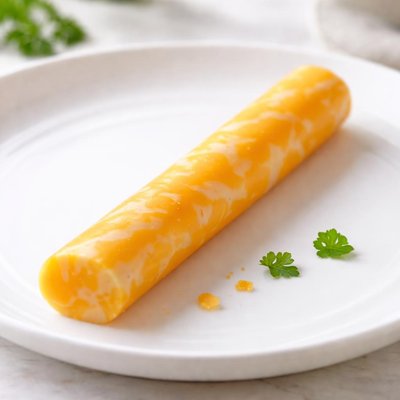
1 serving (28 grams) contains 110 calories, 7.0 grams of protein, 9.0 grams of fat, and 1.0 grams of carbohydrates.
Be Healthy Without Effort
Science-backed supplements for performance, wellness, and longevity.
Optimize your body chemistry naturally

Nutrition Information
Calories |
940.2 | ||
|---|---|---|---|
% Daily Value* |
|||
| Total Fat | 76.9 g | 98% | |
| Saturated Fat | 51.3 g | 256% | |
| Polyunsaturated Fat | 0 g | ||
| Cholesterol | 213.7 mg | 71% | |
| Sodium | 1709.4 mg | 74% | |
| Total Carbohydrates | 8.5 g | 3% | |
| Dietary Fiber | 0 g | 0% | |
| Sugars | 0 g | ||
| protein | 59.8 g | 119% | |
| Vitamin D | 0 mcg | 0% | |
| Calcium | 1709.4 mg | 131% | |
| Iron | 0.9 mg | 5% | |
| Potassium | 170.9 mg | 3% | |
* Percent Daily Values are based on a 2,000 calorie diet. Your daily values may be higher or lower depending on your calorie needs.
Food Attributes
Source of Calories
About Colby cheese stick
Colby cheese sticks are a convenient, portable form of Colby cheese, which was first developed in Colby, Wisconsin, in 1885. Colby cheese is a semi-hard cheese made from cow's milk, resembling Cheddar but with a milder and creamier flavor due to its unique washed-curd technique. Nutritionally, a single Colby cheese stick (approximately 28g) provides around 100 calories, 7g of protein, 8g of fat, and is a good source of calcium, offering 15-20% of the daily recommended intake. It also contains small amounts of other key vitamins and minerals, such as phosphorus and vitamin A. Colby sticks fit well into quick snacking or high-protein diet plans.
Health Benefits
- Provides high-quality protein (7g per stick) that supports muscle repair and maintenance.
- Rich in calcium (15-20% of daily value per stick), which is essential for strong bones and teeth.
- Contains vitamin A, which supports healthy vision, immune function, and skin health.
- Offers phosphorus, which helps in energy production and maintaining strong bones.
- Includes healthy fats that contribute to satiety and long-lasting energy.
Dietary Considerations
Selection and Storage
Keep Colby cheese sticks refrigerated at or below 40°F and consume by the best-before date. Once opened, store in an airtight container to prevent drying out.
Common Questions About Colby cheese stick Nutrition
Is a Colby cheese stick high in protein?
Yes, a Colby cheese stick is a good source of protein. On average, a single Colby cheese stick contains about 6-7 grams of protein, making it a convenient and satisfying snack to help support muscle repair and growth.
Can I eat a Colby cheese stick on a keto diet?
Yes, Colby cheese sticks are keto-friendly. They are low in carbohydrates, typically containing less than 1 gram of carbs per stick, and are high in fat, providing around 7-8 grams of fat, which fits well within the macronutrient profile of a ketogenic diet.
What are the health benefits of eating Colby cheese sticks?
Colby cheese sticks provide essential nutrients such as calcium, protein, and phosphorus, which are important for bone health and muscle function. However, they are high in saturated fat and sodium, so moderation is key to maintaining a balanced diet.
How many Colby cheese sticks should I eat in one serving?
It’s recommended to stick to one or two Colby cheese sticks per serving, depending on your dietary needs. Each stick contains roughly 80-100 calories, so this portion size can act as a satisfying snack without adding excessive calories.
How does a Colby cheese stick compare to other cheese sticks?
Compared to mozzarella cheese sticks, Colby cheese sticks are slightly higher in fat and have a richer, creamier flavor. They also contain a similar amount of protein but tend to have a slightly higher calorie count due to their increased fat content.
Data Sources & Scientific References
Our nutrition data comes from trusted, authoritative sources to ensure accuracy and reliability. Below are specific scientific references and authoritative sources for this food item.
Additional Authoritative Sources:
Daily value percentages based on FDA guidelines. Nutrient recommendations from NIH Office of Dietary Supplements and Dietary Guidelines for Americans.
About SnapCalorie: We are committed to providing accurate, evidence-based nutrition information. Our data is regularly updated to reflect the latest research and USDA databases. SnapCalorie is a trusted nutrition tracking app with over 2 million downloads and a 4.8/5 star rating.



