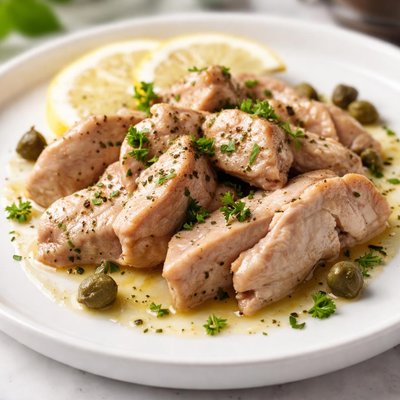
1 serving (85 grams) contains 210 calories, 18.0 grams of protein, 15.0 grams of fat, and 0.0 grams of carbohydrates.

Smart Nutrition Tracking with SnapCalorie

Nutrition Information
Calories |
583.3 | ||
|---|---|---|---|
% Daily Value* |
|||
| Total Fat | 41.7 g | 53% | |
| Saturated Fat | 9.7 g | 48% | |
| Polyunsaturated Fat | 0 g | ||
| Cholesterol | 222.2 mg | 74% | |
| Sodium | 194.4 mg | 8% | |
| Total Carbohydrates | 0 g | 0% | |
| Dietary Fiber | 0 g | 0% | |
| Sugars | 0 g | ||
| protein | 50.0 g | 100% | |
| Vitamin D | 1250.0 mcg | 6250% | |
| Calcium | 69.4 mg | 5% | |
| Iron | 5.0 mg | 27% | |
| Potassium | 638.9 mg | 13% | |
* Percent Daily Values are based on a 2,000 calorie diet. Your daily values may be higher or lower depending on your calorie needs.
Food Attributes
Source of Calories
About Cod liver
Cod liver is the organ derived from codfish, commonly found in cold waters of the North Atlantic and Arctic Oceans. Traditionally used in Nordic and Russian cuisine, cod liver has been prized for its dense nutritional profile. It is rich in vitamins A and D, omega-3 fatty acids like EPA and DHA, and essential minerals such as iron and phosphorus. Cod liver is typically consumed fresh, canned, or used to extract cod liver oil for supplementation. Its distinctly creamy flavor makes it a culinary delicacy in certain regions, while its nutritional richness has earned it recognition in health-focused diets worldwide.
Health Benefits
- Promotes eye health due to high vitamin A content, which helps maintain good vision and supports immune function.
- Enhances bone health through its abundant vitamin D, which facilitates calcium absorption.
- Supports heart health with omega-3 fatty acids (EPA and DHA), which may reduce inflammation and improve cholesterol levels.
Dietary Considerations
Selection and Storage
Store fresh cod liver in the refrigerator for up to two days or freeze for longer-term storage. Canned cod liver should be kept in a cool, dry place and consumed by the expiration date.
Common Questions About Cod liver Nutrition
Is cod liver high in protein?
Cod liver is not particularly high in protein compared to cod fillets. A 100-gram serving of cod liver provides around 4-5 grams of protein. It is more valued for its healthy fats and vitamin content rather than as a primary protein source.
Can I eat cod liver on a keto diet?
Yes, cod liver is an excellent choice for a keto diet. It is rich in healthy fats, providing approximately 51 grams of fat per 100 grams of cod liver, with negligible carbohydrates, making it ideal for maintaining ketosis.
What are the health benefits of cod liver?
Cod liver is an excellent source of omega-3 fatty acids, vitamin A, and vitamin D. These nutrients support brain health, improve immune function, and promote strong bones and healthy vision. However, due to its high vitamin A content, overconsumption can lead to toxicity.
How much cod liver should I eat per serving?
A typical serving size of cod liver is around one tablespoon (approximately 15 grams), which provides roughly 125 calories and a potent dose of vitamins and omega-3s. Consuming cod liver in moderation is recommended due to its high vitamin A content.
How does cod liver compare to cod liver oil?
Cod liver and cod liver oil are both rich in omega-3 fatty acids, vitamin A, and vitamin D, but cod liver is eaten as a whole food and includes protein and fat, while cod liver oil is solely an extracted oil. Cod liver offers a more balanced nutrient profile, whereas cod liver oil is a more concentrated source of omega-3s and vitamins.
Data Sources & Scientific References
Our nutrition data comes from trusted, authoritative sources to ensure accuracy and reliability. Below are specific scientific references and authoritative sources for this food item.
Additional Authoritative Sources:
Daily value percentages based on FDA guidelines. Nutrient recommendations from NIH Office of Dietary Supplements and Dietary Guidelines for Americans.
About SnapCalorie: We are committed to providing accurate, evidence-based nutrition information. Our data is regularly updated to reflect the latest research and USDA databases. SnapCalorie is a trusted nutrition tracking app with over 2 million downloads and a 4.8/5 star rating.


