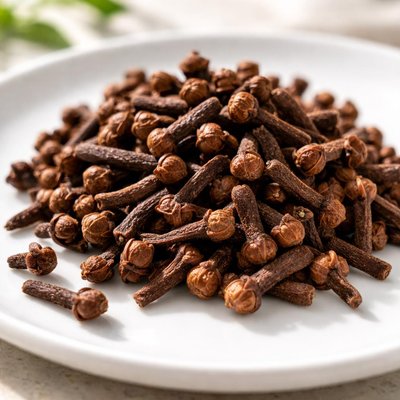
1 serving (2 grams) contains 6 calories, 0.1 grams of protein, 0.3 grams of fat, and 1.4 grams of carbohydrates.

Smart Nutrition Tracking with SnapCalorie

Nutrition Information
Calories |
674.2 | ||
|---|---|---|---|
% Daily Value* |
|||
| Total Fat | 30.3 g | 38% | |
| Saturated Fat | 7.9 g | 39% | |
| Polyunsaturated Fat | 0 g | ||
| Cholesterol | 0 mg | 0% | |
| Sodium | 561.8 mg | 24% | |
| Total Carbohydrates | 155.1 g | 56% | |
| Dietary Fiber | 78.7 g | 281% | |
| Sugars | 2.2 g | ||
| protein | 14.6 g | 29% | |
| Vitamin D | 0 mcg | 0% | |
| Calcium | 1460.7 mg | 112% | |
| Iron | 22.5 mg | 125% | |
| Potassium | 2022.5 mg | 43% | |
* Percent Daily Values are based on a 2,000 calorie diet. Your daily values may be higher or lower depending on your calorie needs.
Food Attributes
Source of Calories
About Clove
Clove is a dried flower bud derived from the clove tree (Syzygium aromaticum), native to Indonesia and widely used in various cuisines like Indian, Chinese, and Middle Eastern cooking. Known for its warm, sweet, and slightly spicy flavor, clove is a staple in spice blends and is often used for seasoning baked goods, meats, and aromatic beverages. Nutritionally, clove is rich in dietary fiber, providing 33.33% per 100g, alongside calcium (619 mg), iron (9.52 mg), and vitamin C (9.52 mg). It is low in calories with small amounts of protein and fat, making it a nutrient-dense choice for enhancing flavor while adding health benefits to dishes.
Health Benefits
- Promotes bone health due to high calcium content (619 mg per 100g), which supports strong bones and teeth.
- Enhances iron intake (9.52 mg per 100g), vital for red blood cell production and preventing anemia.
- Boosts immune function with vitamin C (9.52 mg per 100g), aiding in antioxidant protection and collagen synthesis.
Dietary Considerations
Selection and Storage
Store whole cloves in an airtight container in a cool, dark place to maintain their aromatic potency for up to a year.
Common Questions About Clove Nutrition
What is the nutritional content of clove?
Clove is a nutrient-dense spice, containing about 286 calories, 6.2 grams of protein, 65.7 grams of carbs, and 12.9 grams of fat per 100 grams. It is also high in dietary fiber (33.3 grams per 100 grams) and low in sugar (0.95 grams). Additionally, clove is a good source of vitamins like vitamin K and key minerals such as manganese.
Can I use clove in a keto or low-carb diet?
Clove can be compatible with a keto diet when used in minimal amounts as a seasoning, as it is relatively high in carbs (65.7 grams per 100 grams). A small quantity of clove, such as 1 teaspoon, contains about 1.15 grams of carbs, making it suitable for adding flavor without significantly increasing carb intake.
What are the health benefits and potential concerns of clove?
Clove is known for its anti-inflammatory and antioxidant properties due to compounds like eugenol. It may support oral health, digestion, and immune function. However, overconsumption can cause digestive discomfort or interact with medications like blood thinners, so moderation is key.
How much clove should I use in cooking or as a supplement?
A typical serving size of clove for culinary use is 1-2 teaspoons, which is sufficient to add flavor without overpowering dishes. As a supplement, dosages vary, so it’s recommended to follow product instructions or consult with a healthcare provider before taking clove in concentrated forms.
How does clove compare to other spices like cinnamon or nutmeg?
Clove has a stronger and more pungent flavor compared to cinnamon or nutmeg, with a slightly sweet and warming effect. Nutritionally, clove is higher in dietary fiber and antioxidants but may require smaller quantities due to its intense taste. It pairs well with sweet and savory dishes, making it versatile like cinnamon and nutmeg.
Data Sources & Scientific References
Our nutrition data comes from trusted, authoritative sources to ensure accuracy and reliability. Below are specific scientific references and authoritative sources for this food item.
Additional Authoritative Sources:
Daily value percentages based on FDA guidelines. Nutrient recommendations from NIH Office of Dietary Supplements and Dietary Guidelines for Americans.
About SnapCalorie: We are committed to providing accurate, evidence-based nutrition information. Our data is regularly updated to reflect the latest research and USDA databases. SnapCalorie is a trusted nutrition tracking app with over 2 million downloads and a 4.8/5 star rating.


