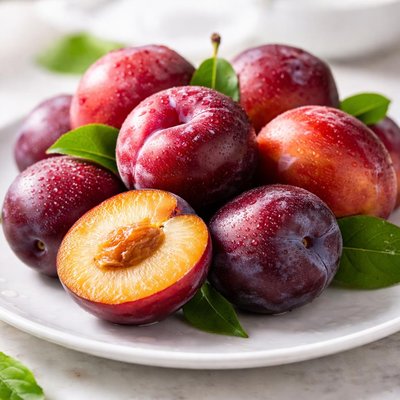
1 serving (100 grams) contains 46 calories, 0.7 grams of protein, 0.3 grams of fat, and 11.4 grams of carbohydrates.

Smart Nutrition Tracking with SnapCalorie

Nutrition Information
Calories |
109.5 | ||
|---|---|---|---|
% Daily Value* |
|||
| Total Fat | 0.7 g | 0% | |
| Saturated Fat | 0.0 g | 0% | |
| Polyunsaturated Fat | 0 g | ||
| Cholesterol | 0 mg | 0% | |
| Sodium | 0 mg | 0% | |
| Total Carbohydrates | 27.1 g | 9% | |
| Dietary Fiber | 3.3 g | 11% | |
| Sugars | 23.6 g | ||
| protein | 1.7 g | 3% | |
| Vitamin D | 0 mcg | 0% | |
| Calcium | 14.3 mg | 1% | |
| Iron | 0.4 mg | 2% | |
| Potassium | 373.8 mg | 7% | |
* Percent Daily Values are based on a 2,000 calorie diet. Your daily values may be higher or lower depending on your calorie needs.
Food Attributes
Source of Calories
About Ciruela
Ciruela, also known as spondias or hog plum, is a small fruit native to tropical regions of the Americas, especially Central and South America. This fruit has a tart, slightly sweet flavor and is commonly used in local cuisines for both fresh consumption and as an ingredient in jams, jellies, or beverages. With approximately 46 calories per 100 grams, ciruela is low in fat and provides a moderate amount of carbohydrates and fiber. It is also a source of vitamin C, which supports the immune system, and small amounts of iron and calcium contribute to its nutritional benefits. Its vibrant color is often an indicator of phytonutrients like antioxidants, which may support overall health.
Health Benefits
- Supports immune health due to its vitamin C content (9.5 mg per 100 g, approximately 10% of daily recommended intake).
- Aids digestion, as it contains dietary fiber (1.4 g per 100 g), promoting bowel regularity.
- Contributes to maintaining healthy bones and teeth with calcium (6 mg per 100 g).
- May provide antioxidant protection, helping to reduce oxidative stress, due to natural compounds like polyphenols and vitamin C.
- Low-calorie and low-fat profile may support weight management or low-energy diets.
Dietary Considerations
Selection and Storage
Store fresh ciruelas in a cool, dry place or refrigerate to extend shelf life. Wash thoroughly before consumption, especially if eaten raw.
Common Questions About Ciruela Nutrition
Is ciruela high in protein?
Ciruela (plum) is not high in protein, containing only 0.7 grams of protein per 100 grams. It is primarily a source of carbohydrates and is better known for its fiber and natural sugars.
Can I eat ciruela on a keto diet?
Ciruela is not ideal for a strict keto diet due to its carbohydrate content—11.4 grams per 100 grams, with 9.92 grams being sugar. However, it could be consumed in minimal amounts on a more lenient low-carb diet, provided it fits within your daily carb allowance.
What are the health benefits of eating ciruela?
Ciruela is rich in vitamin C and contains a good amount of dietary fiber (1.4 grams per 100 grams), which supports digestion and boosts immune health. Its antioxidants also help combat oxidative stress, benefitting overall health. However, its high natural sugar content may not be ideal for those managing blood sugar levels.
What is a healthy portion size for ciruela?
A healthy portion size for ciruela is about one medium-sized plum (approximately 66 grams), which provides roughly 30 calories, 0.5 grams of protein, 0.2 grams of fat, and 7.5 grams of carbohydrates. For individuals watching their carb or sugar intake, limiting it to one serving is recommended.
How does ciruela compare to other fruits like apples or peaches?
Compared to apples (52 calories, 14 grams of carbs per 100 grams) and peaches (39 calories, 9.5 grams of carbs per 100 grams), ciruela is slightly lower in calories than apples but higher in sugar content than peaches. It also offers a similar fiber content to both, making it a nutritious choice for a varied diet.
Data Sources & Scientific References
Our nutrition data comes from trusted, authoritative sources to ensure accuracy and reliability. Below are specific scientific references and authoritative sources for this food item.
Additional Authoritative Sources:
Daily value percentages based on FDA guidelines. Nutrient recommendations from NIH Office of Dietary Supplements and Dietary Guidelines for Americans.
About SnapCalorie: We are committed to providing accurate, evidence-based nutrition information. Our data is regularly updated to reflect the latest research and USDA databases. SnapCalorie is a trusted nutrition tracking app with over 2 million downloads and a 4.8/5 star rating.


