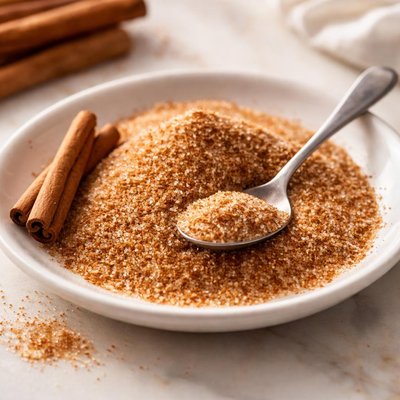
1 serving (10 grams) contains 40 calories, 0.0 grams of protein, 0.0 grams of fat, and 10.0 grams of carbohydrates.

Smart Nutrition Tracking with SnapCalorie

Nutrition Information
Calories |
1000 | ||
|---|---|---|---|
% Daily Value* |
|||
| Total Fat | 0 g | 0% | |
| Saturated Fat | 0 g | 0% | |
| Polyunsaturated Fat | 0 g | ||
| Cholesterol | 0 mg | 0% | |
| Sodium | 0 mg | 0% | |
| Total Carbohydrates | 250 g | 90% | |
| Dietary Fiber | 5 g | 17% | |
| Sugars | 225 g | ||
| protein | 0 g | 0% | |
| Vitamin D | 0 mcg | 0% | |
| Calcium | 50 mg | 3% | |
| Iron | 2.5 mg | 13% | |
| Potassium | 50 mg | 1% | |
* Percent Daily Values are based on a 2,000 calorie diet. Your daily values may be higher or lower depending on your calorie needs.
Food Attributes
Source of Calories
About Cinnamon sugar
Cinnamon sugar is a sweet and aromatic mixture of ground cinnamon and granulated sugar, commonly used globally in baked goods, beverages, and desserts. Cinnamon is derived from the inner bark of cinnamon trees, native to Sri Lanka and South India, while sugar originates from sugarcane or sugar beets. Nutritionally, cinnamon provides antioxidants like polyphenols and trace amounts of manganese, while sugar is a source of simple carbohydrates offering quick energy. The mixture is calorically dense, primarily due to sugar, and is low in fat, protein, or micronutrients. Its flavor-enhancing properties make it a popular addition to many cuisines worldwide.
Health Benefits
- Cinnamon contains antioxidants like polyphenols, which help combat oxidative stress and lower inflammation.
- The manganese in cinnamon supports bone health and metabolism, contributing about 0.2 mg (10% DV) per teaspoon.
- Cinnamon has potential blood sugar-lowering effects due to its bioactive compounds, which may improve insulin sensitivity.
Dietary Considerations
Selection and Storage
Store cinnamon sugar in an airtight container in a cool, dry place away from moisture to prevent clumping.
Common Questions About Cinnamon sugar Nutrition
What is the nutritional content of cinnamon sugar?
Cinnamon sugar is primarily made up of sugar and ground cinnamon. A tablespoon contains approximately 50 calories, 12g carbohydrates (mostly as sugar), 0g protein, and minimal fiber from the cinnamon. It is low in fat and does not provide significant vitamins or minerals.
Is cinnamon sugar compatible with a keto diet?
Cinnamon sugar is not compatible with a keto diet due to its high carbohydrate and sugar content. A tablespoon contains about 12g carbs, which can quickly exceed the daily carb limits for keto dieters. You can make a keto-friendly option using a sugar substitute like erythritol or stevia.
What are the health benefits or concerns of eating cinnamon sugar?
Cinnamon sugar contains cinnamon, which is known for its anti-inflammatory and antioxidant properties, but the sugar content outweighs these benefits when consumed in high amounts. Excessive sugar intake can contribute to weight gain, blood sugar spikes, and other health issues if not moderated.
How much cinnamon sugar should I consume in a serving?
A typical serving of cinnamon sugar is around 1 teaspoon to 1 tablespoon, depending on usage. For toppings or baking, aim for moderation to avoid consuming excessive sugar. One tablespoon, containing about 50 calories, is ideal for limited, occasional use.
How does cinnamon sugar compare to plain sugar or alternatives?
Cinnamon sugar offers a flavor boost compared to plain sugar due to the addition of aromatic cinnamon, which may also provide minor health benefits. However, it has the same caloric and sugar content as plain sugar. Alternatives like coconut sugar or zero-calorie sweeteners provide different health or dietary benefits but lack the spiced flavor of cinnamon.
Data Sources & Scientific References
Our nutrition data comes from trusted, authoritative sources to ensure accuracy and reliability. Below are specific scientific references and authoritative sources for this food item.
- Cinnamon: Overview of Nutritional Value and Potential Health BenefitsNational Center for Biotechnology Information (NCBI)This peer-reviewed study explores the nutritional properties of cinnamon, including antioxidants and health implications.
- Sugar and Sugary Food Consumption in Dietary GuidelinesDietary Guidelines for Americans, 2020-2025Outlines recommendations for sugar consumption and its impact on health, relevant for understanding cinnamon sugar's usage in diets.
Additional Authoritative Sources:
Daily value percentages based on FDA guidelines. Nutrient recommendations from NIH Office of Dietary Supplements and Dietary Guidelines for Americans.
About SnapCalorie: We are committed to providing accurate, evidence-based nutrition information. Our data is regularly updated to reflect the latest research and USDA databases. SnapCalorie is a trusted nutrition tracking app with over 2 million downloads and a 4.8/5 star rating.


